
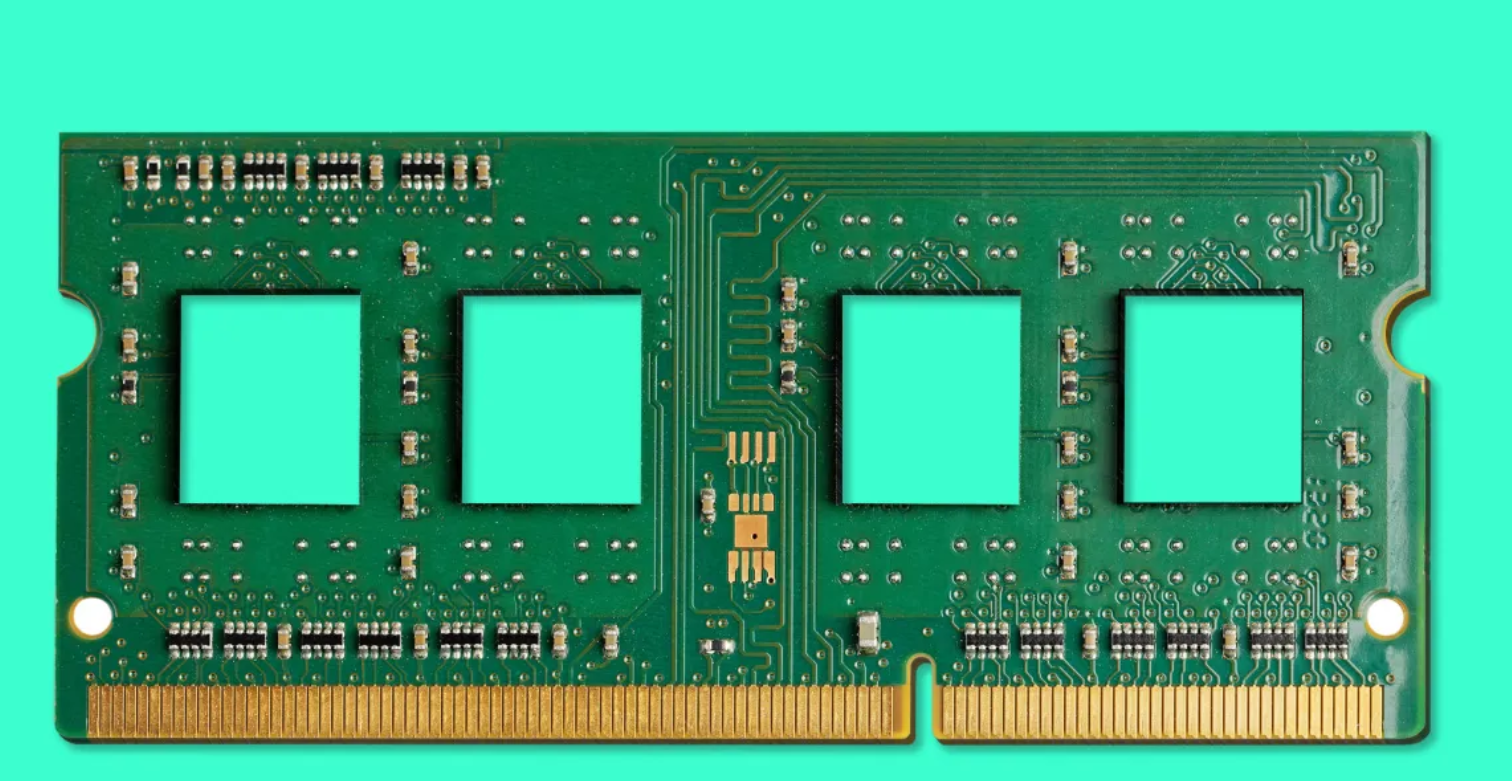

Recent trends show DDR5 RAM prices declining in multiple regions, offering relief to consumers after months of soaring costs. Analysts, however, warn that this drop may be temporary and should be interpreted cautiously.
Price Declines Observed in Key Markets
Retail memory prices are falling in Europe, the United States, and China, according to industry reports. In Germany, DDR5 modules dropped approximately 7% in March, reflecting similar trends across European markets.
In the United States, a 32GB DDR5 kit has fallen nearly 20% in price. Meanwhile, China has seen even sharper reductions. 16GB modules have declined by 25% to 30% since their peak in January and February. Larger 32GB kits in China have fallen at least 15%, with some drops occurring in a single weekend, equivalent to about $15.
Shenzhen’s electronics trading hubs have also reported significant spot price reductions, with some 32GB modules dropping by one-third.
Weakening Demand Drives Price Pressure
The primary reason for falling prices is a slowdown in consumer demand. High retail costs have caused many buyers to postpone purchases, leading to a “softening” effect in the market. This shift has created downward pressure on retail prices, even as overall memory costs remain relatively high.
Industry Factors Affecting RAM Demand
Broader developments in the tech sector are also influencing pricing trends. Companies are seeking to reduce memory usage in artificial intelligence workloads, including initiatives like Google’s TurboQuant. Additionally, reports indicate that OpenAI has scaled back some planned large-scale RAM acquisitions.
These combined factors are contributing to temporary retail price adjustments.
Uncertain Outlook for Stabilization
While the recent drop offers short-term relief, long-term stabilization remains uncertain. Some projections suggest that DDR5 16GB module prices in China could normalize by the end of 2026. Others anticipate broader market balance might not occur until 2027 or even later.
Memory manufacturers continue to enforce strict pricing discipline. Contract prices remain stable, and server-side memory, such as HBM and DRAM, is still in demand due to long-term supply agreements.
Retail Adjustment, Not Market Transformation
Experts emphasize that this trend primarily reflects retail market corrections rather than fundamental shifts in supply and demand. The price reductions are largely consumer-driven and do not signal long-term market normalization.
Conclusion
Although consumers are benefiting from temporary DDR5 RAM price relief, the overall market remains complex. Prices could fluctuate again as demand recovers, supply stabilizes, or new industry developments emerge. Buyers should consider acting cautiously and monitor trends closely before making large purchases.
Key Takeaways:
- DDR5 RAM prices falling across Europe, US, and China.
- Weakening consumer demand is driving retail price reductions.
- Industry changes in AI workloads impact memory consumption.
- Long-term normalization may not occur until 2027 or later.

