

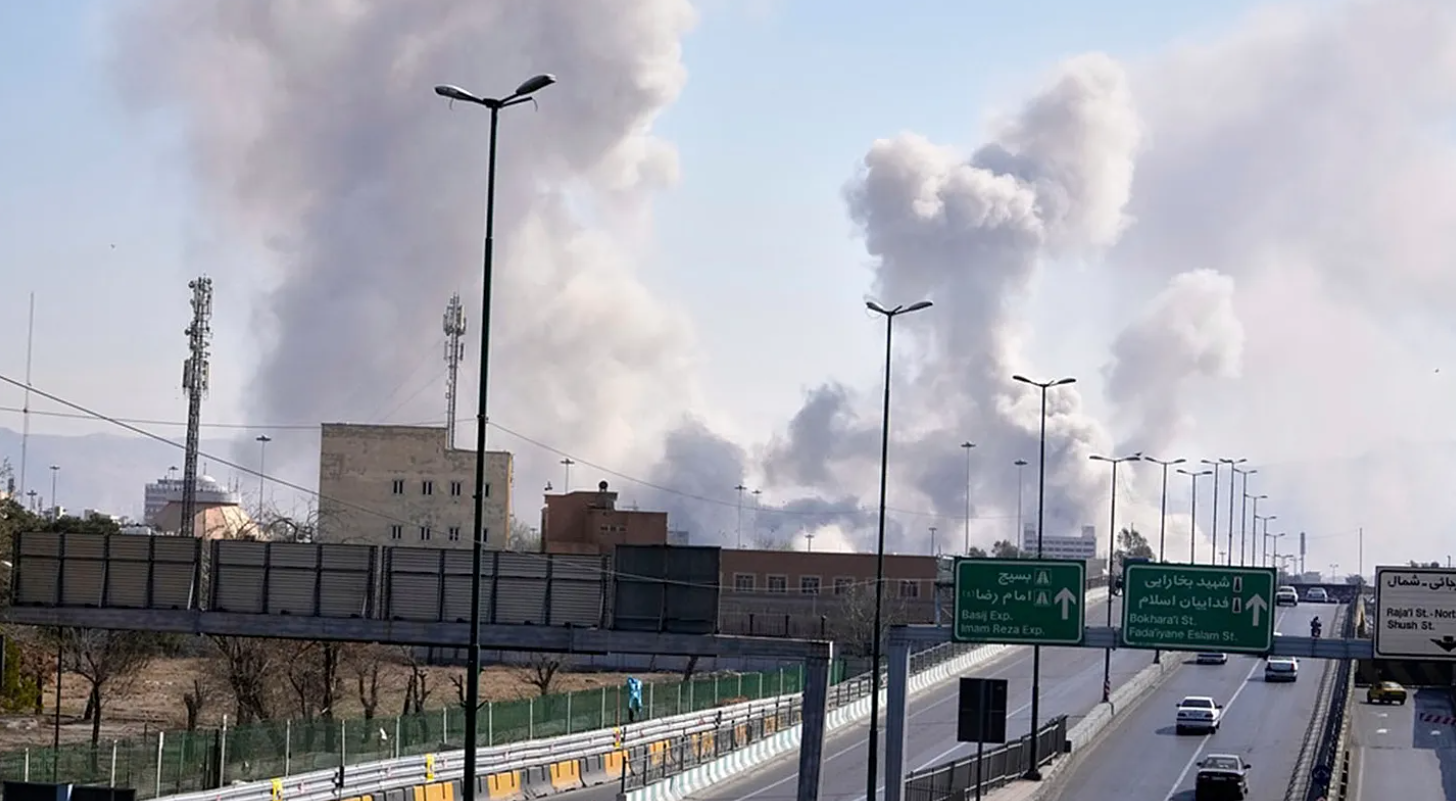

The ongoing conflict involving the United States, Israel, and Iran is sending shockwaves across global markets. Businesses around the world are facing rising costs, supply chain disruptions, and growing uncertainty about key trade routes.
Companies across multiple industries are feeling the impact. Energy prices are rising rapidly. Critical raw materials are becoming harder to secure. Global transport networks through the Middle East are also under pressure.
Economists say the situation could affect industries ranging from food production to automotive manufacturing. If the conflict continues, businesses may face prolonged disruptions and higher operating costs.
Trade Routes and Energy Supplies Under Pressure
The conflict has disrupted several major air and sea transport corridors in the Middle East. One of the most important affected routes is the Strait of Hormuz. The narrow waterway carries roughly one-fifth of the world’s oil supply.
Shipping through the strait has slowed significantly. The disruption followed retaliatory drone strikes by Iran after attacks by the United States and Israel.
Air transit routes across the Gulf region have also been affected. Several airlines have reduced or suspended flights over certain areas because of security risks.
Energy prices have reacted quickly. Global oil benchmarks such as Brent Crude have surged to around $90 per barrel. While prices remain below levels seen during the Russian invasion of Ukraine in 2022, the increase is still putting pressure on companies.
Higher fuel prices affect transportation, manufacturing, and logistics. Businesses must pay more for energy and raw materials. These costs often pass on to consumers.
Young Liu, chairman of electronics manufacturer Foxconn, warned that prolonged disruptions would affect companies worldwide. Foxconn is a key manufacturing partner for major technology companies such as Nvidia.
Analysts say rising fuel costs could also push inflation higher. Policymakers and investors are closely watching developments in the energy market.
Companies Struggle With Rising Costs and Supply Chain Risks
The conflict comes at a time when global businesses were already facing challenges. Many companies have been dealing with supply chain disruptions linked to trade tensions involving Donald Trump and new US tariffs on imports.
Higher fuel prices are also affecting consumers. In the United States, the average price of gasoline rose to $3.32 per gallon this week. The price was about $2.98 only a week earlier.
Corporate leaders say rising energy costs create a ripple effect across industries. Simon Hunt, chief executive of Campari, said higher oil and gas prices eventually impact almost every company.
In Europe, the situation is especially serious for energy-intensive industries. These sectors are still recovering from the continent’s energy crisis following the war in Ukraine.
The IW German Economic Institute warned that oil prices reaching $100 per barrel could significantly affect the German economy. Economists estimate it could reduce Germany’s economic output by billions of euros over the next two years.
Companies are taking steps to reduce risk. Consumer goods group Reckitt Benckiser said it has hedged more than half of its exposure to oil and gas price changes for 2026.
However, not all industries are protected. The organisation Uniden, which represents French energy-intensive sectors, said some companies have already slowed or halted production due to soaring gas prices.
Airlines are also under pressure. European carrier Wizz Air warned that the conflict could reduce its profit for the 2026 fiscal year.
Aluminium, Technology and Global Manufacturing at Risk
The disruption to shipping is affecting critical industrial materials. Supplies of sulphur, aluminium, and helium are under pressure as shipping routes face delays.
Major aluminium producers in the Gulf have already taken emergency steps. Companies such as Aluminium Bahrain declared force majeure because shipments could not move safely through the Strait of Hormuz.
Another major producer, Qatalum, began shutting down parts of its operations due to supply concerns. The Gulf region accounts for about 8 percent of global aluminium production.
Prices for aluminium on the London Metal Exchange have jumped sharply following the disruptions.
Technology supply chains are also vulnerable. South Korean officials warned that helium supplies from the Middle East could be disrupted. Helium is essential for semiconductor manufacturing and has no reliable substitute.
Technology infrastructure has also faced risks. Drone strikes reportedly damaged some data facilities operated by Amazon in the United Arab Emirates and Bahrain.
Financial analysts say a prolonged energy shock could slow global economic growth. Investment banks including Morgan Stanley and Goldman Sachs warned that sustained high oil prices could reduce economic expansion worldwide.
Energy leaders also see the conflict as a reminder of future risks. Markus Krebber, chief executive of RWE, said the crisis highlights how vulnerable global energy systems remain.
Experts say the duration of the conflict will determine how severe the economic impact becomes. If tensions continue for months, companies may face slower growth, rising costs, and weaker profits.
