


GILGIT – The National Disaster Management Authority’s (NDMA) National Emergencies Operation Centre (NEOC) has issued a high-alert warning for Glacial Lake Outburst Floods (GLOFs) across northern Pakistan, including Gilgit-Baltistan, as a dangerous mix of extreme heat, monsoon currents, and a prevailing westerly wave triggers rapid glacier melting.
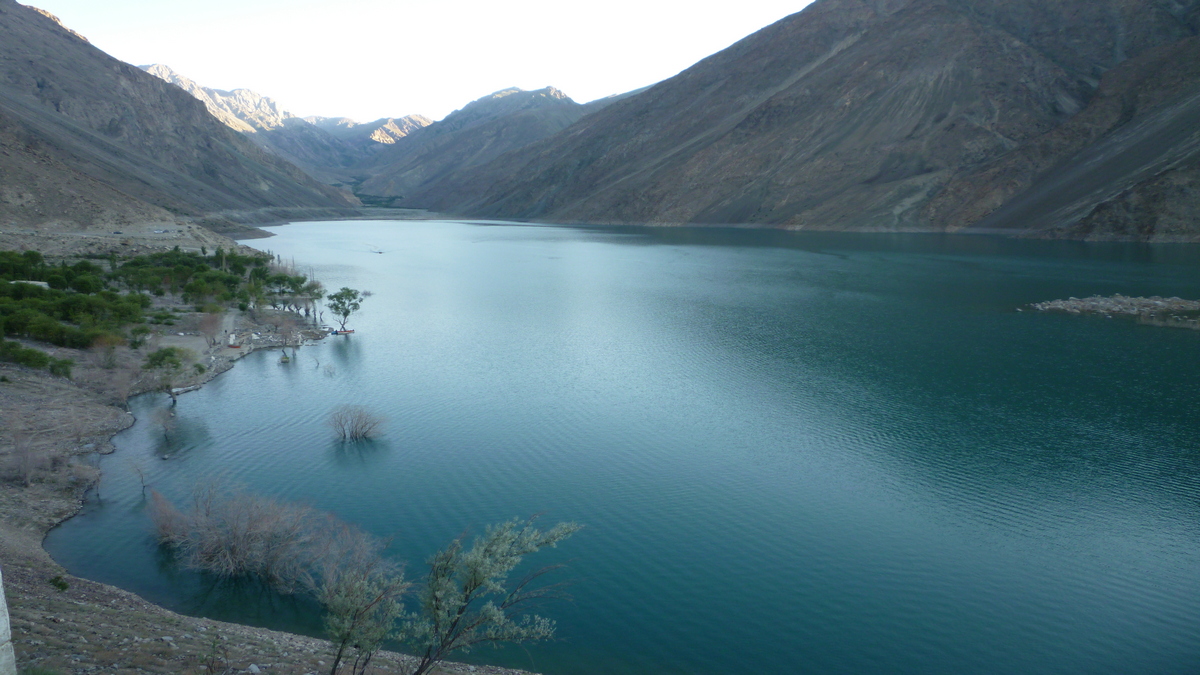
The warning follows a sudden flash flood on Wednesday in the Burundubar stream, which feeds into the iconic Attabad Lake, a major tourist destination. According to Rescue 1122, the surge of water flooded the premises of the Luxus hotel, cutting off access and trapping over 160 tourists and staff. Emergency teams swiftly evacuated them by boat, averting a potential disaster.
The flood also caused widespread damage to trees and nearby land, creating panic among visitors and locals alike. Meanwhile, in Skardu’s Barga nallah, rising temperatures caused floodwaters to breach homes and destroy crops, compounding the region’s growing vulnerability to climate-induced disasters.
Khadim Hussain, Director of the Gilgit-Baltistan Environmental Protection Agency (GBEPA), said glacier-related incidents are occurring with increasing frequency, citing global climate change and local factors such as deforestation, unregulated construction, and a booming tourism industry.
He explained that the shift in snowfall patterns is a key contributor. “Previously, snowfall in November or December would freeze and form glaciers. Now, snowfall in February and March doesn’t have time to solidify before melting under extreme heat, causing sudden floods,” he said.
An environmental expert echoed these concerns, noting that many people in GB live directly in the path of potential floods near glaciers and rivers, often without sufficient warning systems in place. “They have no time to escape,” the expert said.
Beyond regional implications, the expert warned of national consequences: “Gilgit-Baltistan’s glaciers supply 80% of Pakistan’s agricultural water. This is not just a local crisis—it’s a national emergency.”
There is growing concern over the lack of proactive measures by the Gilgit-Baltistan government to raise awareness and implement climate resilience strategies. With heatwaves and glacier melt accelerating, calls are mounting for urgent action to protect vulnerable communities and safeguard Pakistan’s critical water resources.
