

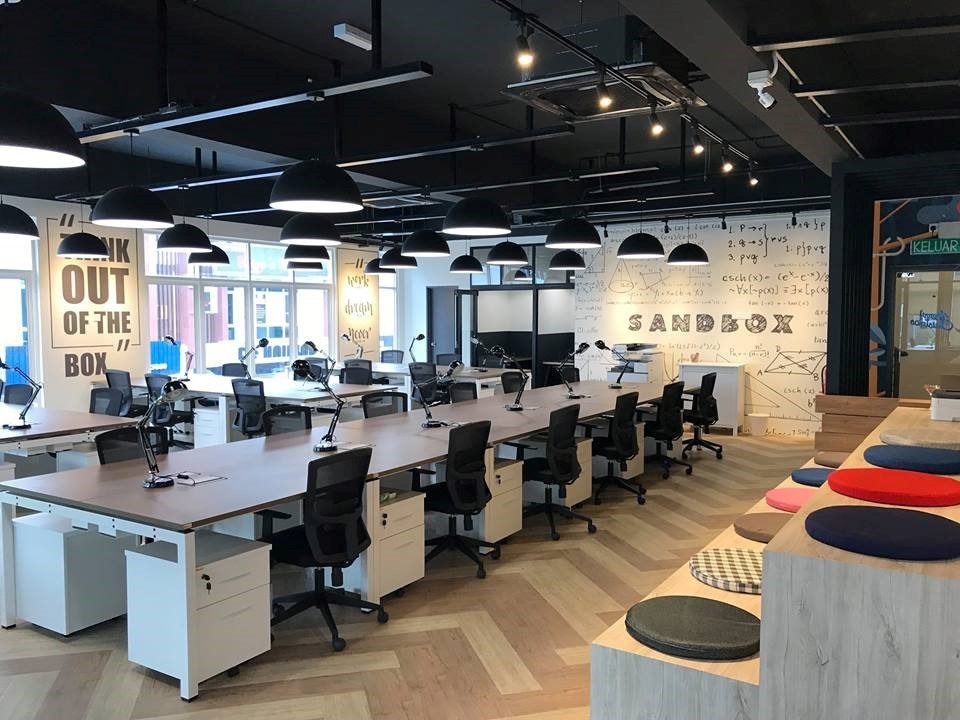

ISLAMABAD: The Ministry of Information Technology and Telecommunication (MoITT) has announced financial support for organizations willing to establish new co-working stations for freelancers and startups in the country. It is part of the ministry’s plans to establish dozens of new co-working spaces across Pakistan during the current financial year. The initiative aims to empower startups and freelancers by providing access to shared infrastructure and professional networking opportunities. Around 50 new co-working stations will be established in this fiscal year.
Applicants can access interest-free loans of up to Rs. 10 million through partner banks. All applications must be submitted electronically via the EPADS portal by November 3, 2025.
Officials confirmed that the ministry achieved its previous target of setting up 40 co-working spaces nationwide last year. The long-term plan envisions expanding the total number of such centers to 250 by February 2027 through a phased implementation strategy.
National Co-Working Spaces Project
The Pakistan Software Export Board (PSEB), which is implementing the project, has invited applications from public and private entities to establish National Co-working Spaces Project (NCSP) centers under the Prime Minister’s initiatives. The program supports IT startups, specialized IT training, and venture capital development to build an enabling environment for innovation.
Public-Private Partnership Model Introduced
Officials said the project was renamed from “e-Rozgar Centers” to “National Co-working Spaces Project” to avoid confusion with a similar Punjab government initiative. Unlike the provincial scheme, NCSP follows a public-private partnership model. The government will fund half of the trainers’ costs, while the private sector covers the remainder. Trainers will mentor freelancers and entrepreneurs, promoting collaboration and innovation.
Focus on Inclusion and Regional Development
The ministry plans to set up larger centers in major cities with at least 100 seats and 3,500 square feet of space. Smaller cities will receive facilities focused on skill development, mentorship, and business awareness. Each center will serve as a hub for inclusion, innovation, and entrepreneurship, helping freelancers and startups overcome early challenges.
