
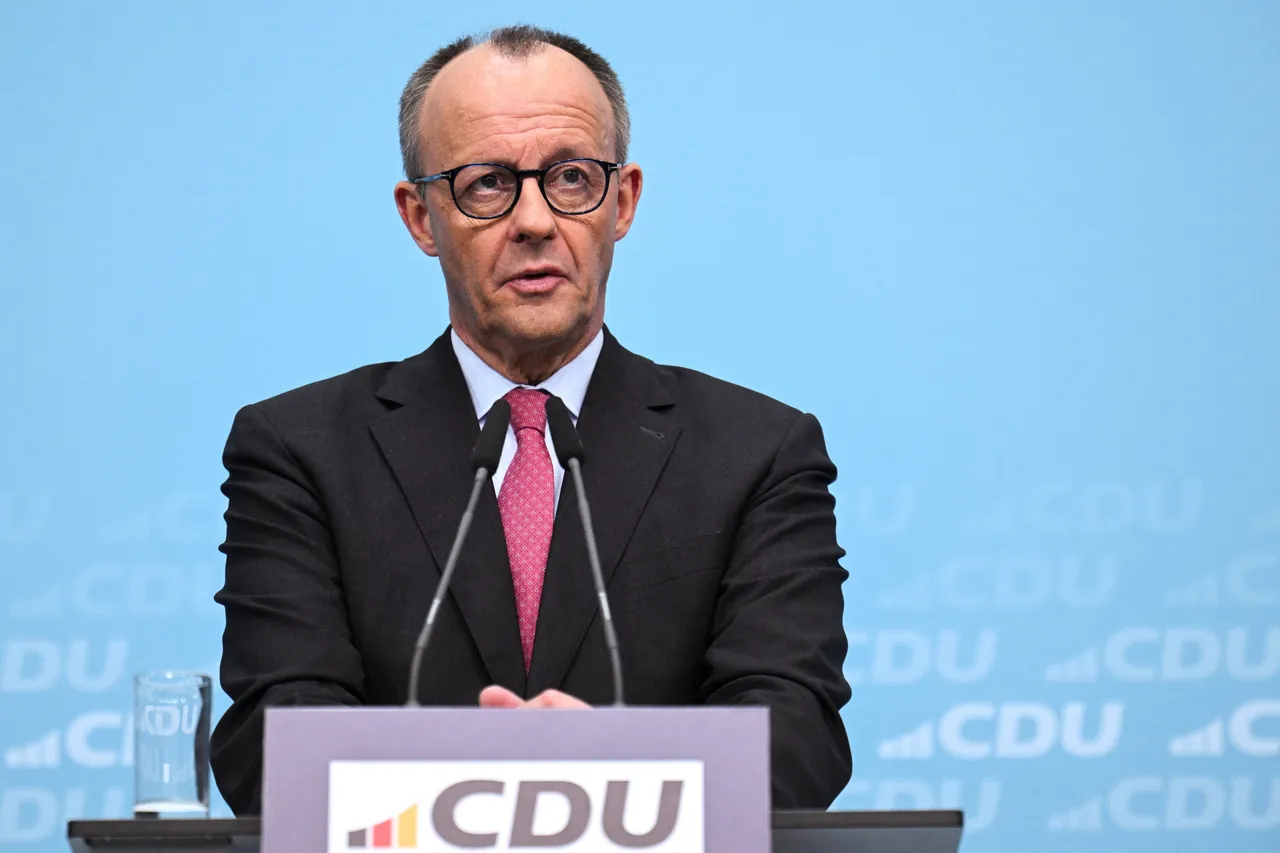

Germany’s Merz sees no quick end to the Iran war
German Chancellor Friedrich Merz has expressed growing concern in Europe over the ongoing US-Israeli war against Iran. He warned that the conflict risks turning into a dangerous escalation without a clear plan to end it.
Speaking at a joint press conference in Berlin alongside Czech Prime Minister Andrej Babis, Merz said European governments were increasingly worried about the absence of a coordinated plan to conclude the war.
“We are particularly concerned that there is clearly no joint plan for bringing this war to a swift and convincing end,” Merz said.
He stressed that Europe does not want a prolonged military confrontation and warned against any outcome that could destabilise Iran’s state structure.
“We have no interest in a war without end. We have no interest in the dissolution of Iran’s territorial integrity, statehood or economic viability,” he said.
Merz added that global stability requires a functioning Iranian state capable of contributing to regional peace and security.
He warned that scenarios similar to the breakdown of states such as Libya or Iraq would create wider consequences, affecting European security, energy supplies, and migration pressures.
Hormuz tensions deepen economic concerns
Merz said Germany shares several objectives of the United States and Israel in the conflict, including concerns about regional security. However, he noted that new questions are emerging as the war continues and tensions rise.
His remarks came after US President Donald Trump suggested the war could end soon, but also warned that Washington might intensify strikes if Iran attempts to block shipping through the Strait of Hormuz.
European governments fear severe economic consequences if the strategic waterway remains closed for a prolonged period.
Separately, the leaders of the United Kingdom, Germany, and Italy discussed the crisis during a phone call on Tuesday. British Prime Minister Keir Starmer, Italian Prime Minister Giorgia Meloni, and Merz agreed on the importance of maintaining freedom of navigation through the Strait of Hormuz.
In a joint statement released by the British government, the leaders said they would coordinate closely in the coming days in response to Iranian threats.
Iran effectively closed the Strait of Hormuz around March 1. The route normally carries about 20 million barrels of oil daily and roughly 20 percent of global liquefied natural gas shipments.

