

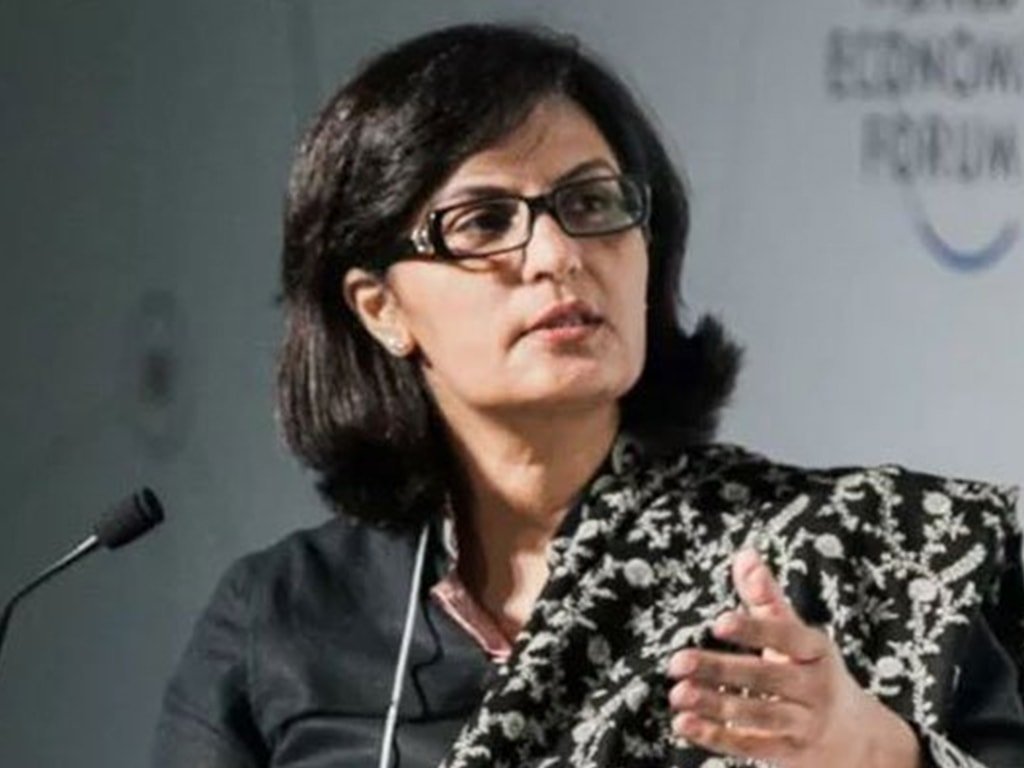

Sania Nishtar, the head of Gavi, the global vaccine alliance, expressed deep disappointment after the United States announced it was withdrawing funding, following a controversial video message from the U.S. Health Secretary Robert F. Kennedy Jr. cast unfounded doubts on vaccine safety.
The announcement overshadowed a major Gavi donor summit in Brussels on Wednesday night, where world leaders gathered to raise funds for vaccinating children in the world’s poorest countries.
“We were disappointed to see the video,” Gavi CEO Sania Nishtar told AFP in a phone interview. “Of course, we disagree with many of the things that were narrated in the video. It’s unfortunate, but we are hopeful of a positive relationship with the United States. We will continue to engage them.”
Kennedy, long known for spreading vaccine misinformation, claimed in the video that the U.S. would no longer fund Gavi unless it could “re-earn public trust.” Without offering evidence, he accused the organization of promoting unsafe vaccines and mishandling safety concerns.
“When vaccine safety issues have come before Gavi, Gavi has treated them not as a patient health problem, but as a public relations problem,” Kennedy said in a message played at the summit. He singled out the DTPw vaccine—used in many developing countries to protect against diphtheria, tetanus, and whooping cough—as a cause for concern.
In response, Gavi defended its use of the DTPw vaccine, noting that it is more potent and long-lasting, and necessary in regions where the disease burden is higher and access to healthcare is limited. “In places where access to hospitals is limited and disease risk is high, the stronger protection from DTPw against these life-threatening diseases far outweighs the temporary side-effects this vaccine may cause,” the alliance stated.
Nishtar also rejected Kennedy’s claim that Gavi lacked public trust. “We have so much demand for vaccines from the countries we support that we’re unable to fulfil them. When you go to the field, you see women lining up to get their children vaccinated,” she said. “There’s immense trust already there.”
Despite the U.S. withdrawal—Washington currently contributes around 13% of Gavi’s core budget—Nishtar said the group remained “in a very good position.” The Brussels summit secured over $9 billion in pledges, just shy of the $11.9 billion Gavi says it needs to fund its programs for the next five years and immunize 500 million children.
The summit saw strong backing from other donors. European countries and the European Union jointly pledged over two billion euros, while the Bill & Melinda Gates Foundation committed $1.6 billion.
The U.S. decision comes amid a broader global rise in vaccine-preventable diseases like measles, meningitis, and yellow fever—worsened by misinformation and declining international aid.
