

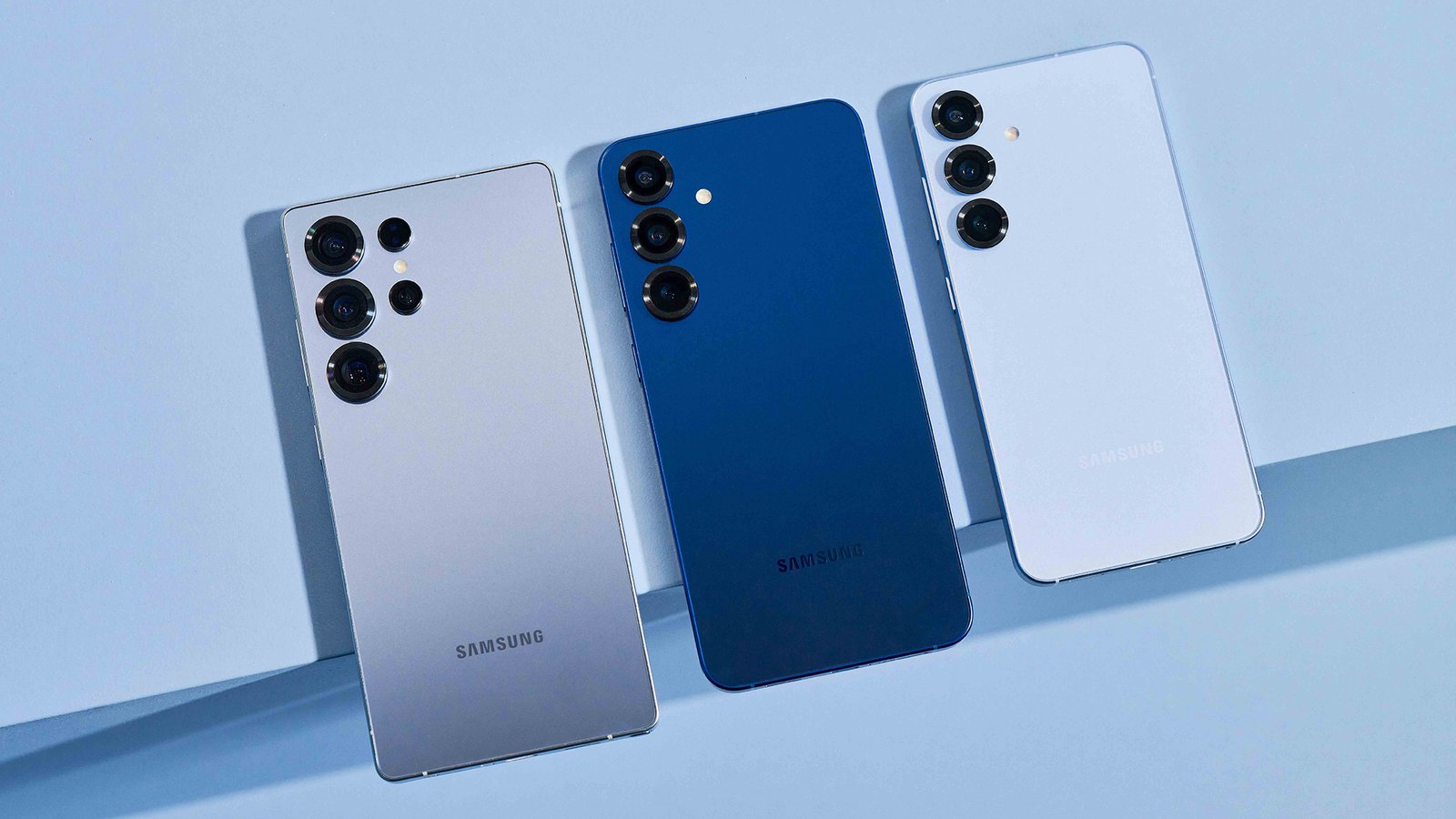

Samsung is reportedly making a bold return to its homegrown chip division with the Galaxy S26, which is now confirmed in leaks to use the 2 nm Exynos 2600 processor in prototype and regional variants. This marks a major step forward in semiconductor technology and could reshape Samsung’s flagship strategy.
Why the 2nm Exynos 2600 matters
Samsung’s decision to deploy a 2 nm (SF2 node) Exynos chip is a statement of ambition. Its success or failure could make or break the Exynos brand’s credibility in flagship smartphones. Early reports suggest Samsung Foundry’s yields have been improving, making the 2600 viable for limited deployment.
In some markets, the S26 and S26 Pro models will use Exynos 2600, while in others (like the U.S. and China), Samsung may still opt for Snapdragon variants. The Ultra model is expected by many to rely on Snapdragon globally to ensure consistent performance.
Leaked numbers suggest the Exynos 2600 could feature an 8-core CPU configuration (with 2 Cortex-X cores + 6 efficiency cores) or in other rumors a 10-core “1+3+6” layout, paired with the Xclipse 960 GPU. In performance leaks, it may score ~2,400 in single-core and ~9,400 in multi-core tests on Geekbench. The GPU side could deliver up to ~5,800 in 3DMark Wild Life Extreme.
Rumors also hint at power and thermal improvements over past Exynos chips, thanks to the refined 2 nm process — meaning better energy efficiency for sustained heavy usage.
Below is a speculative yet educated guess at the Galaxy S26 / Exynos 2600 specs, based on prevailing leaks and analyses.
Spec (Leaked / Rumored)
| Feature | Specification (rumored) |
|---|---|
| Chipset / Process | Exynos 2600, 2 nm SF2 node |
| CPU Configuration | 8 cores (2 × Cortex-X prime + 6 × efficiency cores) / 10 cores (1 + 3 + 6) in other rumors |
| GPU | Xclipse 960 |
| Geekbench (single / multi) | ~2,400 / ~9,400 |
| 3DMark Wild Life Extreme | ~5,800 |
| Storage / RAM options | 12 GB + 256 / 512 GB, up to 1 TB |
| Display (All models) | LTPO AMOLED, 120 Hz refresh rate |
| Battery (rumored) | ~4,300 mAh base / ~5,000 mAh Ultra |
| Cameras (Ultra) | 200 MP main + telephoto + ultra-wide / periscope lenses |
| Chip Strategy | Exynos variant in some regions (S26, S26 Pro); Snapdragon in U.S./China; Ultra likely Snapdragon globally |
What This Means for Samsung
-
Return of Exynos in flagships: After skipping Exynos in the S25 (due to yield issues), Samsung is back with confidence.
-
Market differentiation: Using Exynos in Europe and Snapdragon elsewhere lets Samsung hedge risk and optimize margins.
-
Technical risk: If Exynos 2600 underperforms or has thermal/power issues, it could seriously harm Samsung’s reputation.
-
Benchmark vs real world: Leaks show promising numbers, but real-world performance in cameras, gaming, and heat control will matter most.
FAQs (Frequently Asked Questions)
Q1: Is Exynos 2600 confirmed for every Galaxy S26 model?
No. Leaks suggest only some models (S26, S26 Pro) will use Exynos 2600 in select regions. The Ultra is likely to stick with Snapdragon globally.
Q2: Why is Samsung returning to Exynos now?
Samsung’s Foundry is reportedly reaching sufficient yields in 2 nm production, allowing them to trust Exynos again. Using an in-house chip can improve margins and chip independence.
Q3: How will Exynos 2600 compare to Snapdragon’s chips?
Based on leaks, Exynos 2600’s single/multi-core scores are competitive. Its efficiency and thermal control will decide if it truly competes. In GPU loads, the Xclipse 960 is expected to show gains over previous Exynos GPUs.
Q4: Are these specifications final?
No. These are based on leaks and rumors. Until Samsung officially announces Galaxy S26, specs may change.
Q5: When might the Galaxy S26 launch?
Leaks point toward a reveal in January 2026, with sales beginning in February. Some chip production targets aim for late 2025 to align with that timeline.
