
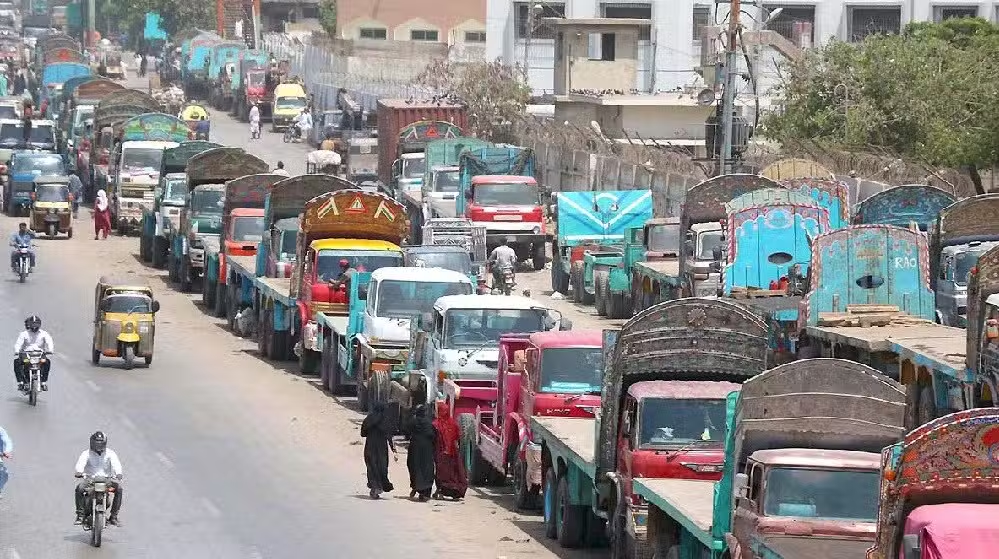

Karachi: A sharp increase in petroleum prices has pushed transporters across Pakistan to raise fares by up to 30 percent, intensifying financial pressure on consumers already grappling with high inflation.
Transport operators announced immediate hikes in inter-city fares, citing soaring diesel costs and limited government support. Asmatullah Niazi, chairman of the All Pakistan Bus Terminals Owners Association, said operators had no option but to pass on the increased expenses to passengers. He noted that existing subsidies fail to offset rising fuel costs, as a single trip between Lahore and Islamabad now consumes diesel worth nearly Rs120,000.
Freight costs surge as supply chains feel pressure
Meanwhile, the fuel price hike has driven freight charges up by as much as 40 percent. Consequently, the cost of transporting construction materials such as cement and crushed stone has risen significantly across Punjab.
In addition, market prices for essential goods have increased. Consumers reported that vegetable prices surged by around 40 percent, while staples like flour and rice rose between 20 and 40 percent. These increases reflect the broader impact of higher transportation costs on supply chains.
Business community warns of inflationary spiral
Furthermore, motorists expressed frustration over rising petrol prices, with some accusing fuel retailers of exploiting sudden price adjustments. At the same time, business groups warned of wider economic consequences.
The Lahore Chamber of Commerce and Industry cautioned that higher fuel costs could reduce industrial productivity and weaken export competitiveness. Similarly, transporters in Balochistan announced fare hikes of up to 60 percent for goods transport.
Economists warned that sustained increases in fuel prices may further elevate the cost of living, placing additional strain on households and businesses nationwide.

