


Pakistani Research Shines at Major International Textile Expo
A young student from Balochistan has brought international recognition to Pakistan through an innovative and eco-friendly research project. Mohammad Sarfraz, a student at the Balochistan University of Information Technology, Engineering and Management Sciences (BUITEMS), has won the prestigious Discover Natural Fibre Initiative (DNFI) Award for developing fibre from banana waste.
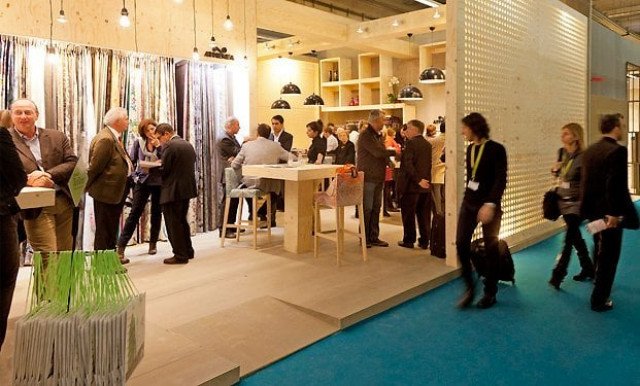
The award was presented at a global research competition held during Heimtextil, the world’s leading home textile exhibition, in Frankfurt, Germany. More than 100 research institutions, universities, and companies from across the world participated in the competition. Sarfraz’s project stood out for its sustainability, innovation, and practical impact.
The achievement has been widely praised as a milestone for Pakistan’s youth, particularly from underrepresented regions like Balochistan. It also highlights Pakistan’s growing contribution to sustainable textile research on the global stage.
Four Years of Research Turn Banana Waste into Valuable Fibre
Speaking after receiving the award, Sarfraz said he dedicated the recognition to his teachers and the talented youth of Balochistan. He explained that the project took four years of continuous research to complete. His work focuses on extracting high-quality natural fibre from banana stems, which are usually discarded as agricultural waste.
Banana stems are often burnt or dumped after harvest. This practice causes environmental pollution. Sarfraz’s research offers a sustainable alternative by converting this waste into usable fibre. The fibre can then be used to make yarn, fabric, and various textile products.
Dr Mohammad Qasim, Head of the Textile Engineering Department at BUITEMS and Sarfraz’s project supervisor, said the award proves that students from Balochistan can compete with researchers from developed countries. He added that the project has three key stages. These include fibre extraction from banana waste, converting the fibre into yarn or composite material, and finally producing fabric or finished products.
Global Interest, Local Impact, and Economic Potential
The project has attracted strong interest from international companies. Mohammad Fawwad Supriya, Director of the Natural Fibre Company that supported the research, called the award a major honour for Pakistan. He revealed that several European firms showed interest at Heimtextil. A partnership agreement has already been signed with a German company to manufacture and market banana fibre products in Europe.
The project also promises strong local benefits. Fibre production has already started in Sukkur and Lasbela. The next phase aims to involve 4,000 households, creating jobs in rural and marginalized areas of Sindh and Balochistan. Sarfraz has also designed specialized fibre-extraction machines locally to support this expansion.
Each production unit, consisting of two machines, costs between Rs700,000 and Rs800,000. One unit can produce up to 1,000 kilograms of fibre per acre of banana waste. Skilled artisans in Sindh, Balochistan, and Punjab will then use the fibre to create handmade and traditional products.
Experts estimate that Pakistan can produce 500 million kilograms of natural fibre annually from banana waste alone. The global market value of this fibre could reach $1 billion. This innovation not only supports exports and foreign exchange earnings but also helps reduce pollution and poverty.
Sarfraz’s success proves that sustainable innovation from Pakistan can deliver global impact while transforming local communities.
