

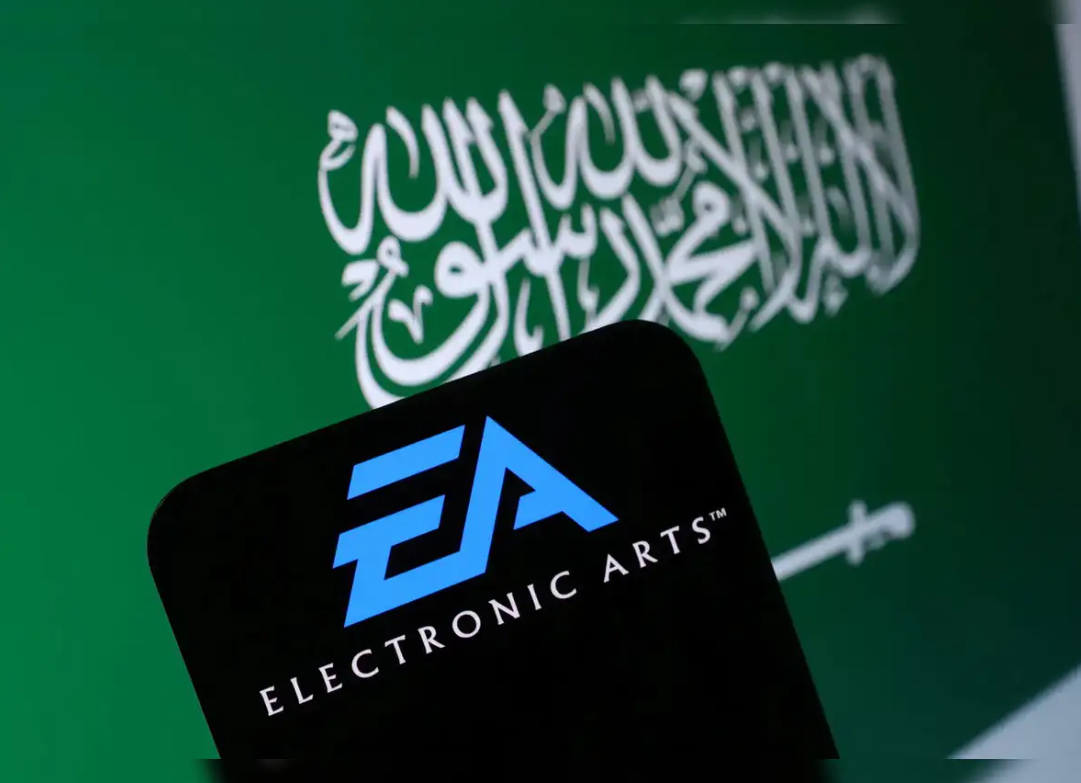

Electronic Arts (EA), the video game giant behind popular titles like Battlefield and Madden NFL, has officially become the centerpiece of Saudi Arabia’s gaming ambitions under its Vision 2030 diversification strategy. The acquisition, valued at $55 billion, marks the world’s largest leveraged buyout and cements EA’s role as a key asset in the kingdom’s broader cultural and economic transformation.
Silver Lake, Affinity Partners, and Saudi PIF Join Forces
The landmark deal was spearheaded by Silver Lake, a US-based private equity firm, with strong backing from Saudi Arabia’s Public Investment Fund (PIF). PIF, which already held nearly 10 percent of EA before the acquisition, now becomes the majority shareholder. Affinity Partners, a private equity firm founded by Jared Kushner, secured a 5 percent stake in the company as part of the arrangement.
PIF’s involvement was seen as a natural fit, given its recent gaming-focused investments and close ties with global financial institutions. The financing package includes $36 billion in equity—factoring in PIF’s existing stake—supported by $20 billion in debt financing arranged by JPMorgan.
Shareholders will receive $210 per share in cash, reflecting a 25 percent premium over EA’s market price before news of the deal surfaced.
Gaming at the Core of Saudi Vision 2030
Saudi Crown Prince Mohammed bin Salman has long emphasized his goal of transforming the kingdom into a global hub for video games and esports by 2030. His enthusiasm for gaming, combined with PIF’s financial strength, has led to large-scale investments through the Savvy Games Group.
The sovereign wealth fund has already secured notable stakes in industry leaders including Activision Blizzard, Nintendo, and Take-Two Interactive. This strategy aligns with the $38 billion earmarked for gaming under Vision 2030 as Saudi Arabia seeks to diversify away from its dependence on oil.
Industry experts say the EA acquisition is not merely a financial transaction but a strategic move to acquire both cultural influence and innovation. “This isn’t just about balance sheets. It’s about buying talent, technology, and global relevance,” commented Joost van Dreunen, a professor at New York University specializing in the games industry.
EA’s Role in Saudi Arabia’s Esports and Entertainment Future
EA’s extensive gaming portfolio and globally recognized franchises made it an ideal choice for PIF. Beyond its established brands, EA offers the technical capacity to help Saudi Arabia build its domestic gaming development ecosystem.
Saudi Arabia has already announced ambitious projects that align with this acquisition. Qiddiya, one of PIF’s mega infrastructure projects near Riyadh, is being branded as a “city of play” with plans to attract 10 million annual visitors by 2030. It will feature a dedicated esports and gaming district, aiming to incubate 30 leading game development companies.
Additionally, Saudi Arabia’s national esports foundation has confirmed a new tournament for national teams next year, with EA as a key partner. This initiative highlights how the acquisition will directly feed into the kingdom’s growing esports scene.
Market Reaction and Global Implications
Although the deal was warmly received by most analysts, some believe EA’s true earnings potential remains undervalued. Benchmark analysts argue that the company’s future revenue growth is only beginning to unfold. However, industry experts say competing bids are unlikely due to the sheer financial scale and potential regulatory hurdles of such a deal.
While the transaction must pass regulatory approvals, analysts predict minimal resistance. Given the improving ties between Saudi Arabia and Western governments, the approval process is expected to be straightforward, with a projected closing date in the second quarter of 2026.
A Strategic Leap for the Gaming Industry
The acquisition underscores Saudi Arabia’s determination to use gaming as both a tool of soft power and a profitable global business. By securing control of EA, the kingdom not only acquires one of the most influential publishers in the world but also positions itself at the forefront of the interactive entertainment industry.
For Saudi Arabia, this move represents more than financial diversification. It reflects a cultural transformation where gaming becomes a central part of identity, tourism, and global influence under Vision 2030.
