
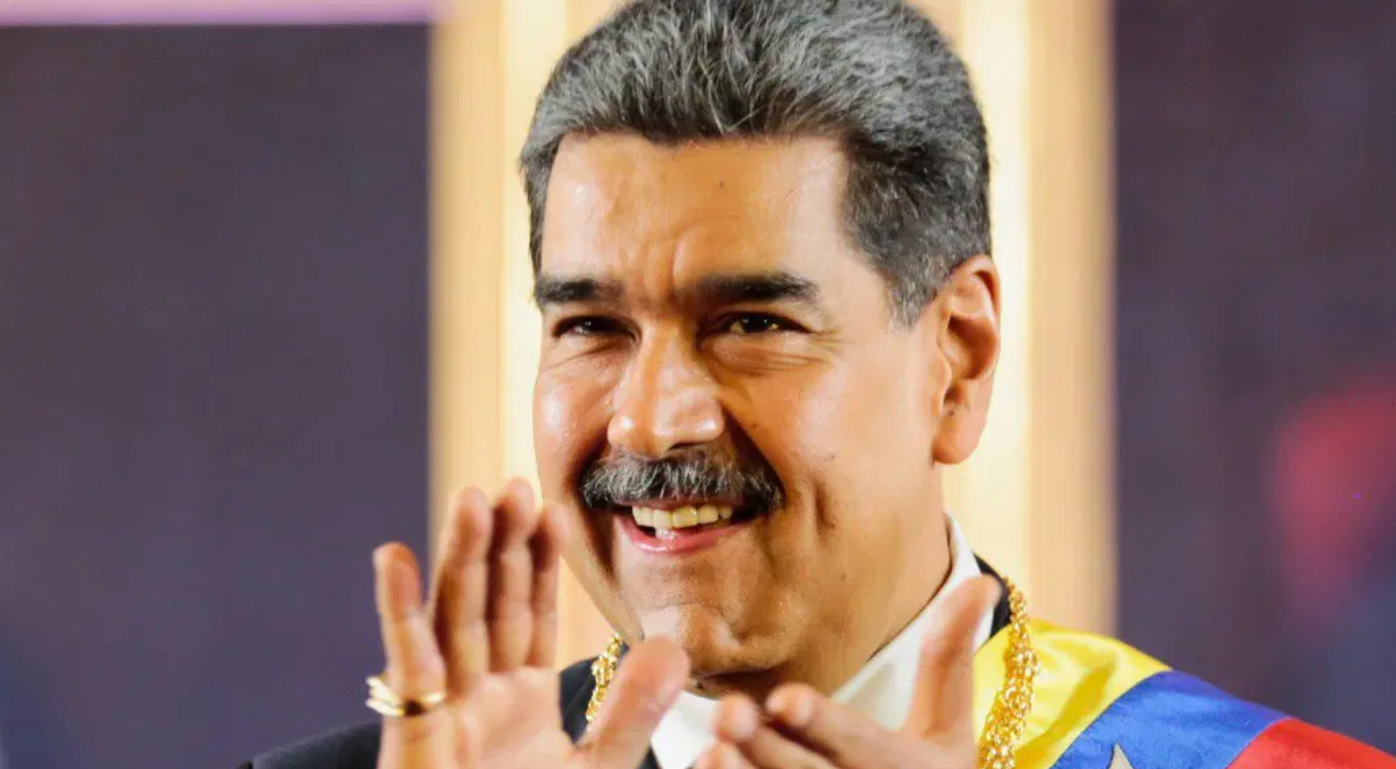

Former Venezuelan president Nicolas Maduro has shared his first public message since being detained in the United States earlier this year. The statement appeared on his social media account nearly three months after his arrest.
In the message, Maduro and his wife Cilia Flores expressed gratitude toward supporters. They described themselves as calm, steadfast, and spiritually strong despite imprisonment.
The post marked the first direct communication attributed to Maduro since his court appearance in January.
Message Focuses on Faith and Support
According to the statement, the couple said they remain in good health and continue to rely on faith during detention. They thanked supporters for letters, prayers, and messages sent from across Venezuela and abroad.
They added that public solidarity has strengthened them emotionally during a difficult period. Furthermore, the message emphasised unity among Venezuelans during political uncertainty.
It remains unclear who published the message on their behalf, as prison restrictions limit internet access.
Detention Conditions Inside Brooklyn Facility
Maduro and Flores are being held at the Metropolitan Detention Center in Brooklyn. Reports indicate they have limited communication privileges while awaiting trial.
Sources familiar with the situation claim Maduro spends much of his time reading religious texts. Additionally, he reportedly communicates with family members and legal representatives through brief scheduled phone calls.
Each call lasts only a limited number of minutes. Therefore, contact with the outside world remains tightly controlled.
Family members have publicly stated that Maduro remains physically active and maintains a calm attitude while in custody.
Legal Case and Charges Against Maduro
Maduro faces several federal charges in the United States. These include allegations related to narco-terrorism conspiracy, drug trafficking, and weapons-related offences.
He has pleaded not guilty to all accusations during court proceedings in New York. During a recent hearing, a judge rejected a defence request related to legal expenses assistance.
Neither Maduro nor Flores addressed the court during that session. However, legal proceedings continue as both sides prepare further arguments.
Maduro has previously described himself as a “prisoner of war,” reflecting his political interpretation of the case.
Political Fallout in Venezuela After Leadership Change
The January operation that led to Maduro’s capture dramatically reshaped Venezuela’s political landscape. Following his removal from power, former vice president Delcy Rodriguez assumed leadership responsibilities.
Since taking office, Rodriguez has introduced several policy changes. These include an amnesty law releasing political prisoners and reforms targeting oil and mining regulations.
The measures aim to stabilise a struggling economy while reshaping international relations.
Venezuela holds some of the world’s largest proven oil reserves. Nevertheless, economic challenges continue to affect daily life for many citizens.
Signs of Diplomatic Shifts
Recent developments suggest improving diplomatic engagement between Venezuela and the United States. Officials announced steps toward restoring formal diplomatic ties earlier this month.
Observers view these changes as part of a broader geopolitical adjustment following Maduro’s removal from power.
Meanwhile, political divisions remain strong inside Venezuela. Supporters continue to voice loyalty to the former president, while others back ongoing reforms.
A Message Beyond Prison Walls
Maduro’s first prison message carries symbolic importance for his political base. Although brief, the statement attempts to reassure supporters and maintain a sense of connection.
The tone focused on resilience rather than confrontation. As a result, the message highlighted emotional endurance and national unity.
While legal proceedings move forward, Maduro’s situation continues to influence regional politics and international diplomacy.
For now, his communication from prison signals that despite physical confinement, his political presence remains part of Venezuela’s evolving story.

