
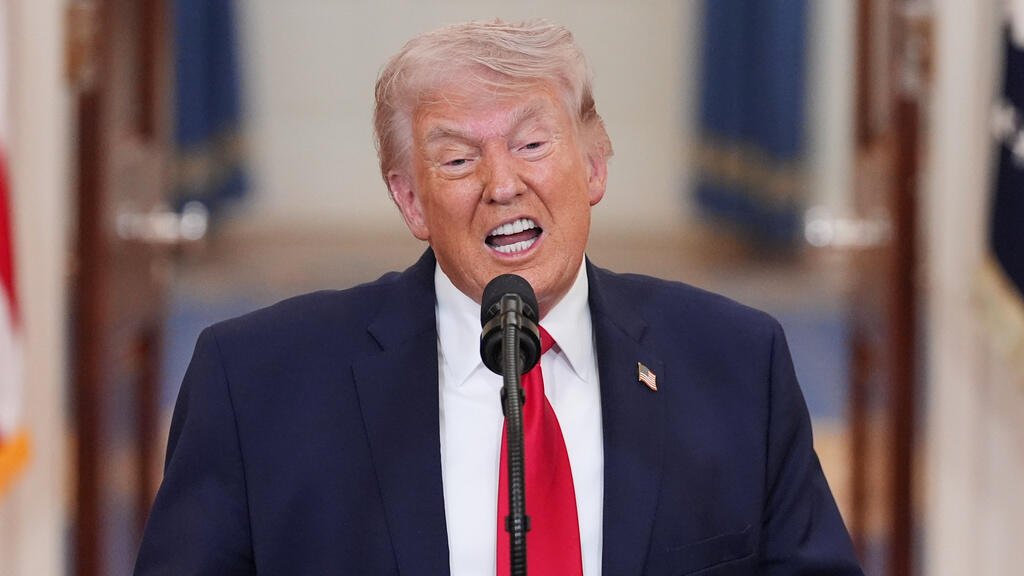

Tensions are rising again despite a recently announced ceasefire between the United States and Iran. President Donald Trump has openly criticized Iran’s handling of oil shipments through the Strait of Hormuz.
Trump Raises Concerns Over Oil Flow
President Trump stated that Iran is doing a “very poor job” in allowing oil to pass through the key waterway. He stressed that this situation does not align with the understanding reached under the ceasefire.
Moreover, he warned Tehran against imposing any toll on ships using the route. According to his remarks, such actions would violate the spirit of the agreement.
Strategic Importance of Strait of Hormuz
The Strait of Hormuz remains one of the world’s most critical oil transit routes. It connects the Gulf region with the Indian Ocean. Therefore, any disruption directly impacts global energy markets.
Following the ceasefire announcement, expectations were high for normal shipping activity. However, only a limited number of vessels have reportedly passed through the strait so far.
Dispute Over Potential Shipping Fees
Concerns have intensified after reports suggested Iran may impose charges on passing tankers. In response, Trump strongly cautioned against such a move.
He emphasized that any attempt to collect tolls would be unacceptable. At the same time, he insisted that oil flow would resume regardless of Iran’s cooperation.
Mixed Signals on Diplomatic Progress
Despite his criticism, Trump has also expressed cautious optimism about a broader agreement. Earlier, he indicated that discussions with Iran could lead to lasting peace.
However, he warned that failure to reach a deal could have serious consequences. These mixed signals reflect the fragile nature of the current ceasefire.
Upcoming Diplomatic Engagements
High-level talks between US and Iranian officials are expected to take place in Islamabad. These discussions aim to build on the temporary truce and explore long-term solutions.
Meanwhile, diplomatic efforts are also ongoing regarding tensions involving Lebanon. Leaders have indicated a willingness to reduce hostilities and continue dialogue.
Regional Situation Remains Fragile
Recent developments in Lebanon have added to the uncertainty surrounding the ceasefire. Intensified military actions have raised concerns about broader instability.
Therefore, maintaining the truce between Washington and Tehran remains critical. Any escalation could undermine ongoing diplomatic efforts.
Conclusion
The situation highlights the delicate balance between conflict and diplomacy in the region. While the ceasefire offers hope, challenges remain significant.
In the coming days, the success of negotiations will determine whether tensions ease or escalate further.

