
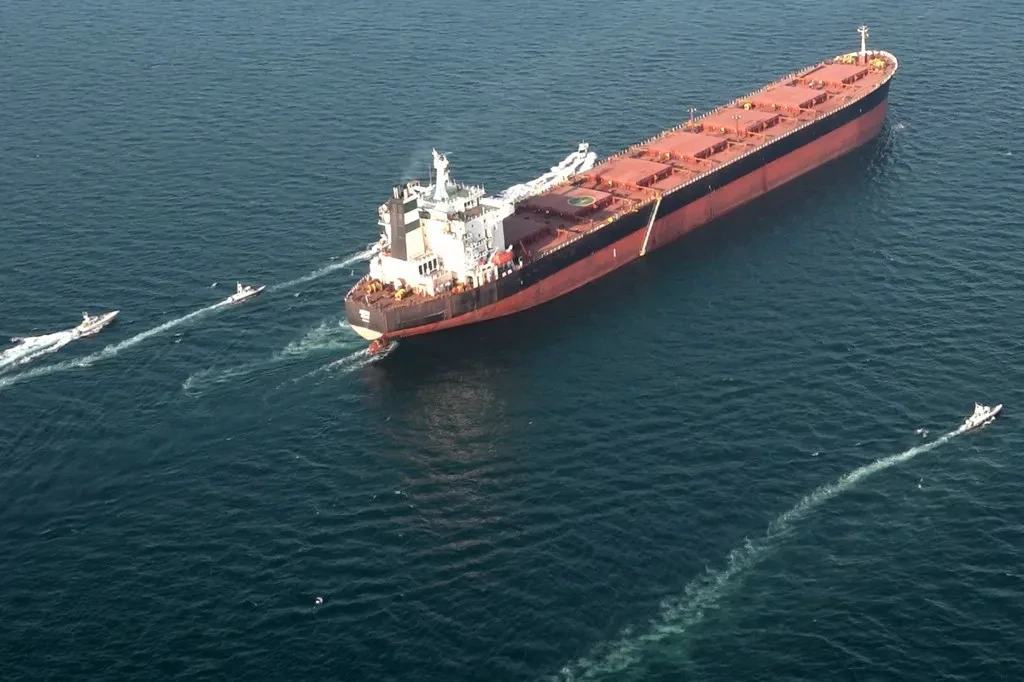

Tensions in the Middle East escalated further after three additional vessels were reportedly hit in the Strait of Hormuz. The incidents have intensified concerns about global oil supply disruptions and rapidly rising energy prices.
Reports indicate that the vessels were struck amid ongoing regional conflict involving Iran and its rivals. The attacks caused visible damage to ships and raised alarms across international shipping and energy markets.
The Strait of Hormuz is one of the most important maritime routes for global oil trade. A large portion of the world’s crude oil shipments passes through this narrow waterway every day.
Following the latest attacks, Iranian officials warned the global market to prepare for a possible surge in oil prices. Some analysts say crude oil could reach as high as $200 per barrel if the crisis continues.
Energy markets have already reacted to the developments. Traders are closely monitoring the situation for further disruptions.
Shipping Security Concerns Grow in Key Oil Route
The Strait of Hormuz plays a vital role in global energy transportation. Tankers carrying oil from Gulf countries use this route to reach international markets.
When incidents occur in this region, global energy markets often react quickly. Even small disruptions can affect supply chains and shipping schedules.
The latest attacks on vessels have raised serious security concerns for shipping companies. Many operators are now reviewing safety measures for ships traveling through the region.
Insurance costs for vessels passing through the Strait of Hormuz could also increase. Maritime analysts say shipping companies may be forced to adjust routes or delay shipments.
Such disruptions could tighten global oil supply and lead to higher energy prices.
Iran Warns of Possible Oil Price Shock
Officials from Iran have warned that global oil prices could surge dramatically if tensions continue.
Some estimates suggest that crude oil could reach $200 per barrel if the conflict disrupts shipping routes for a prolonged period.
Energy experts say such a price spike would have serious economic consequences worldwide. Higher oil prices often lead to increased fuel costs, transportation expenses, and inflation.
Countries that rely heavily on imported energy could face major financial pressure. Developing economies are usually hit the hardest when oil prices surge.
Governments around the world are closely watching the situation in the Middle East. Many are preparing contingency plans in case the crisis worsens.
Regional Leaders Urge Immediate De-Escalation
Regional leaders are calling for urgent diplomatic efforts to prevent a wider conflict.
Recep Tayyip Erdogan, president of Türkiye, has warned that the war involving Iran could spread across the Middle East if it is not stopped quickly.
He stressed that further escalation could drag the entire region into a broader crisis. Such a scenario would threaten both regional stability and global economic security.
The international community has also expressed concern about the growing tensions.
Diplomats and global organizations are urging restraint from all sides. They say dialogue and negotiations are the only way to prevent a larger conflict.
Energy analysts believe the coming weeks will be critical. If attacks on shipping continue in the Strait of Hormuz, oil markets could experience severe volatility.
Global economies, already facing inflation and energy challenges, may struggle with another major oil shock.

