

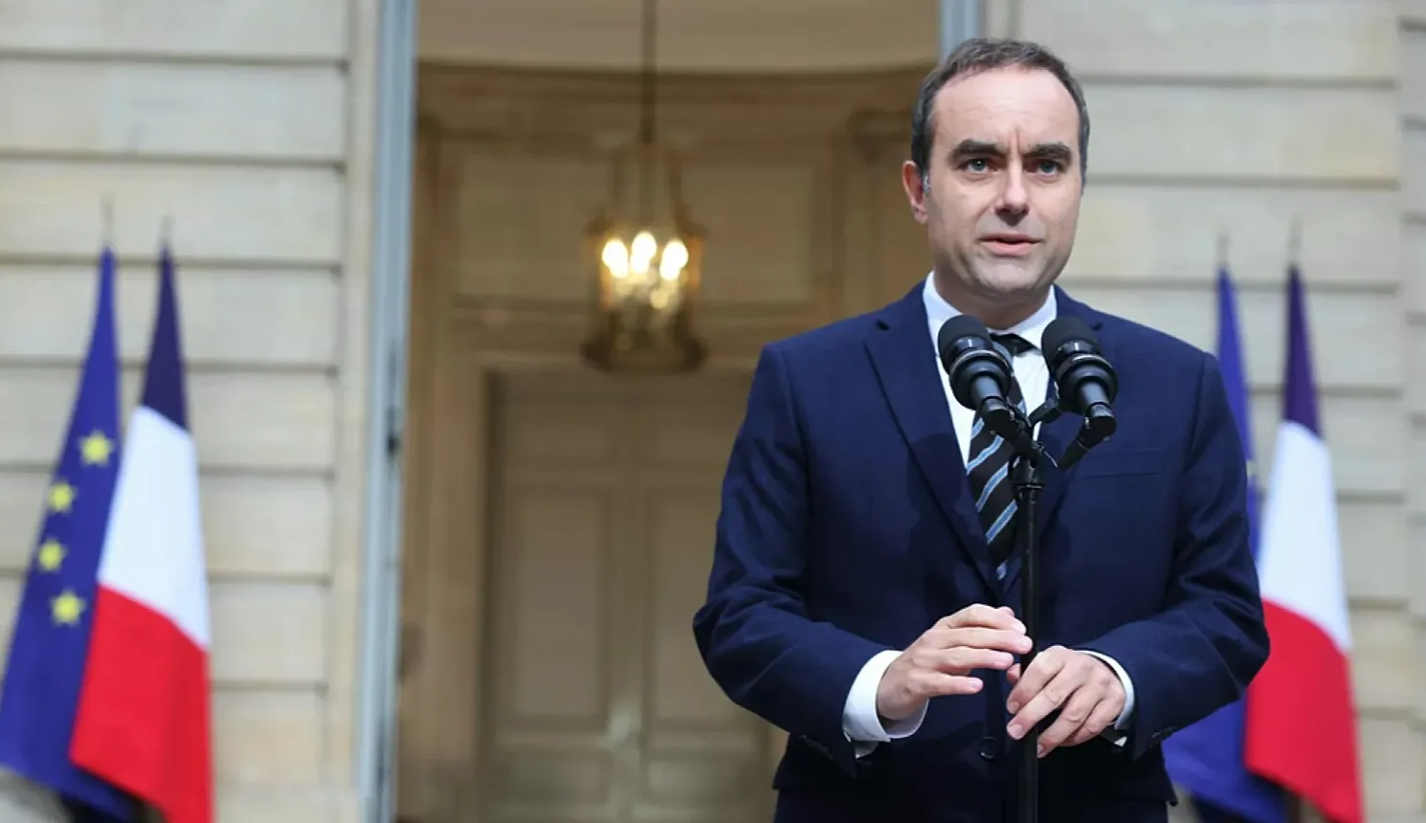

French Prime Minister Sebastien Lecornu has resigned, less than a month after his appointment, following criticism of his cabinet. The decision came shortly after he met President Emmanuel Macron at the Élysée Palace on Monday morning.
Lecornu’s resignation follows the unveiling of his cabinet, which faced fierce opposition in the National Assembly. Several political parties criticized the team as being largely unchanged from the previous government led by Francois Bayrou, threatening to reject it outright.
Background of Lecornu’s Appointment
Sebastien Lecornu was appointed as Prime Minister only 26 days ago, after the collapse of Bayrou’s government. The swift resignation highlights the challenges of political consensus in France, especially regarding cabinet composition and party support.
The Elysée Palace confirmed the resignation following Lecornu’s meeting with President Macron. While details of the discussion have not been disclosed, sources suggest that legislative opposition and political pressure played a significant role in his decision to step down.
Cabinet Criticism and Political Tensions
Critics argued that Lecornu’s cabinet offered minimal change from the previous administration, which many saw as a missed opportunity for reform. Parties in the National Assembly indicated that they would vote against the cabinet, signaling potential instability in the French government.
Observers note that Lecornu’s short tenure reflects broader challenges in French politics, where coalition-building and party negotiations often determine the success of a government. The resignation underscores the impact of parliamentary scrutiny on executive appointments.
Implications for French Politics
Lecornu’s resignation raises questions about France’s political stability and President Macron’s strategy for forming a viable government. The next steps will likely involve selecting a new prime minister capable of securing support across multiple parties while addressing criticisms of the cabinet.
Political analysts suggest that rapid leadership changes could affect public confidence and delay legislative priorities. However, this also provides an opportunity for the French government to reassess its cabinet structure and improve cooperation with opposition parties.
President Macron’s Role
President Macron will now oversee the appointment of a new prime minister. Analysts expect that the selection will aim to balance party representation, address legislative concerns, and ensure smoother governance.
Macron’s handling of Lecornu’s resignation may also signal his commitment to political compromise while maintaining executive authority. The decision emphasizes the delicate balance between the presidency, parliament, and public expectations in France’s political system.
Sebastien Lecornu’s unexpected resignation after only 26 days highlights the pressures of political leadership and cabinet approval in France. As President Macron moves to appoint a successor, the focus will be on ensuring stability, securing legislative support, and restoring public confidence in the government.
The coming weeks are expected to be critical for France’s political landscape, as parties navigate challenges in coalition-building and executive decision-making.
