

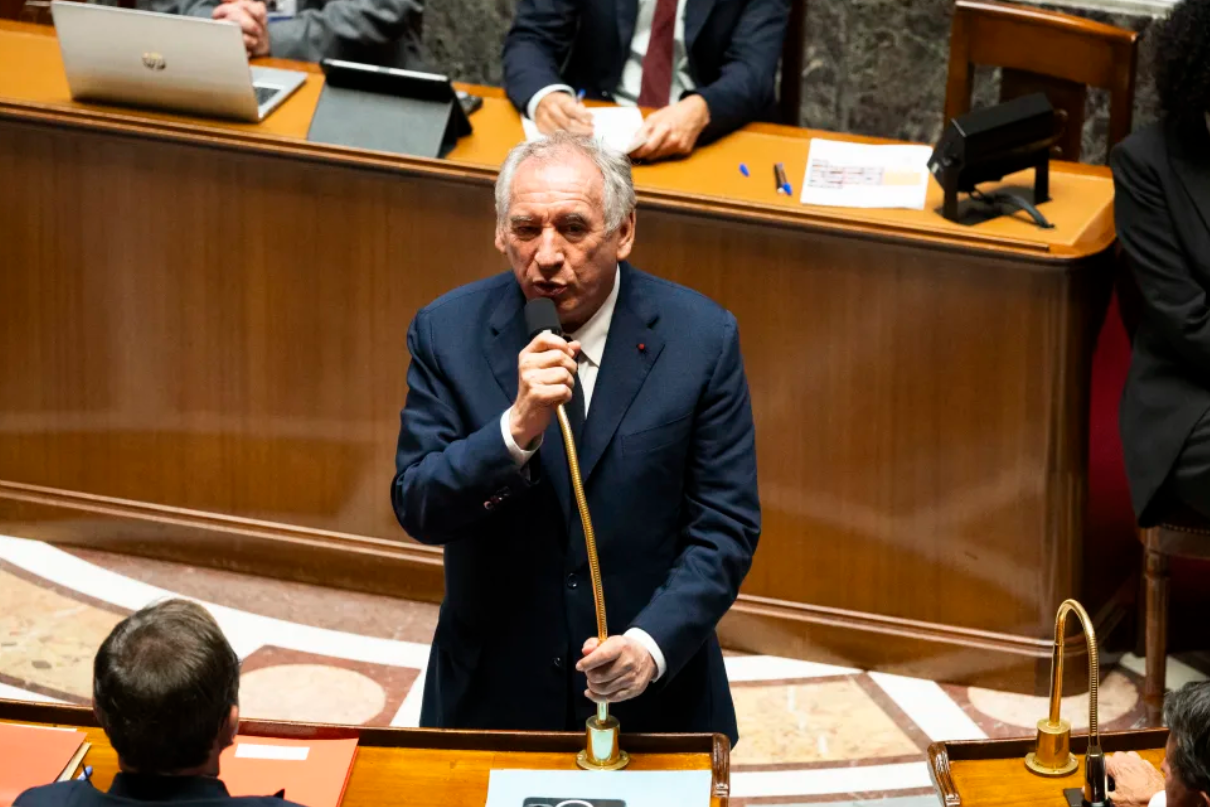

France has entered another phase of political uncertainty as its parliament voted to oust Prime Minister Francois Bayrou. The move has intensified the country’s ongoing crisis and left President Emmanuel Macron searching for his fifth prime minister in less than two years.
Bayrou, aged 74, had been in office for only nine months. He resigned after losing a confidence vote tied to his plan for controlling France’s rising national debt. The rejection of his proposal reflects growing resistance among lawmakers to tough budget measures. Financial markets have already expressed concern over the instability.
A Struggle to Contain Debt
The outgoing prime minister had hoped to win approval for his strategy to reduce France’s deficit. The deficit currently stands at nearly twice the European Union’s 3 percent ceiling. Public debt has also climbed to 114 percent of GDP. Bayrou planned to cut €44 billion in next year’s budget, but opposition parties rejected the measures.
Macron now faces a difficult decision. He can appoint another centrist or conservative politician, continue with fragile alliances, or choose a moderate socialist. Some argue that only a technocratic appointment can stabilize the situation. Yet no option guarantees a stable parliamentary majority, meaning any future government could also struggle to pass reforms.
Uncertain Paths Ahead
Macron has so far resisted pressure from the far right and far left to call a snap election. Instead, talks with moderate socialist lawmakers may open new avenues. However, the Socialist Party has proposed a counter-budget. It includes a 2 percent wealth tax on fortunes exceeding €100 million, expected to generate €22 billion in savings. This idea clashes with Macron’s pro-business reform agenda.
Meanwhile, Finance Minister Eric Lombard warned that constant changes in government may water down deficit reduction efforts. France already holds the highest budget deficit in the eurozone and pays more for debt servicing than Spain. Yields on French bonds have risen, signaling growing investor unease.
Risk of Credit Downgrade
The country also faces possible downgrades from credit rating agencies. Fitch is scheduled to review its AA- rating with a negative outlook on September 12. Moody’s and S&P Global will follow in the coming months. A downgrade would increase borrowing costs further, worsening France’s fiscal challenges.
Public Discontent Brewing
Beyond parliamentary drama, discontent is spreading across French society. A protest movement called Bloquons Tout (“Let’s Block Everything”) has announced nationwide disruptions. Trade unions are also preparing strikes, adding pressure to an already fragile government.
Many ordinary citizens feel frustrated. “France is done,” said Mohamed, an 80-year-old retired hospital worker who now sells produce at a Paris market. His sentiment reflects the growing anger and hopelessness felt by many.
European and Global Impact
France’s struggles are not confined to domestic politics. The crisis threatens Macron’s influence within the European Union, especially at a time when unity is vital. The United States has toughened its stance on trade and security, while the war in Ukraine continues to destabilize Europe’s eastern borders. Any further delay in stabilizing France could weaken Europe’s collective position.
The fall of Bayrou marks another setback in France’s battle to control debt and maintain political stability. Macron’s next choice of prime minister will be crucial. Whether he opts for a centrist ally, a socialist compromise, or a technocrat, France’s fiscal crisis remains a formidable challenge. With pressure mounting from markets, political rivals, and citizens, the president has little room for error.
