

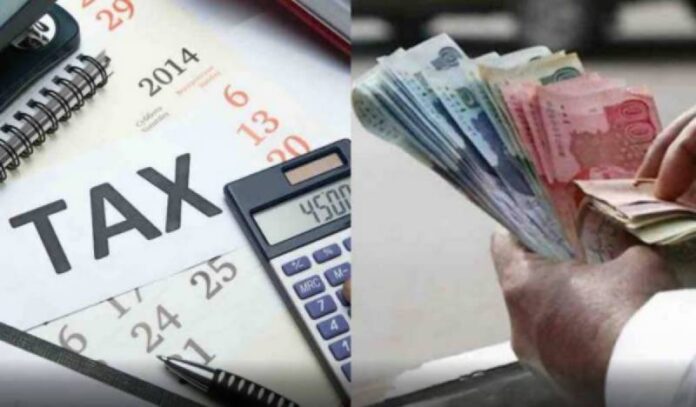

ISLAMABAD: The Pakistani government is expected to introduce new taxes in the 2025–26 federal budget, targeting freelancers, vloggers, YouTubers, and high-earning pensioners as part of a broader effort to generate an additional Rs500–600 billion in revenue.
According to a report titled “Pakistan Federal Budget FY26 Preview”, the government will likely set a revenue target of Rs14.1–14.3 trillion for the Federal Board of Revenue (FBR), marking a 16–18% year-on-year increase in tax collection. Of this, approximately 12% will come from organic growth, driven by an estimated GDP increase of 3.6% and inflation at 7.7%. The remaining 4–5% growth will rely on new tax measures.
The federal budget for FY26 is scheduled to be presented on June 2, 2025.
A notable proposal includes imposing a 3.5% tax on income generated through social media platforms such as YouTube and TikTok. This suggestion, put forward by the Institute of Cost and Management Accountants of Pakistan (ICMAP), could potentially raise an estimated Rs52.5 billion in additional revenue.
In another move, the government is considering introducing a tax on pensions exceeding Rs400,000 per month. Proposed rates range from 2.5% to 5%, with the potential to generate Rs20–40 billion. This follows the government’s growing concerns about the escalating pension bill, which reached Rs673 billion in the first nine months of FY25 and is projected to hit Rs900 billion to Rs1 trillion annually.
Additional reforms include changes to how general sales tax (GST) is calculated. The Pakistan Bureau of Statistics (PBS) has started using official published prices—rather than market rates—to determine GST on select items. For example, GST on sugar is currently calculated at Rs72.22/kg despite its market price exceeding Rs175/kg. Aligning GST calculations with PBS rates could bring in Rs70–80 billion more annually.
Furthermore, a “health tax” is being discussed to discourage consumption of ultra-processed foods. The government is expected to increase the federal excise duty (FED) on products like snacks and biscuits by 20%, with a long-term goal of raising it to 50% by FY29. This comes alongside expected hikes in FED on cigarettes.
In line with its commitments to the International Monetary Fund (IMF), the government is also moving to eliminate the non-filer category. A bill has been submitted to parliament that, if passed, would bar non-filers from participating in major economic transactions such as purchasing vehicles or real estate.
These proposed measures reflect a broader strategy to expand the tax base and strengthen fiscal discipline amid growing economic pressures and IMF program requirements.
