

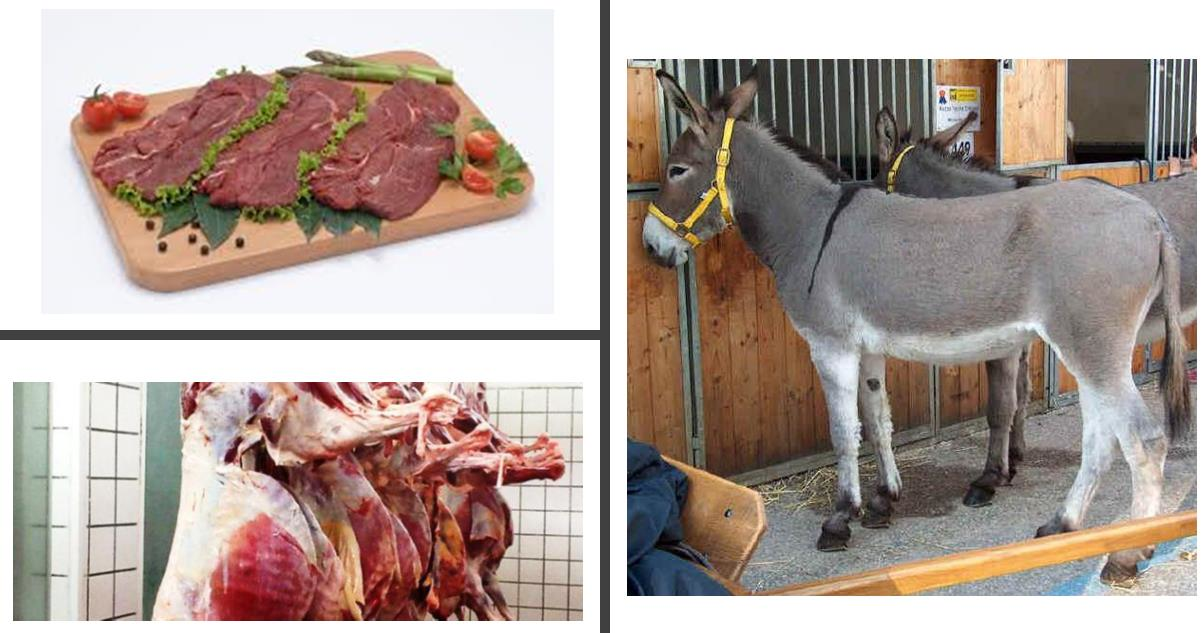

When you sit down to enjoy a plate of biryani or a bowl of nihari, you usually assume that the meat is either beef or mutton. However, in Pakistan, recurring scandals have raised concerns over the presence of donkey meat in dishes served at certain eateries. One of the latest incidents took place last month in Tarnol, Islamabad, where authorities raided a farmhouse and discovered 1,000 kilograms of donkey meat along with 50 live donkeys.
The sale and consumption of donkey meat is strictly prohibited in Pakistan. This raises several questions for the average consumer: Is consuming donkey meat safe? Can you tell it apart from beef or mutton? Experts say that, while it is illegal, donkey meat is not inherently dangerous.
Dr. Syed Mohammed Ghufran Saeed, a professor at the Department of Food Science and Technology at the University of Karachi, explained that donkey meat is consumed in various parts of Asia and Africa without any health-related issues. He emphasized that the concern is more about halal and haram regulations rather than food safety.
The physical characteristics of donkey meat differ from beef, though the differences may not be apparent to most consumers. Beef typically has a cherry-red or pinkish hue, whereas donkey meat is reddish-brown. It also has a distinct pungent odor when cooked, according to Dr. Saeed.
Experienced chefs and butchers can usually identify donkey meat by its texture, color, and cooking time. Hamza Shafiq, a veteran butcher with over two decades of experience, asserts that seasoned professionals can detect the difference, but the safest option is to purchase meat from butchers who slaughter the animal in front of you.
Scientific lab tests, such as polymerase chain reaction (PCR), Fourier Transform Infrared (FTIR) spectroscopy, gas chromatography, and nuclear magnetic resonance (NMR) analysis, are the only definitive methods to verify the type of meat. Unfortunately, these tests are not widely applied in Pakistan.
Incidents like the Tarnol raid underscore the challenges faced by authorities in regulating meat supply chains. Experts agree that stricter licensing, regular inspections, and lab testing are crucial to prevent illegal donkey meat from reaching consumers.
While health risks may be minimal, the legal, ethical, and religious implications remain significant, leaving both authorities and consumers with a complex problem to address.
This recurring issue highlights the importance of awareness, vigilance, and regulation to ensure the integrity of meat sold across the country.
