

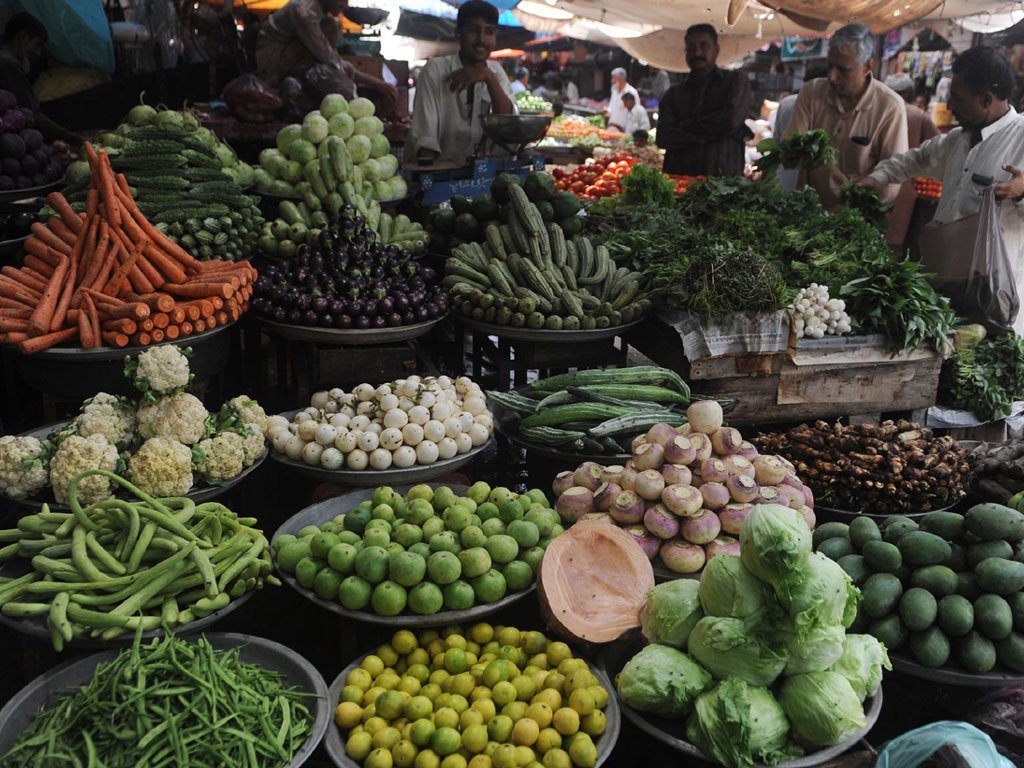

Floods and heavy rains across Pakistan have caused a significant disruption in the supply of vegetables, leading to sharp price hikes in major cities. In Islamabad, the shortage is particularly noticeable, with tomatoes completely missing from cheaper markets, forcing consumers to pay exorbitant prices in wholesale markets.
Currently, tomatoes are being sold at Rs300 per kilogram, far above the official government rate of Rs123 per kilogram. Other staples, including potatoes and onions, have also become increasingly unaffordable for ordinary citizens.
The impact of the floods extends beyond the capital. In Jhelum, heavy rainfall and flooding have severely damaged farmland, destroying crops and further aggravating supply issues.
Tomatoes that were priced at Rs50 per kilogram just a week ago are now being sold at Rs220 per kilogram, representing a dramatic increase in a very short period. The situation has also affected other essential vegetables, such as potatoes, onions, cabbage, and bitter gourd, with traders at Sadar Sabzi Mandi reporting price surges of up to 150 percent.
Shopkeepers and market observers attribute the soaring prices to both the destruction of crops and the reduced availability of produce for sale. The disruption in transportation due to flooded roads has further compounded the supply challenges, making it difficult for farmers and traders to meet urban demand.
Consumers have expressed frustration over the skyrocketing costs of daily essentials, noting that these price hikes have made basic vegetables unaffordable for many households. Citizens are calling on authorities to intervene urgently, stabilize prices, and ensure adequate supplies reach the markets.
The situation highlights the vulnerability of Pakistan’s food supply chain to extreme weather events and emphasizes the need for proactive measures, including better flood management, crop insurance, and logistical support, to mitigate the effects of such natural disasters in the future.
As floods continue to impact agriculture across the country, authorities face mounting pressure to prevent further price surges and ensure that vegetables and other essential commodities remain accessible to the general population.
