

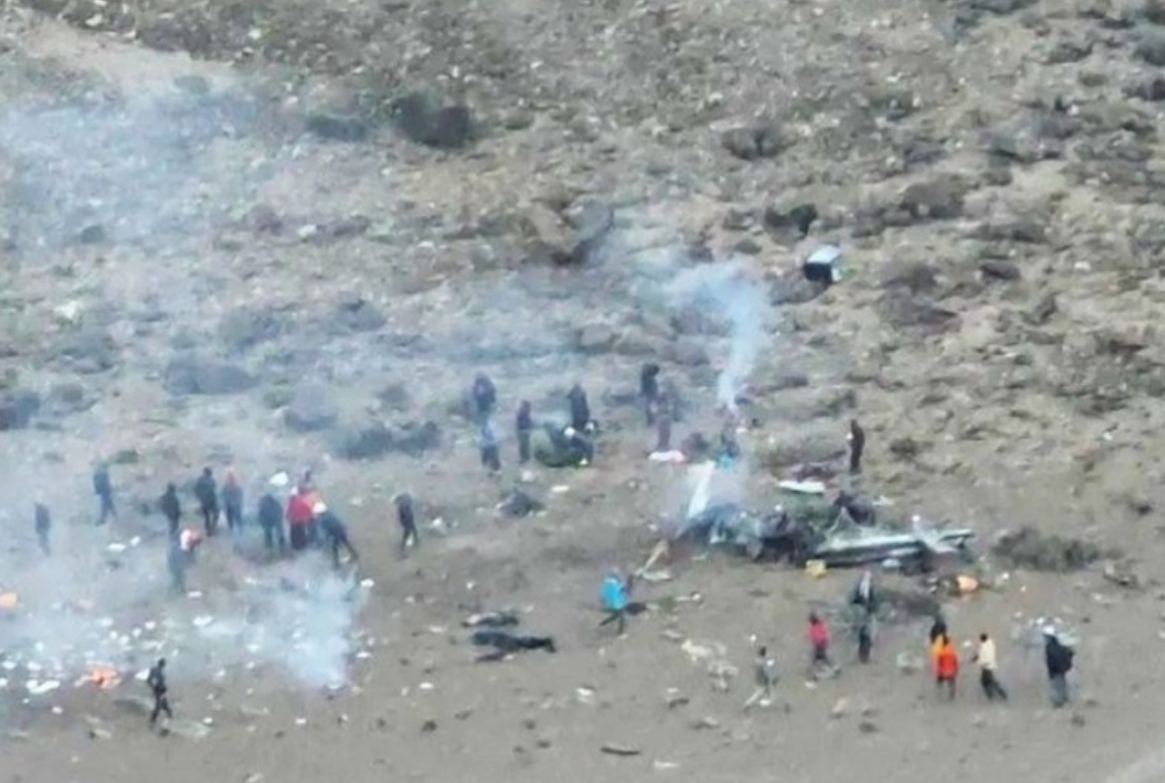

A tragic helicopter crash on Tanzania’s Mount Kilimanjaro has claimed five lives, raising serious concerns about safety during high-altitude rescue operations. Authorities confirmed that the aircraft went down near one of the mountain’s upper camps, turning a routine mission into a fatal incident. As news spread, the tragedy shocked both local communities and the international tourism circle.
Fatal Crash Near High-Altitude Camp
The helicopter crashed close to Barafu Camp, a key stop for climbers attempting the summit. Officials stated that the accident occurred at an altitude between 4,670 and 4,700 metres above sea level. This zone is known for harsh weather, thin air, and difficult flying conditions. Consequently, aviation activity in the area always carries significant risk.
Those killed included two Tanzanian nationals, identified as a mountain guide and a medical doctor. The pilot, a citizen of Zimbabwe, also lost his life. In addition, two tourists from the Czech Republic were among the victims. Authorities later confirmed that all five occupants died at the scene.
Mission Believed to Be Medical Rescue
Local reports indicated that the helicopter was conducting a medical evacuation at the time of the crash. Such missions are common on Kilimanjaro due to altitude sickness and other emergencies faced by climbers. Therefore, helicopters often operate under pressure, racing against time and environmental challenges.
While the exact cause of the crash remains unclear, aviation officials confirmed that an investigation is underway. They aim to determine whether weather, altitude, or mechanical factors contributed to the tragedy. Until findings emerge, officials have urged caution in high-altitude flight operations.
Kilimanjaro’s Popularity and Risks
Mount Kilimanjaro stands as Africa’s highest peak, rising to nearly 6,000 metres above sea level. Each year, around 50,000 tourists attempt to climb the mountain. Although the route does not require technical climbing skills, altitude-related dangers remain significant.
As tourism grows, so does reliance on aerial rescue services. However, this incident highlights the extreme risks pilots and rescue teams face in mountainous terrain. Moreover, it raises questions about operational limits and safety protocols during emergency flights.
Broader Impact and Ongoing Review
The crash has deeply affected the tourism and conservation community. Authorities emphasized that visitor safety remains a priority. At the same time, they acknowledged the need to review rescue procedures. Such steps may help reduce future risks for both tourists and aviation crews.
As investigations continue, this tragedy serves as a sobering reminder of nature’s unpredictability. It also underscores the bravery of rescue personnel who operate in some of the world’s most challenging environments.
