
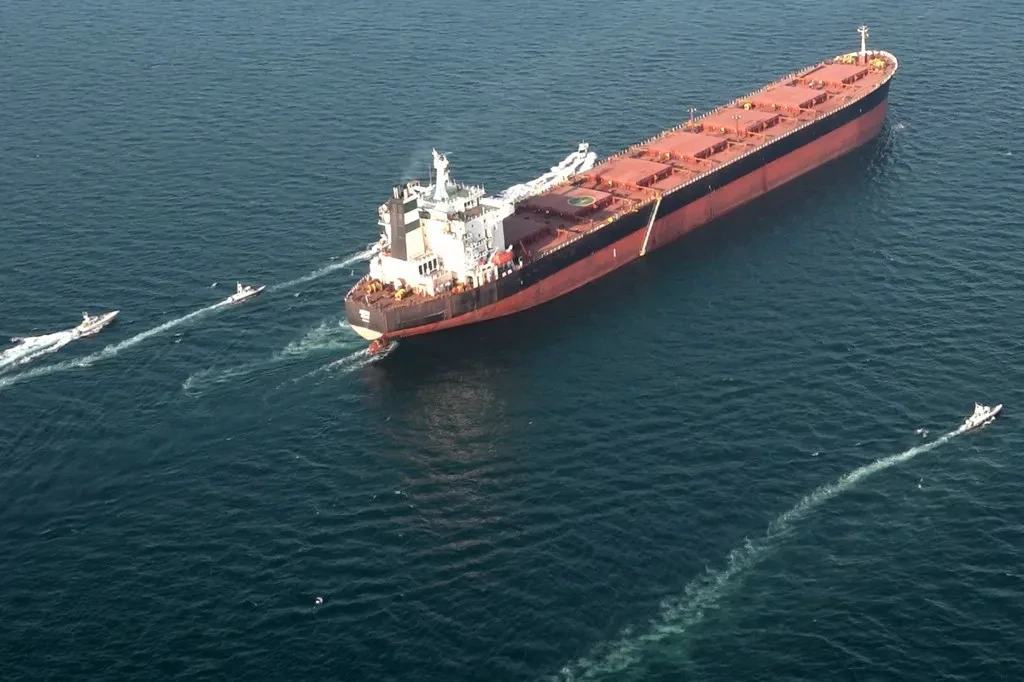

Maritime activities indicated the early signs of improvement in the Strait of Hormuz yesterday after an oil tanker that is not from Iran sailed through the channel. This development follows the implementation of a tenuous ceasefire agreement between Iran and the United States. The reason why experts are carefully watching the developments is that the strait is essential for oil transportation.
Tanker Marks Cautious Return to Strategic Shipping Lane
The MSG ship flying the Gabon flag was carrying about 7,000 metric tons of fuel oil supplied by the United Arab Emirates when it transited through the Strait. The ship is now sailing towards Aegis Pipavav port in India, as per the latest tracking data by MarineTraffic. In addition, the passage of the ship through the strait holds much significance because it comes at a time when a two-week truce period has begun since Wednesday.
In addition, only two ships flying the Iranian flag and six bulk carriers have crossed through the Strait so far since the beginning of the truce period. It implies that commercial ships are still hesitant to sail through the Strait due to the continued tension in the area. However, the passage of the MSG tanker provides some hope for gradual resumption of trade in the future.
Global Oil Markets Watch for Full Reopening
The Strait of Hormuz handles a significant portion of the world’s seaborne oil trade, so even small changes in traffic draw worldwide attention. Analysts point out that sustained safe passage will help stabilize energy prices and ease supply concerns. In addition, shipping firms actively assess risks as they plan future voyages through the area.
This development comes at a delicate time when diplomats work to strengthen the ceasefire and restore confidence in key maritime routes. While the crossing represents progress, experts emphasize that meaningful recovery depends on lasting peace and clear security guarantees for all vessels. Authorities and maritime monitors will continue tracking movements in the coming days to gauge the true impact on global energy flows.

