

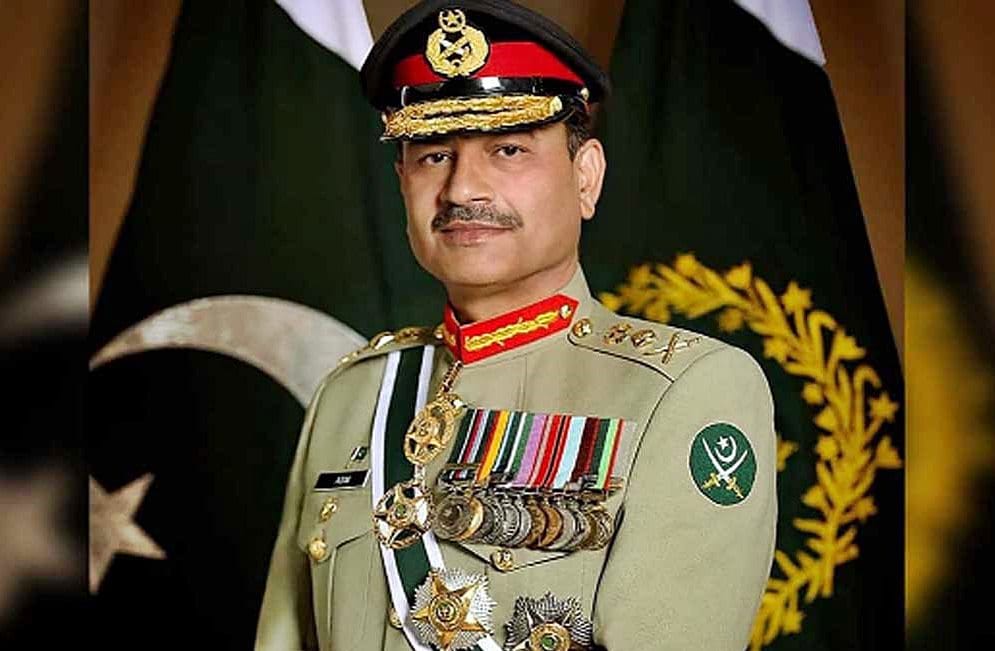

Field Marshal Asim Munir, Pakistan’s army chief, is increasingly becoming a central figure in shifting geopolitics, particularly as the United States redefines its strategic approach to South Asia. Long overshadowed by India’s growing global influence, Pakistan now finds itself once again in Washington’s orbit—driven by mutual interests in trade, counter-terrorism, and Middle Eastern diplomacy.
A revealing sign of this realignment was Munir’s private White House lunch with Donald Trump on June 18, just weeks after Pakistan’s brief military conflict with India. Then came further surprises: Trump publicly criticized India’s economy, imposed 25% tariffs, and praised a new trade agreement with Pakistan. According to The Economist, this shift is emblematic of broader US strategic recalibration, one that may include resuming arms sales to Pakistan, which currently sources the majority of its weaponry from China.
US-Pakistan relations had soured significantly after the 2011 killing of Osama bin Laden in Abbottabad. The final blow came with the US withdrawal from Afghanistan in 2021. But now, with shared interests in regional stability and economic engagement, Washington appears open to rebuilding the partnership—to India’s unease.
Munir’s Influence Grows Amid Political and Strategic Turning Point
At home, Field Marshal Munir is enjoying a surge in popularity following the skirmish with India. With the civilian government now holding a two-thirds parliamentary majority, speculation is swirling about Munir’s growing political power, though Pakistan’s military spokesperson Lt. Gen. Ahmed Sharif Chaudhry dismisses talk of Munir becoming president as “nonsense.”
Munir, the first Pakistani army chief not trained in the West, is known for his Islamic scholarship and piety, having memorized the Quran and studied in a madrassa. Despite this background, he is described as pragmatic, modern-minded, and economically focused, showing admiration for Saudi Arabia’s reformist Crown Prince Mohammed bin Salman.
He is also viewed as more assertive than his predecessor, taking a harder line against India and militant groups operating within Pakistan. His leadership was credited for recent operations against local offshoots of Daesh, which gained him praise from Washington.
American officials are reportedly evaluating Pakistan’s claims that India supports domestic insurgents, though skepticism remains. Nevertheless, the US has resumed select aid, is considering military sales, and has softened criticism of Pakistan’s missile program.
Yet tensions with India persist. While Munir is said to favor dialogue, Prime Minister Narendra Modi has shown no willingness to engage and maintains a zero-tolerance stance on terrorism. In response to potential future conflict, Pakistan’s military warns it would strike “from the east” and “hit everywhere,” underscoring the region’s fragile security.
Ultimately, the future of US-Pakistan relations, and the strategic balance in South Asia, may hinge on one man—and what Field Marshal Munir chooses to pursue next.
