
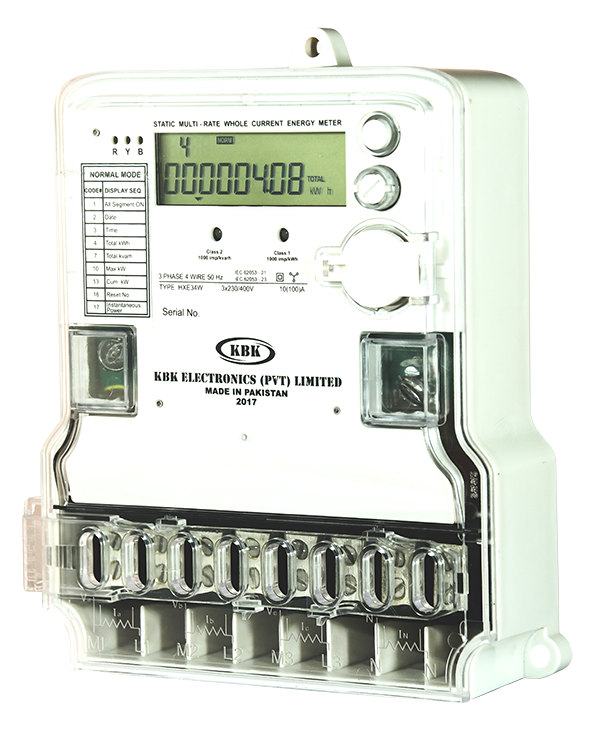

The federal government has prohibited the installation of single-phase electricity meters in five-marla houses, according to a notification issued by the National Electric Power Regulatory Authority (NEPRA) on Tuesday. The move comes as part of amendments to new connection rules, aimed at regulating electricity consumption and ensuring compliance with load requirements.
Under the revised rules, a single-phase meter will only be installed in two-marla double-story houses with a minimum load of three kilowatts. For single-story homes up to two marlas, connections will be granted with a 1.5-kilowatt load. Properties exceeding two marlas will receive a demand notice for a three-phase meter.
The new rules are already being implemented across all power distribution companies, including Lahore Electric Supply Company (LESCO). Previously, domestic consumers were permitted to install single-phase meters even on loads of one or two kilowatts, often bypassing regulatory limits.
With the amendments now in effect, households exceeding the new thresholds will be required to install three-phase meters. Consumers switching to three-phase connections will no longer qualify for the protected category, which provides subsidized billing rates. Once eligibility for the protected category ends, electricity bills will be calculated according to standard tariff rates, reflecting the actual load and consumption.
Officials emphasized that the changes are intended to promote fair distribution of electricity, prevent overloading of residential connections, and align domestic consumption with national energy regulations. Power authorities have urged consumers to comply with the updated rules to avoid penalties or service interruptions.
The government’s decision is part of broader efforts to modernize electricity metering practices and ensure sustainable energy management across urban and semi-urban areas.

