

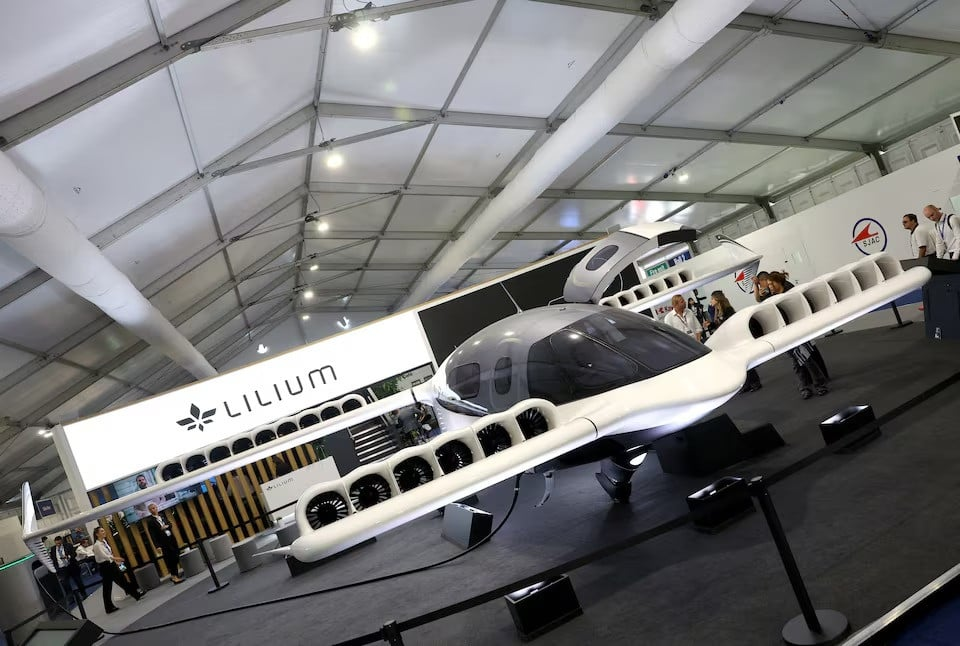

The Farnborough Airshow spotlighted the aerospace industry’s pressing need for skilled workers, as Germany’s Lilium Jet drew significant attention from young engineers and students. The buzz around the flying taxi was notably ignited by a young boy’s curiosity, which led Lilium to open its cabin for visitors, further showcasing the sector’s recruitment challenges.
The Farnborough Airshow featured numerous high-tech projects, emphasizing the industry’s struggle to attract and retain talent. Alex Jordan, Lilium’s head of talent acquisition, noted that the boy’s interest led to a line of visitors eager to explore the innovative aircraft.
Despite the excitement surrounding new technologies, the aerospace sector faces a significant talent gap exacerbated by the pandemic. Jeet Makadia, a 27-year-old recent engineering graduate working on a Rolls-Royce project, highlighted the appeal of aerospace careers. However, the industry continues to grapple with replacing skilled workers lost during the pandemic.
Tushar Subhash Dhulasawant, a 26-year-old engineer focused on control systems and UAV design, pointed out the shortage of aerospace students. This scarcity is intensified by competition from sectors like artificial intelligence, which also require similar engineering expertise.
Paula Hartley, a senior defense executive at Lockheed Martin, stressed the necessity for engineers to be adaptable. Meanwhile, HQW Precision UK in Plymouth, transitioning to offer pre-assembled systems, is in urgent need of application engineers, as noted by business development manager Mark Wakeham.
McKinsey reports an industry unemployment rate of 4.4%, contributing to rising wages and potential losses in productivity. Recruiters emphasize the need for enhanced STEM education, particularly for women and marginalized groups, as a long-term solution to the talent shortage.
Education ministers from the Group of Seven have also raised concerns about STEM access for girls, reflecting broader calls for increased diversity in the field. Despite challenges, young enthusiasts like 13-year-old Vincent Liao remain hopeful. Liao’s ambition to tackle emissions in future engineering designs illustrates a commitment to sustainability among the next generation of aerospace innovators.
