

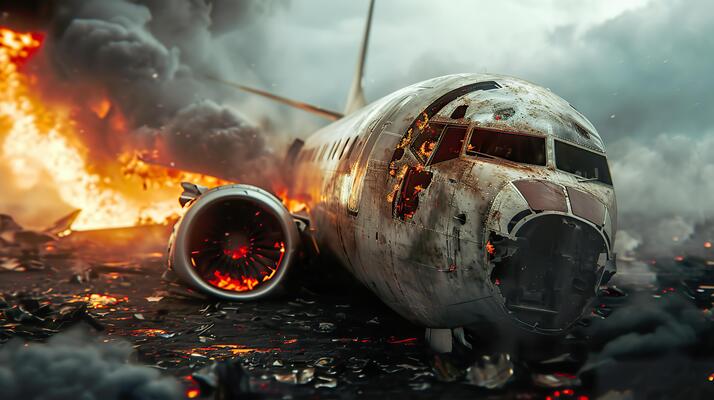

AHMEDABAD: A team from the U.S. National Transportation Safety Board (NTSB) surveyed the charred remains of an Air India crash site on Sunday, as families anxiously awaited DNA results to identify loved ones lost in what is now the world’s deadliest aviation disaster in a decade.
The crash of a Boeing 787-8 Dreamliner shortly after take-off from Ahmedabad on Thursday killed at least 271 people, including around 30 on the ground. The aircraft, bound for London’s Gatwick Airport with 242 people onboard, lost altitude within seconds and exploded in a massive fireball after slamming into nearby buildings. Only one person survived.
Alongside the NTSB, officials from the U.S. Federal Aviation Administration (FAA) also arrived in Gujarat’s capital to assist in the investigation. Sources confirmed the presence of at least 10 officials from various agencies, including Boeing and GE—the manufacturers behind the plane and its engines.
Key questions are being examined, including potential failures involving the aircraft’s engine thrust, wing flaps, and landing gear, which reportedly remained open during takeoff.
U.S. Transportation Secretary Sean Duffy said on Friday that the FAA and NTSB teams were being deployed to support the Indian-led investigation. “We’ll take action should any recommendations come forward from the NTSB’s investigation,” Duffy stated.
Boeing officials are expected to scrutinize technical parameters such as the plane’s angle at landing and system behavior during ascent. India’s aviation regulator has also ordered inspections of all Boeing 787 aircraft currently operating in the country.
For Air India, the crash is a devastating blow as the carrier continues efforts to modernize its fleet. For Boeing, it marks another crisis point in a long struggle to rebuild public confidence following previous safety and production issues.
Meanwhile, in Ahmedabad, the process of identifying victims continues with difficulty. Forensic teams are relying on dental records and DNA profiling due to the severely charred state of many bodies.
“DNA samples of 32 victims have been successfully matched so far,” said Rajnish Patel, additional superintendent at the city’s main hospital. “The identified bodies are being respectfully handed over to their families.”
As grieving relatives wait for closure, the full story behind the tragedy remains under intense investigation—both in India and abroad.
