

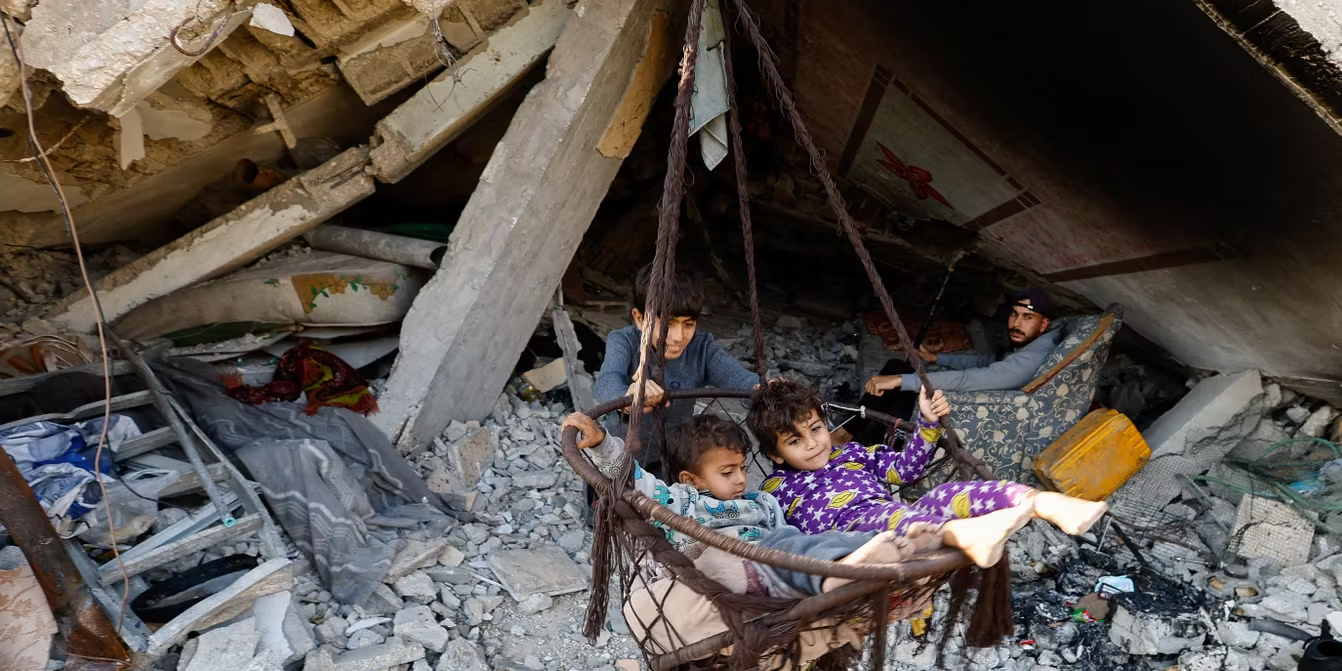

Explosive weapons caused a record number of child casualties in 2024, with nearly 12,000 children killed or injured worldwide, Save the Children reported on Thursday. The figure, based on UN data, is the highest since records began in 2006 and represents a 42% increase compared to 2020.
Historically, children in conflict zones were more likely to die from malnutrition, disease, or failing health systems. However, as modern wars increasingly unfold in urban areas, children are being directly affected by bombs, missiles, and drones targeting hospitals, schools, and residential neighborhoods.
According to the report, more than 70% of child casualties last year were caused by explosive weapons, up from an average of 59% between 2020 and 2024.
Narmina Strishenets, senior conflict and humanitarian advocacy advisor at Save the Children UK, condemned the trend, saying, “The world is witnessing the deliberate destruction of childhood… Missiles are falling where children sleep, play and learn — turning the very places that should be the safest, like their homes and schools, into death traps.”
Children are particularly vulnerable to blast injuries due to their smaller bodies, developing organs, and unique psychosocial needs. Paul Reavley, a paediatric emergency physician and co-founder of the Paediatric Blast Injury Partnership, highlighted that injuries from explosive devices are more severe for children and often require prolonged recovery.
The report identifies Gaza, the occupied West Bank, Sudan, Myanmar, Ukraine, and Syria as the regions with the highest child casualties in 2024. Gaza remains the deadliest conflict zone in recent years, with an estimated 20,000 children killed since the Israeli offensive began in response to Hamas’s October 2023 attacks.
Save the Children’s report emphasizes the urgent need for stronger protections for children in conflict, especially in urban areas where explosive weapons pose disproportionate risks. It underscores the growing humanitarian crisis, as children continue to pay the highest price in modern warfare, often losing access to safety, education, and essential services amidst relentless violence.
