

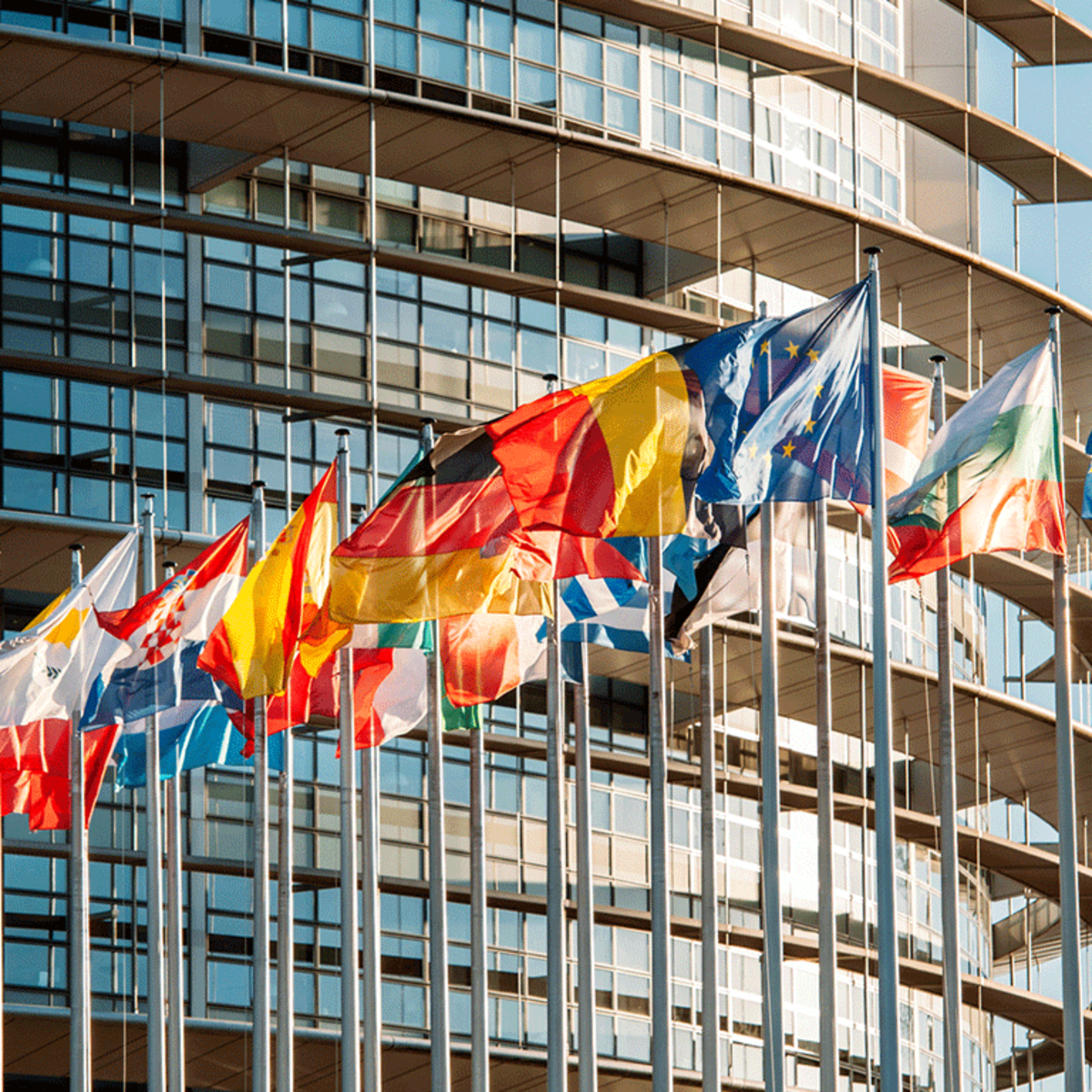

ISLAMABAD: European Union (EU) has a sizable development assistance programme in Pakistan. The total amount of development assistance provided by EU in the form of grant till the year 2021 stands at Euro 1.9 Billion including bilateral and humanitarian assistance. The EU provides grant assistance for Rural Development, Natural Resource Management and Education & Human Resource Development. Some of the non-focal areas of Pak-EU development cooperation are trade and
economic cooperation, democracy, human rights, counter terrorism, security and humanitarian assistance.
The Economic Affairs Division has disclosed this in its 2020-21 Year-Book, which carries details of Pakistan’s economic cooperation with other countries in the world, including the European Union and Paris Club.
a. Instruments of Cooperation
The basis of donor relationship is the MoU signed in 1991 between the Commission of the European Communities and Pakistan. Another agreement entitled Cooperation Agreement was signed between Pakistan and European Community in 2004. Since 2014, EU and Pakistan have signed the Multi Indicative Programme (2014-2020) for Pakistan amounting to € 603 million. EU also came forward with a commitment of € 153.7 million in assistance for COVID-19 , almost all of which has been utilized in Relief activities.
b. Overview of the Portfolio
Currently, the EU has 19 on-going projects including a number of Non-G2G projects
through different NGOs, INGOs and UN agencies.
c. Pakistan – EU Financing Agreements
In December 2020, Pakistan and EUD signed two financing agreements i.e. “Support to the Revival of Balochistan Water Resources (Euro 40 million), Balochistan Education Support – II Programme (Euro 18 million).
d. EU-Pakistan 11th Joint Commission
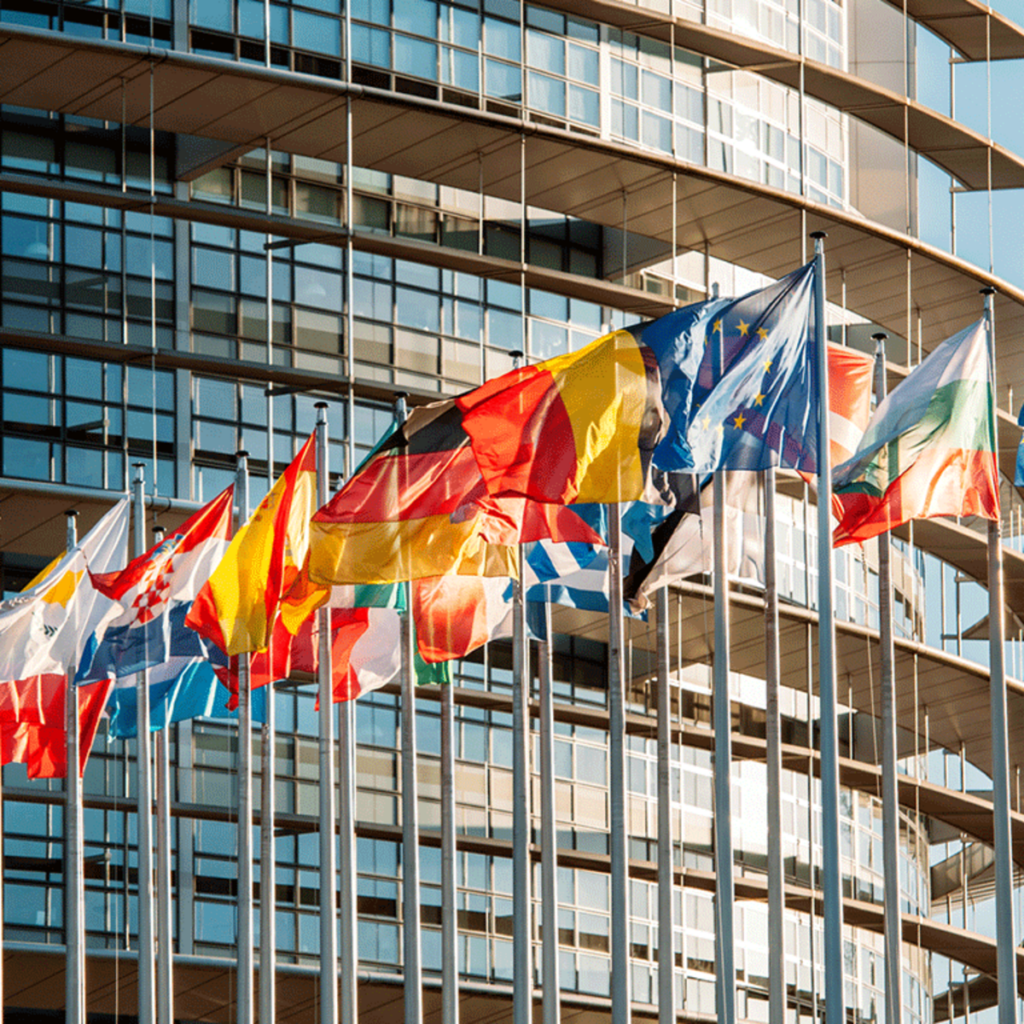
Recently, the 11th Joint Commission between Pakistan and EU was virtually held in Islamabad in June, 2021. It served as a forum to discuss future areas of cooperation, recent economic and political developments in Pakistan and the EU and provided an opportunity to address outstanding issues. The next session is proposed to be held in Brussels in 2022.
GERMANY
Pakistan has been a recipient of German Development Assistance since the founding of German Federal Ministry for Economic Cooperation and Development (BMZ) in 1961. The total development assistance encompassing both technical and financial cooperation since 1961 amounts to € 3.8 billion. The volume of development assistance and priority areas are identified through
biennial Negotiations between BMZ and Ministry of Economic Affairs, held alternately in Berlin and Islamabad. The focus of development cooperation has largely been on KP, FATA, Punjab and G.B. Projects in other areas in the past pertain to Strengthening Civil Law Enforcement in Sindh, Rehabilitation of Vocational Training Centers in Quetta, Baluchistan Water Supply, Water and Sanitation Extension Program in Gilgit-Baltistan etc.
Assistance is focused on the following sectors:
i. Good governance
ii. Renewable energy and energy efficiency
iii. Basic education/vocational training
iv. Health
v. Sustainable Economic Development
vi. Local Governance
The German government stands committed to remain engaged in cross-cutting issues such as gender equality, human rights, corruption and climate change. It also plans to continue support to multilateral organizations, German political foundations, NGOs and private-sector organizations working in these areas.
Overview of Portfolio of Germany:
Since the last Negotiations on Development Cooperation in 2019 the Government of the Federal Republic of Germany committed an additional € 32.25 million for bilateral Technical and Financial Cooperation. The current portfolio includes 54 projects with total commitments of €620.5 million. In June, 2020 Pakistan and Germany signed technical cooperation agreement -2018 (Euro 4 million). In July, 2020 signed the FA” Promotion of Renewable Energies and Energy Efficiencies- Component Gharo “(Euro 27million) and in November, 2020, Three FA were signed
i.e. “Accompanying Measures for Harpo Power Project” (Euro 1.5 million), Polio Eradication Programme-Phase-II (Euro 5 million) and Self -Employment of Women in Private Health Sector
