

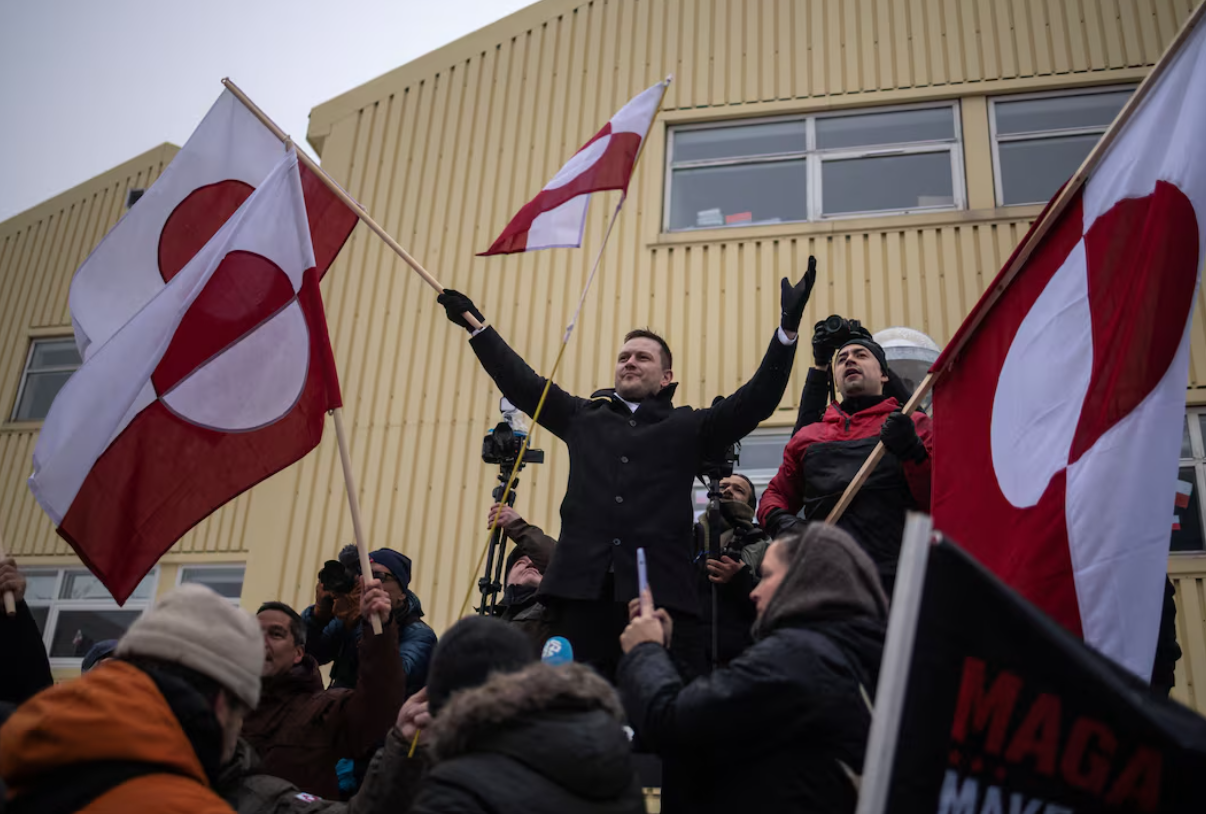

The European Union has stepped up urgent diplomatic efforts to prevent a fresh trade conflict after US President Donald Trump threatened new tariffs linked to Greenland. Meanwhile, EU officials are preparing countermeasures if negotiations collapse, raising the stakes between long-standing allies.
EU ambassadors agreed to intensify engagement with Washington while developing a response plan. The move followed Trump’s announcement that tariffs would rise from February 1 on several European countries. The measures target Denmark, Sweden, France, Germany, the Netherlands, Finland, Britain, and Norway.
The proposed tariffs are tied to US demands related to Greenland, which European leaders have firmly rejected. Several EU states described the threat as economic coercion. As a result, concerns over transatlantic stability have increased.
EU leaders will convene at an emergency summit in Brussels on Thursday to assess options. One proposal involves a tariff package covering €93 billion worth of US imports. This package could automatically take effect on February 6 after a previously agreed suspension expires.
Another option under discussion is the EU’s “Anti-Coercion Instrument.” The mechanism has never been used before. It would allow the bloc to restrict access to public tenders, investments, banking activities, or services trade. The United States currently runs a services surplus with the EU, particularly in digital sectors.
However, EU officials remain divided on deploying this tool. Many favor tariffs as an initial response. Others argue stronger measures may be necessary if pressure continues.
European Council President Antonio Costa said consultations showed strong unity in supporting Denmark and Greenland. He added that the EU stands ready to defend itself against coercive actions. European leaders have emphasized that sovereignty and territorial integrity remain non-negotiable.
Denmark has continued to prioritize diplomacy. Officials pointed to a recently formed working group involving Denmark, Greenland, and the United States. Danish leaders stressed that American institutions extend beyond the presidency and include internal checks.
The dispute is expected to dominate discussions at the World Economic Forum in Davos. Trump is scheduled to address the forum, marking his first appearance there in six years. EU diplomats say dialogue remains essential, although preparations for retaliation continue in parallel.
Market reactions have already emerged. The euro and sterling weakened against the dollar, and analysts expect renewed volatility. Meanwhile, the tariff threat has raised doubts over recent trade agreements between the US and its European partners.
European lawmakers are now reconsidering progress on EU-US trade arrangements. Parliamentary approval processes may face delays as political tensions rise. Some leaders have floated symbolic pressure options, including diplomatic and sporting responses, although no decisions have been taken.
For now, the EU maintains a dual approach. Diplomacy remains active, yet contingency plans are firmly in place. The coming days will determine whether talks can prevent another damaging trade confrontation.
