



The Sidhu Moosewala AI tour is set to launch in 2026, marking a historic yet controversial digital resurrection of the iconic Punjabi rapper. Announced three years after his untimely death in May 2022, the Sidhu Moosewala AI tour will bring his virtual likeness to stages in Indian Punjab, Toronto, London, and Los Angeles. It promises an immersive experience, complete with hologram technology and artificial intelligence designed to make his digital performance appear lifelike.
This isn’t the first time a performer has been digitally recreated—Tupac’s hologram at Coachella in 2012 and Michael Jackson’s posthumous acts come to mind—but the Sidhu Moosewala AI tour is groundbreaking as the first of its kind for a South Asian artist. His global fanbase, still mourning the absence of his voice and vision, is preparing for what some call a long-awaited tribute.
Supporters of the Sidhu Moosewala AI tour see it as a continuation of his impact. On social media, fans praised the team’s efforts to preserve his legacy. One user on X noted, “The way his legacy is managed posthumously is something to admire—powerful, enduring, and smart.” Others mentioned the potential for the tour to offer emotional closure for fans who never saw him live.
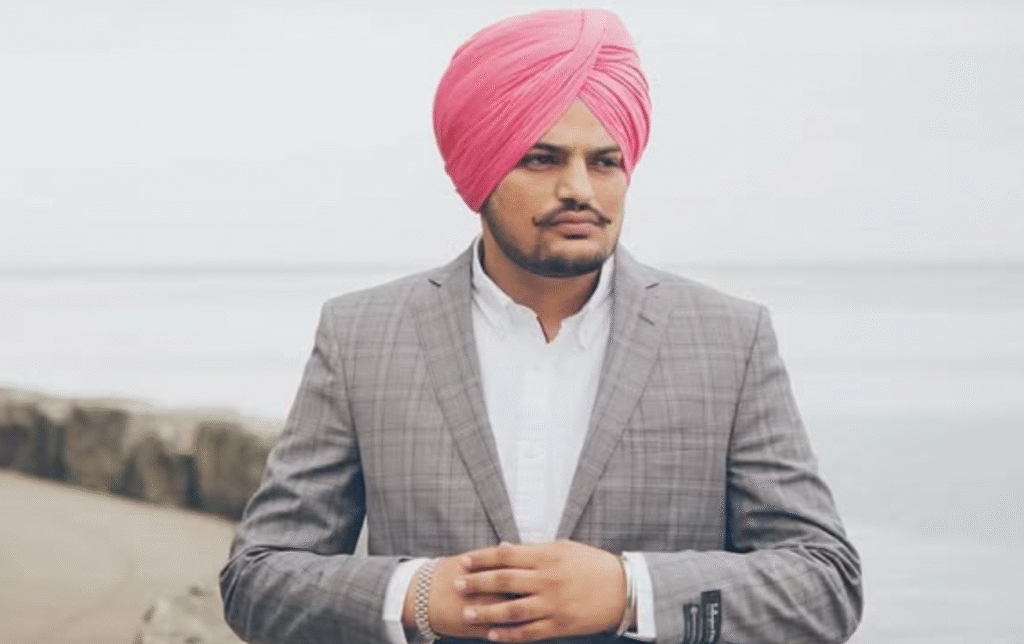
Still, the Sidhu Moosewala AI tour has triggered widespread discomfort. Many fans are questioning whether reviving an artist through technology, especially one as fiercely independent as Moosewala, crosses ethical boundaries. Known for crafting his image with autonomy, Moosewala created his own label and handpicked his visuals. For those who respected that control, this digital version feels inauthentic.
Critics on Reddit and other platforms are calling it exploitation. “This is late-stage capitalism,” one commenter said. “Let the man rest in peace. A hologram cannot express lived pain, rage, or soul.” The Sidhu Moosewala AI tour, while stunning in concept and execution, raises the question of consent—something Moosewala, in life, demanded for every detail of his career.
Despite these criticisms, the Sidhu Moosewala AI tour will likely attract thousands. For many, it offers a final chance to connect with an artist who gave voice to the unheard and stood tall against mainstream filters. But for others, it represents a line being crossed—one that turns legacy into spectacle.
What the Sidhu Moosewala AI tour cannot replicate is the emotional depth behind his lyrics, the cultural defiance in his tone, or the vulnerability in his presence. It is a high-tech mirror, but not the man himself. The debate now is no longer whether we can recreate the dead, but whether we should. And in the case of the Sidhu Moosewala AI tour, that question remains deeply personal.
