

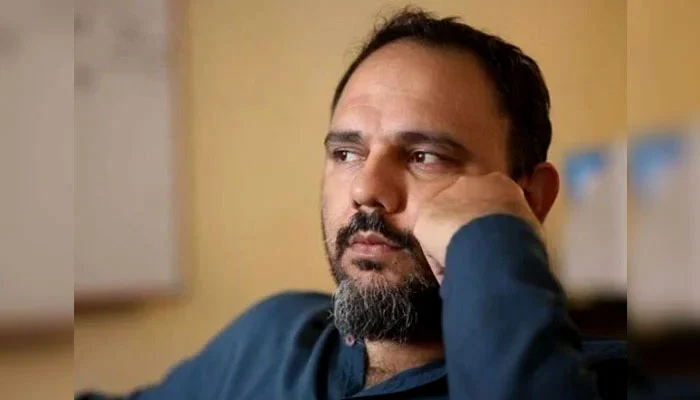

KARACHI: The Sindh High Court (SHC) on Thursday granted bail to renowned filmmaker Jamshed Mehmood Raza, popularly known as Jami, in a defamation case filed by fellow director Sohail Javed.
The court approved Jami’s bail plea against surety bonds of Rs50,000 and ordered his release from custody.
Earlier, a Karachi sessions court had sentenced Jami to two years in prison and imposed a fine of Rs10,000 after convicting him of defaming Javed. The verdict, delivered by Additional Sessions Judge (South) Syed Waqar Hyder, was challenged by Jami before the SHC a day before the bail order.
In his appeal, Jami argued that the charges against him are bailable and that the trial court failed to follow proper legal procedures before announcing its verdict. He maintained the allegations were “false and baseless” and urged the SHC to overturn his conviction and declare the sessions court’s ruling null and void.
The defamation case stems from a private complaint filed by Sohail Javed in 2019. Javed alleged that Jami posted a letter on his Facebook page — attributed to an anonymous girl — which contained claims of sexual assault, implicitly involving Javed. The post, made on February 14, 2019, reportedly went viral, being shared more than 200 times.
Javed claimed he served a legal notice demanding a public apology and the removal of the post on February 18, 2019, but received no response. Instead, the content remained online and was further circulated.
During the trial, Jami denied all accusations under Section 342 of the Code of Criminal Procedure. He stated the letter was handed to him by the organisers of the Lahooti Melo festival, and that he was unaware of its contents at the time of posting. He added that viewers of a video he later uploaded on Facebook mentioned Javed by name, prompting him to delete both the post and his Facebook account.
Jami asserted that he acted in good faith as an activist, filmmaker, and producer, and never intended to defame anyone. He also accused the complainant of providing a false sworn statement.
However, the trial court held that Jami had knowingly and recklessly defamed Javed through public communication. The judge ruled that Jami’s failure to disassociate himself from the viral post, coupled with subsequent commentary, fulfilled the criteria for defamation under Section 500 of the Pakistan Penal Code.
