

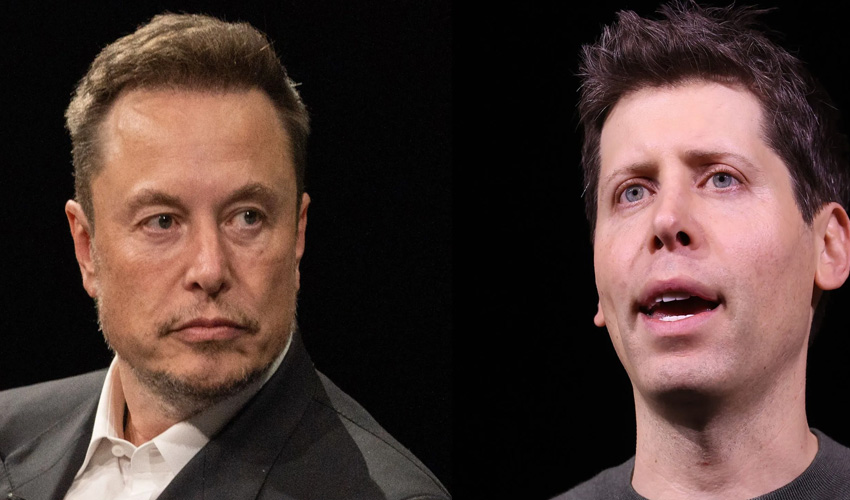

Elon Musk has filed a legal motion in federal court seeking to prevent OpenAI from transitioning into a fully for-profit entity. Attorneys representing Musk, his AI company xAI, and former OpenAI board member Shivon Zilis submitted a preliminary injunction request on Friday. The motion also seeks to stop OpenAI from allegedly requiring investors to avoid funding rival companies, including xAI.
This development marks an escalation in the legal conflict involving Musk, OpenAI CEO Sam Altman, and other prominent stakeholders such as Reid Hoffman and Microsoft.
Musk initially filed a lawsuit against OpenAI in March 2024 in a San Francisco state court, later re-filing it in federal court. Led by attorney Marc Toberoff, Musk’s legal team accuses OpenAI of violating federal racketeering (RICO) and antitrust laws.
In mid-November, Musk’s attorneys expanded the case to include allegations that Microsoft and OpenAI pressured investors to refrain from supporting competitors, blocking funding for xAI. OpenAI denies these claims, calling them baseless.
Musk’s filing argues that OpenAI has leveraged competitively sensitive information and used its partnership with Microsoft to dominate the AI market unfairly. OpenAI, once a non-profit, has evolved into a capped-profit model and is currently transitioning into a public benefit corporation to attract more investors.
Meanwhile, Musk’s xAI has gained momentum since its launch in July 2023, debuting its Grok chatbot and raising billions to expand its operations.
Microsoft, which has invested nearly $14 billion in OpenAI, stepped down from its observer role on OpenAI’s board in July but remains a major backer. The Federal Trade Commission (FTC) continues to scrutinize collaborations between AI developers and cloud providers, including OpenAI, Microsoft, Amazon, and Google.
Despite the rising competition from startups like xAI and Anthropic, OpenAI remains a leader in the growing generative AI sector, which is projected to exceed $1 trillion in revenue within the next decade.
