


Elon Musk
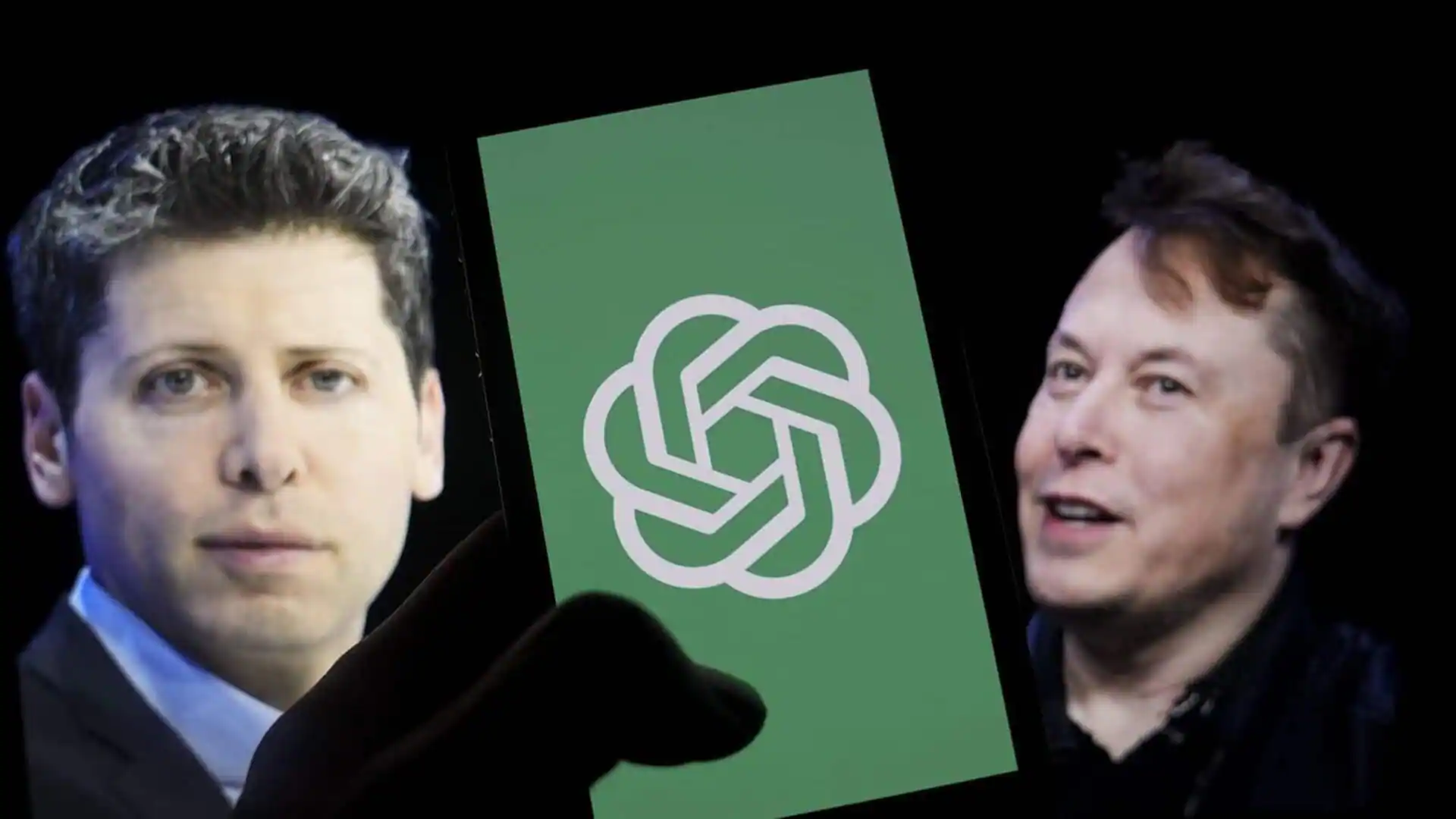
A U.S. judge on Tuesday rejected Elon Musk’s request to block OpenAI from transitioning into a for-profit business, marking a legal setback for the Tesla CEO in his ongoing dispute with OpenAI co-founder Sam Altman.
U.S. District Court Judge Yvonne Gonzalez Rogers ruled that Musk and his artificial intelligence startup, xAI, had failed to demonstrate the necessity of an injunction against OpenAI while the case proceeds to trial. As a result, OpenAI remains free to continue its transition from a nonprofit research organization to a for-profit entity.
Musk had filed a lawsuit in a California federal court, alleging that OpenAI violated antitrust laws and breached the original mission he helped establish as a co-founder. His legal team argued that OpenAI’s shift towards commercialization betrayed the fundamental principles under which he had provided financial support.
According to court documents, Musk’s legal challenge was based on the claim that OpenAI’s leadership, including CEO Altman, had “exploited Musk’s altruism to secure funding” for the organization.
Musk maintained that his contributions were contingent upon OpenAI remaining a nonprofit, citing email exchanges as evidence to support his assertion.
However, Judge Gonzalez Rogers found the evidence unconvincing, stating in her ruling that “whether Musk’s emails and social media posts constitute a writing sufficient to establish an actual contract or charitable trust between the parties is debatable.” While she denied the injunction, the judge signaled her willingness to fast-track a trial on the issue later this year.
The legal battle comes amid heightened tensions between Musk and OpenAI, particularly after the company’s board unanimously rejected a Musk-led offer to acquire OpenAI for $97.4 billion in February.
In a statement posted on Musk’s social media platform X (formerly Twitter), OpenAI Board Chair Bret Taylor made it clear that “OpenAI is not for sale” and dismissed Musk’s attempt to “disrupt his competition.”
Founded in 2015, OpenAI originally operated as a nonprofit dedicated to developing artificial intelligence for the benefit of humanity. Musk, one of its key backers, contributed $45 million in funding before parting ways with the company in 2018. OpenAI later cited a “potential future conflict” with Musk’s growing focus on AI at Tesla as a reason for his departure.
Since then, OpenAI has evolved into a hybrid entity, maintaining its nonprofit status while establishing a for-profit subsidiary to attract investment and support its growing infrastructure needs.
Altman has argued that this structure is crucial for the company’s long-term development, as designing, training, and deploying AI models require significant financial resources.
Musk, who launched his own AI venture, xAI, in 2023, has been vocal in his criticism of OpenAI’s shift towards commercialization, accusing the company of straying from its original mission. The recent court ruling, however, allows OpenAI to continue operating under its current model while the broader legal battle unfolds.
