

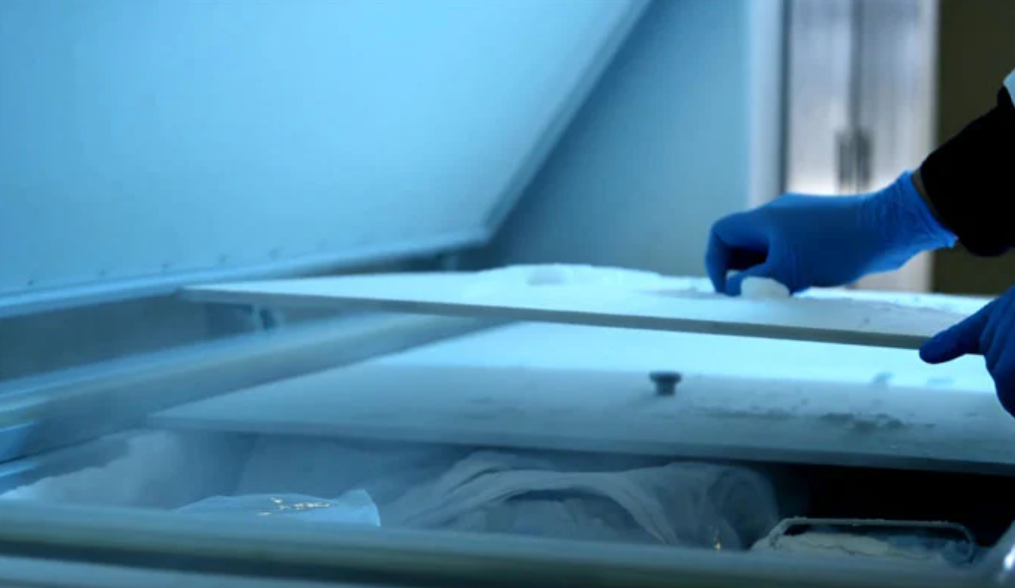

Authorities in Ibaraki Prefecture, northeast of Tokyo, arrested a 75-year-old woman after a shocking discovery in her home. The woman, identified as Keiko Mori, allegedly kept the body of her daughter hidden inside a freezer for nearly 20 years.
Investigators said they located the body of an adult female inside a deep freezer at Mori’s residence. According to police, Mori confessed that the body belonged to her daughter, Makiko, who was born in 1975 and would have been around 50 years old if alive today.
The discovery was made after Mori herself came forward with a relative to report her actions. Police officers who accompanied her to the house found the remains dressed in a T-shirt and underwear, placed in a kneeling position, face-down inside the freezer.
Reasons Behind the Concealment
During questioning, Mori explained that she initially hid the body because a foul smell was filling the house. She claimed that in an attempt to contain the odor, she purchased a freezer and placed her daughter’s remains inside it.
Investigators confirmed that significant decay had occurred, and a detailed autopsy will determine the cause of death. So far, authorities have not disclosed whether the death was natural or suspicious.
Family Background and Circumstances
Reports indicate that Mori had several children, but officials did not release further details regarding their statements to investigators. The elderly woman had been living alone since her husband’s death earlier this month, which may have contributed to her decision to finally reveal the hidden body.
Makiko’s body reportedly remained concealed for close to two decades, raising serious questions about family dynamics, psychological strain, and possible neglect. Police continue to examine the circumstances under which Makiko died and why the concealment lasted so long without discovery.
Legal Action and Ongoing Investigation
Authorities have charged Mori on suspicion of abandoning a body, a crime that carries serious legal consequences in Japan. While the exact penalties will depend on court proceedings, abandonment of a corpse is considered a violation of dignity and law.
The autopsy results will be crucial in determining whether additional charges may be applied, especially if evidence points toward foul play or deliberate negligence. Until then, the case remains under active investigation.
Broader Social Implications
Cases like this highlight the often-hidden struggles faced by families in Japan’s aging society. Elderly citizens living in isolation frequently face overwhelming emotional and social pressures. When combined with grief and mental health challenges, such pressures can lead to tragic and unusual situations.
The arrest has sparked public debate about family responsibilities, mental health support for the elderly, and how authorities can better monitor vulnerable individuals. Experts emphasize that improved social systems and stronger community engagement are needed to prevent similar cases in the future.
The arrest of a 75-year-old Japanese woman who kept her daughter’s body hidden in a freezer for two decades has shocked the nation. While investigators continue to uncover the truth behind Makiko’s death, the case underscores the importance of addressing mental health, social support, and family isolation within an aging population.
