

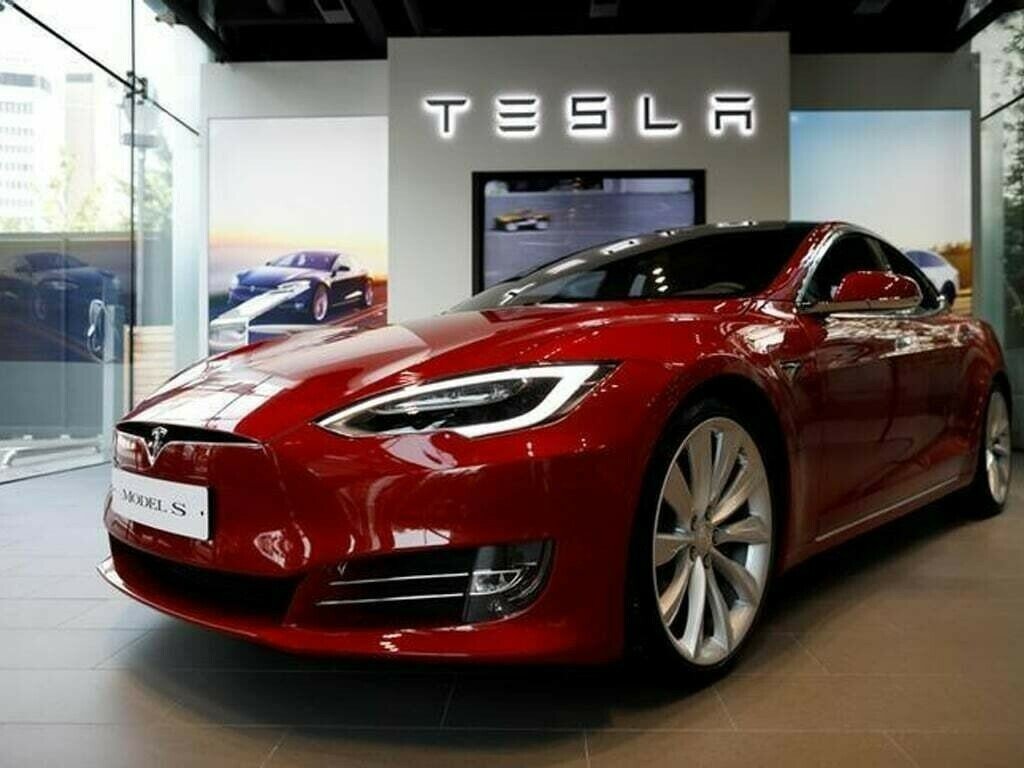

Tesla and BMW have initiated legal proceedings against the European Union (EU) over its recently imposed tariffs on electric vehicles (EVs) manufactured in China.
The lawsuits, filed with the European Court of Justice (ECJ), challenge the EU’s anti-subsidy duties introduced in October 2024. These measures were a result of an EU investigation into Chinese government support for EV manufacturers.
The investigation concluded that Chinese automakers, including Tesla’s Shanghai facility, benefited from subsidies such as low-interest loans, discounted land, and reduced supplier costs. In response, the EU imposed additional tariffs ranging from 7.8% for Tesla to as much as 35.3% for other manufacturers, in addition to the standard 10% import duty.
Tesla’s Shanghai division is among the litigants, alongside BMW and various Chinese manufacturers. While Tesla’s filing does not outline detailed arguments, its lower tariff rate reflects a review that determined it received less government support compared to its competitors.
The case will be heard in the EU’s General Court, with potential appeals to the ECJ. The legal proceedings are expected to span approximately 18 months, during which the future of Chinese-made EV imports to the EU remains uncertain.
These tariffs could significantly impact the European EV market. Reports indicate that Chinese-made vehicles accounted for 20% of EV sales in the EU last year, equivalent to around 300,000 units. The new duties risk disrupting supply chains, increasing consumer costs, and altering market dynamics.
