

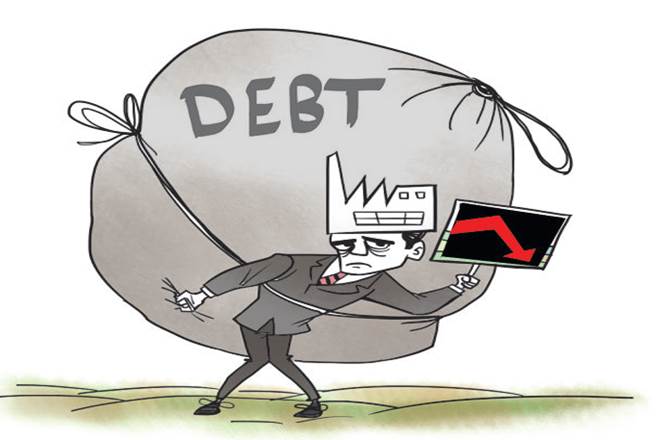

Debt Bomb
Zambia’s President, Hakainde Hichilema, took the stage at the Paris Summit in France, addressing world leaders such as United States Treasury Secretary Janet Yellen and World Bank chief Ajay Banga.
The summit, hosted by French President Emmanuel Macron on June 24, aimed to find solutions to the debt crisis affecting developing nations.
For Zambia, the moment offered some relief. In 2020, the country became the first in Africa to default on its sovereign debt due to the COVID-19 pandemic.

At the summit, major lenders, including China and Western nations, agreed to restructure $6.3 billion of Zambia’s loans as part of an initiative led by the G20.
Hichilema expressed gratitude to France, China, South Africa, and others involved in the negotiations.
However, he emphasized the need for expediting the debt restructuring processes, citing the lengthy two-year negotiations that Zambia had endured.
Hichilema warned that delays in addressing these issues only increased costs and compounded the damage for countries facing similar challenges.
The queue of countries seeking debt restructuring, like Zambia, continues to grow. The majority of low-income developing nations are already in or nearing debt distress.
Additionally, both the United States and China, the world’s largest economies, are projected to experience higher levels of public debt compared to pre-pandemic levels.
Ghana and Sri Lanka followed in Zambia’s footsteps and defaulted on their external debt in 2022, while Pakistan and Egypt are on the brink of default. Pakistan recently secured a $3 billion financing deal with the International Monetary Fund (IMF) on June 30, offering potential short-term relief.
Although global public debt levels have decreased from the peak reached during the COVID-19 pandemic, standing at 92 percent of gross domestic product (GDP) by the end of 2022 (down from 100 percent in 2020), they remain alarmingly high.
While there is currently no evidence of a global contagion caused by the debt crisis, experts in economics and debt management emphasize the urgency for richer countries to act swiftly. They call for the involvement of relatively new creditors, such as China and the private sector, in debt restructuring agreements to facilitate a faster economic recovery and prevent a repeat of the debt crisis experienced by many developing nations in the 1980s, which severely hindered their progress for years.
In summary, the growing debt of low-income countries is cause for concern, but there is no immediate evidence of a global crisis. However, it is crucial for wealthier nations to take prompt action, involving various creditors, to ensure a more rapid and effective resolution of debt issues, avoiding long-term economic setbacks for vulnerable nations.
