


IMF rejects
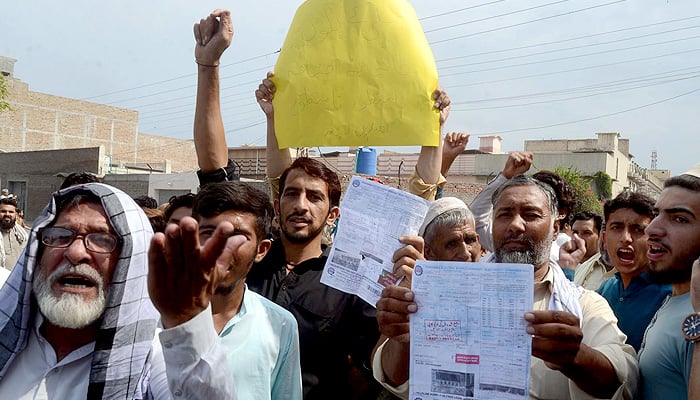
ISLAMABAD: The International Monetary Fund (IMF) has rejected the interim government’s electricity relief plan. The IMF has noted a disparity in the allocated funds for its implementation.
The IMF has sought a revised plan to provide relief to the electricity consumers.
A few days ago, the caretaker government sent a plan to the IMF seeking approval for relief for the consumers.
However, the fund officials have rejected the plan, asking the government to revise it to avoid slippage in revenue.
Interim Prime Minister Anwaarul Haq Kakar has given two different deadlines that expired without a relief to the masses.

IMF rejects government’s plan for giving relief to power consumers.
The government’s assessment indicated that the relief proposed for consumers’ bills would have a revenue collection impact of less than Rs6.5 billion. In contrast, the IMF projected that the plan would result in a revenue collection impact exceeding Rs15 billion, sources said.
Therefore, the IMF has requested Pakistan to provide a plan to bridge the financial gap, which the country is expected to submit once more.
This time, the interim government has assured the IMF that it will adhere to the budget while providing relief to the public. Furthermore, the proposal for bill payments in installments will be reintroduced in discussions with the lender.
Also, read this news:
Afghan women evacuated from Pakistan
France evacuated five Afghan women from Pakistan who were facing threats to their lives.
On Monday, France received five Afghan women who had been “threatened by the Taliban”. Earlier, multiple requests were made to establish a humanitarian corridor for women excluded from public life.
Since the Taliban regained power in August 2021, they have imposed a strict interpretation of Islam. Women are bearing the brunt of laws deemed “gender apartheid” by the United Nations.
Women and girls have been prohibited from attending high school and university, as well as from visiting parks, fairs, and gymnasiums.
Additionally, they have faced significant barriers to working for UN agencies or NGOs, with many losing their government jobs.
Didier Leschi, the chief of French immigration authorities, told media that the government is giving “special attention” to women primarily threatened by the Taliban. Women have their significant roles in Afghan society or close connections with Westerners.
Leschi stated, “This applies to the five women arriving today.”
The group of women includes a former university director, a former NGO consultant, a former television presenter, and a teacher at a clandestine school in Kabul. One of the women was accompanied by three children.
