


CPEC Power
KARACHI/ISLAMABAD: The China-Pakistan Economic Corridor (CPEC) power plants are playing a crucial role in easing Pakistan’s financial burdens by effectively harnessing its coal reserves. It has led to significant reductions in oil and gas expenses.
Over the last 18 years, the percentage of Pakistan’s population with access to electricity only increased by a mere 1.1 percentage points.
However, in just four years, the CPEC power plants, boasting a total capacity of 9,740MW, have substantially expanded this base by 3.8 percentage points.
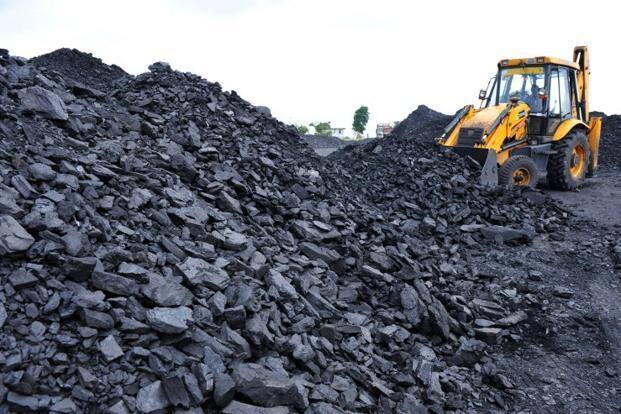
The Thar Block-1 Integrated Coal Mine Power Project, featuring an open-pit coal mine producing 7.8 million tons of lignite annually and a total capacity of 1,320MW, is providing cost-effective energy to millions of Pakistani households.
Gul Hassan, a mining engineer with Sino Sindh Resources (Pvt.) Ltd. (SSRL), noted that the Thar Block-1 project has been instrumental in transforming the lives of people in Thar. Mettis Global reported this development on Thursday.
In addition to these developments, CPEC also includes renewable energy projects involving water and wind, which are helping optimize Pakistan’s energy structure. PowerChina HDEC Engineering Company Limited Pakistan has generated 1888.29 GWh of electricity from 12 projects in Jhimpir, as stated by Peerzada Zain ul Abideen, the O&M manager.
In Gharo, Sindh, Muhammad Saleem Munshi, Chief Financial Officer of Hydrochina Dawood Power (Pvt) Limited, mentioned the area’s strong winds, which can potentially meet 5%-10% of the nation’s power demand if harnessed properly.
CPEC has not only boosted Pakistan’s energy sector but has also stimulated the creation of local jobs. Data from the Chinese Embassy in Pakistan reveals that by the end of 2022, CPEC had generated a total of 236,000 jobs in the country.
Many locals have found opportunities for learning and employment, with engineers, managers, and workers hailing from nearby areas.
The positive impact extends to social and economic development, with $25 billion already invested in various sectors, including energy, IT, and transport under CPEC. In Gharo, Sindh, the Dawood Wind Power Project has enabled the reopening of a closed school, benefiting around 600 families in the area.
Muhammad Saleem Munshi shared how the deserted school had been repurposed as a poultry storage facility, and its revival is now providing education to local children.
