


China’s BRI
China announced on Tuesday that its Belt and Road Initiative (BRI) infrastructure project has generated an impressive two trillion dollars in contracts worldwide. It is equivalent to some of the world’s largest economies.
The China’s State Council released a white paper on Tuesday. It revealed that countries participating in the initiative owe more than $300 billion to the Export-Import Bank of China (Eximbank). While some experts believe this figure is likely understated, it highlights the substantial debts incurred as part of this global infrastructure initiative.
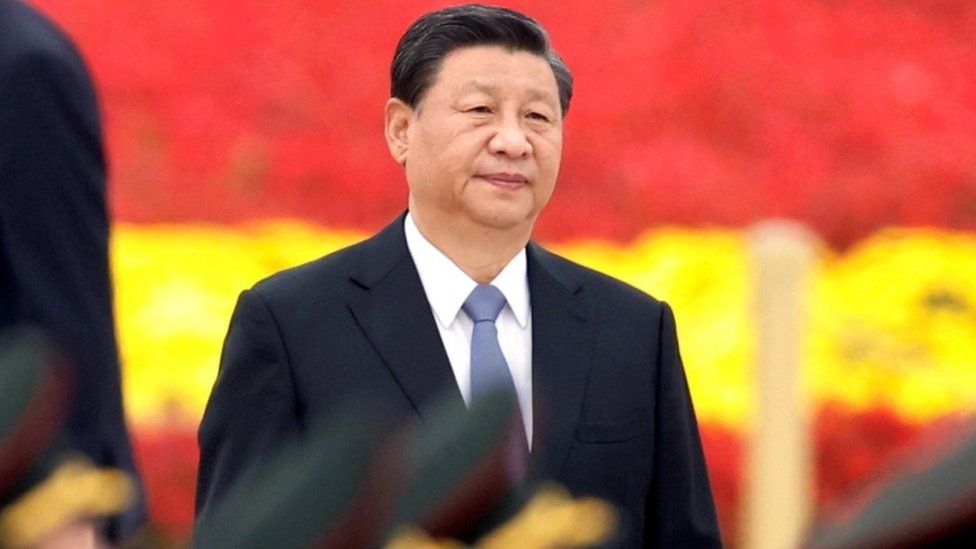
This month marks the 10th anniversary of China’s Belt and Road Initiative, a project that has seen Beijing invest a trillion dollars in projects worldwide, making it a defining geopolitical endeavor for President Xi Jinping.
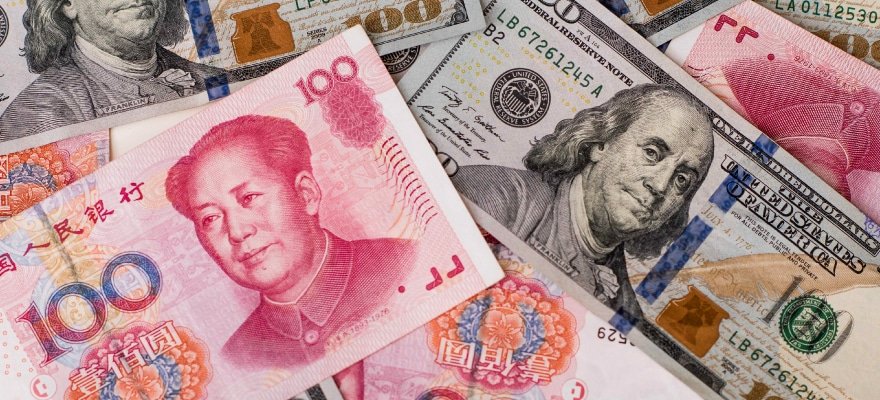
Critics have raised concerns that China may be luring lower-income countries into debt traps by offering massive, unsustainable loans.
According to the announcement, the total value of signed construction contracts with BRI partners now stands at two trillion dollars, roughly equivalent to the economies of Russia or Canada.
Furthermore, the white paper indicated that the actual turnover of Chinese contractors reached $1.3 trillion.
In addition, the balance of loans for BRI projects from Eximbank now amounts to 2.2 trillion yuan (approximately $307.4 billion).
These loans have benefited more than 130 participating countries, driving over $400 billion in investments and more than $2 trillion in trade. This suggests an average debt of approximately $2.4 billion per participating country.
Eximbank has been instrumental in financing major transport and energy projects across the Belt and Road Initiative. The bank extends its foreign loan programs to regions ranging from Africa to Central Asia.
China’s Silk Road Fund, established to support BRI projects, has also signed agreements on 75 projects with a committed investment of about $22 billion, according to the white paper.
While China’s State Council lauds the BRI for delivering tangible benefits to participating countries, many of its partners are becoming increasingly cautious about the associated costs.
China is set to host the third Belt and Road Forum for International Cooperation this month. Russian President Vladimir Putin is scheduled to attend it, marking his first visit to China since the Ukraine invasion. The exact date of the forum has yet to be confirmed.
