

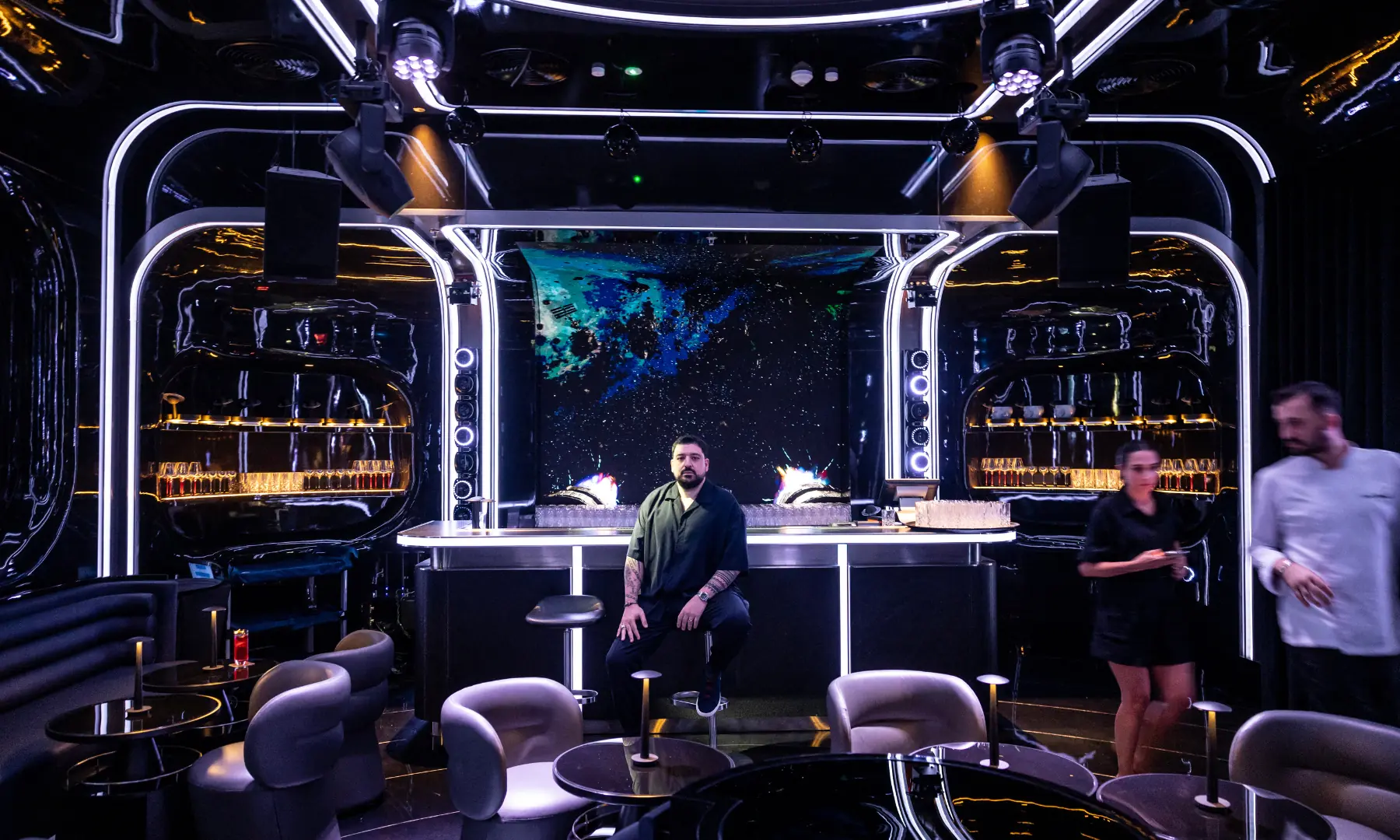

Dubai has welcomed a new restaurant that boasts the world’s “first AI chef,” reflecting the city’s ongoing fascination with futuristic technology and extravagant experiences.
Located in the heart of the emirate’s vibrant culinary scene, Woohoo offers a mix of international fusion dishes, with its menu powered by an AI programme named Chef Aiman. Trained on thousands of recipes and decades of culinary research, Aiman can optimise flavours and balance dishes, although human chefs handle actual cooking and plating.
Some of the AI-generated creations stand out for their audacity, including a “dinosaur tartare,” designed to recreate the taste of extinct reptiles. Using DNA mapping, the dish combines raw meat flavours and is served on a pulsating plate that mimics breathing.
Priced at roughly 50 euros ($58), the dish has left diners both intrigued and impressed. The restaurant also incorporates AI-generated holograms, sci-fi animations, and a giant cylindrical computer serving as the venue’s digital mainframe, controlling lights and smoke effects.
Co-founder Ahmet Oytun Cakir expressed ambitions for Chef Aiman, suggesting it could one day rival human culinary stars like Gordon Ramsay. Turkish chef Serhat Karanfil, who oversees final preparation, noted that adjustments are often made after tasting, blending human judgement with AI suggestions.
Despite the buzz, not all in Dubai’s food scene are convinced. Michelin-starred chef Mohamad Orfali argued that cooking requires “nafas” — a soul or personal touch — which AI lacks. Orfali uses AI only for administrative tasks like scheduling and research, insisting that it cannot truly cook.
Nevertheless, Woohoo has captured public attention and social media fascination, appealing to Dubai diners who embrace extravagant, technology-driven experiences. Visitors describe the concept as creative and the dishes as extraordinary, highlighting the city’s appetite for cutting-edge culinary experimentation.
The restaurant has sparked both admiration and debate, showcasing how AI is pushing the boundaries of gastronomy while raising questions about the role of human creativity in the kitchen.
