

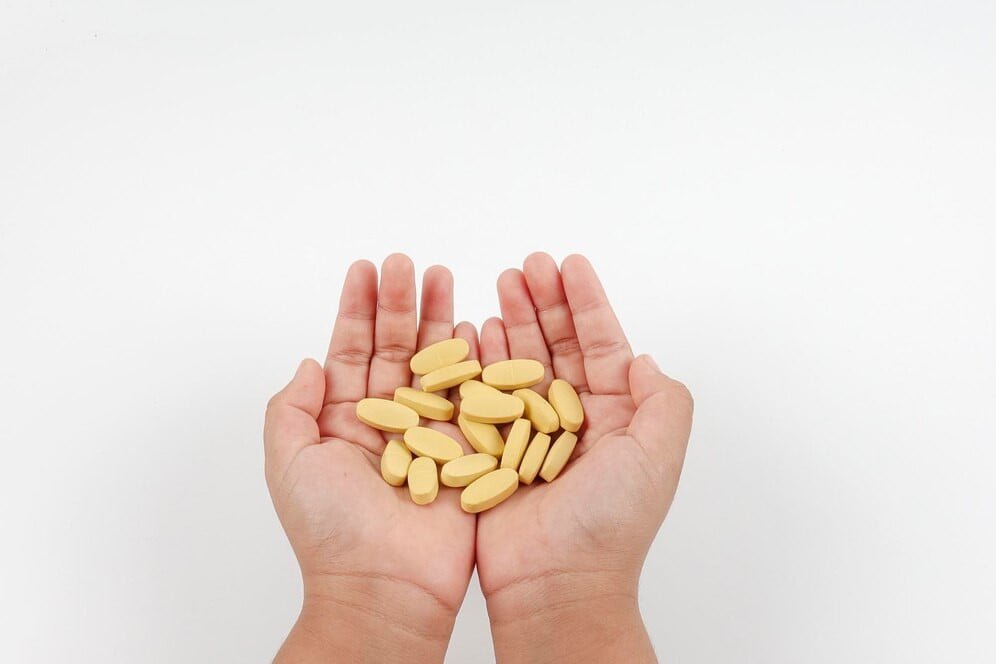

Doctors in Khyber Pakhtunkhwa have urged authorities to impose a complete ban on the sale of wheat pills, citing their extremely high mortality rate and growing misuse in suicide cases. Medical professionals warn that the pills are among the most lethal substances easily available in local markets and pose a serious public health threat.
The demand was formally raised by the director of Mardan Medical Complex, Dr Gulzar Ahmad Khan. He wrote a letter to the divisional commissioner on Friday, calling for an immediate ban on wheat pills in the region. He also recommended extending the ban across the entire province in the public interest.
Dr Khan said wheat pill poisoning has become a frequent medical emergency. He warned that nearly 90 percent of reported cases result in death. According to him, the increasing availability of the substance has made it a common method for suicide, with devastating consequences for families and healthcare workers.
Doctors Warn Wheat Pills Cause Rapid Multi-Organ Failure
In his letter, Dr Khan explained that wheat pills contain aluminum phosphide or zinc phosphide. These chemicals are used as rodenticides and fumigants to protect stored grain. However, they are extremely toxic to humans. Even a small amount can prove fatal.
He said the substance causes rapid and severe poisoning. It leads to massive failure of vital organs, including the heart, lungs, liver, and kidneys. Dr Khan added that there is no specific antidote available for wheat pill poisoning. Doctors can only provide supportive treatment, which often fails to save patients.
Emergency department doctors across the province echoed these concerns. They said aluminum phosphide is a highly toxic inorganic compound. When it comes into contact with moisture or stomach acid, it releases phosphine gas. This gas is extremely poisonous and spreads quickly through the body.
Medical staff said phosphine gas damages the heart and disrupts the nervous system. It also causes severe respiratory distress. Because of its danger, the compound requires strict licensing and careful handling. Doctors said such controls are currently lacking in many areas.
A senior medical officer said hospitals regularly receive patients who have consumed wheat pills. Many arrive in critical condition. He said survival depends on how quickly the patient reaches a hospital, but even timely care does not guarantee recovery.
Women Most Affected as Suicide Cases Rise
Doctors reported that most victims are women. They said wheat pills are often available in farming households, making access easy. Some women who survived suicide attempts later revealed disturbing details.
The medical officer said several survivors reported being forced to ingest the pills by male family members. He said banning the substance would remove an easy and deadly means of abuse and self-harm.
Doctors believe restricting access could significantly reduce suicide deaths. They urged authorities to treat the issue as both a medical and social emergency.
Farmers Oppose Complete Ban, Seek Strict Regulation
Farmers have raised concerns about a total ban on wheat pills. They agree the substance is dangerous but say it plays a critical role in agriculture. Growers argue that strict regulation would be more effective than an outright ban.
They said wheat pills are one of the most effective tools for protecting stored grain from insects and rodents. This is especially important in large warehouses and rural storage facilities. Farmers warned that banning the product could lead to major crop losses.
One grower said pest damage could increase sharply. This could affect food security and push wheat prices higher. Farmers urged the government to restrict sales rather than ban the product entirely.
They suggested limiting sales to licensed users, registered godowns, and flour mills. They also called for banning loose sales and allowing only sealed, clearly labelled packaging. Farmers recommended strict monitoring, heavy fines, and jail terms for illegal sellers.
They also urged authorities to promote safer alternatives and conduct training sessions until affordable substitutes become widely available.
