
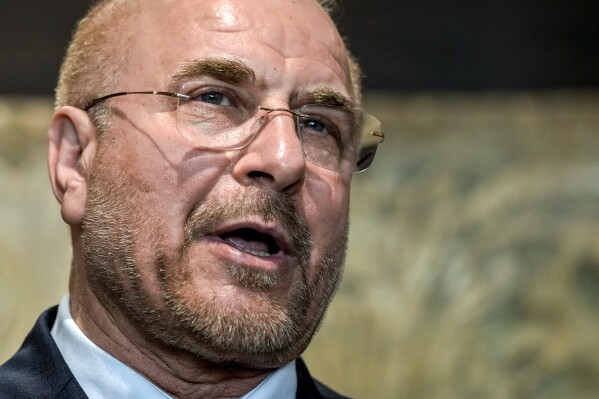

Direct talks between Iranian Parliament Speaker Mohammad Bagher Ghalibaf and US Vice President JD Vance in recent hours played a key role in securing the ceasefire agreement between Iran and its adversaries, according to sources in Tehran.
The reported communication marks a significant diplomatic development amid heightened regional tensions and suggests previously undisclosed backchannel engagement between Washington and Tehran during the latest phase of the conflict.
Sources familiar with the matter said the discussions helped bridge final gaps in negotiations and paved the way for the ceasefire announcement that followed shortly afterward.
Backchannel Diplomacy Emerges
Although neither Washington nor Tehran has officially confirmed the talks, the reported contact indicates that senior officials on both sides remained engaged behind the scenes despite escalating military confrontation.
Analysts say the involvement of Ghalibaf, one of Iran’s most influential political figures, suggests Tehran relied on top-ranking insiders to manage sensitive negotiations during the crisis.
Meanwhile, Vance’s participation would represent one of the highest-level direct US-Iran contacts in recent years if confirmed.
Ceasefire Faces Ongoing Questions
Despite the diplomatic breakthrough, uncertainty continues over the durability of the ceasefire as reports of continued missile launches and military operations persist across the region.
Security analysts have warned that fragmented command structures and autonomous armed units could complicate enforcement on the ground even after political leaders reach agreements.
Nevertheless, the apparent success of direct talks between senior Iranian and US officials has raised hopes that diplomatic channels remain open and could help prevent broader escalation.
Observers say the reported engagement may also signal a shift toward more pragmatic crisis management by both sides following weeks of conflict.

