

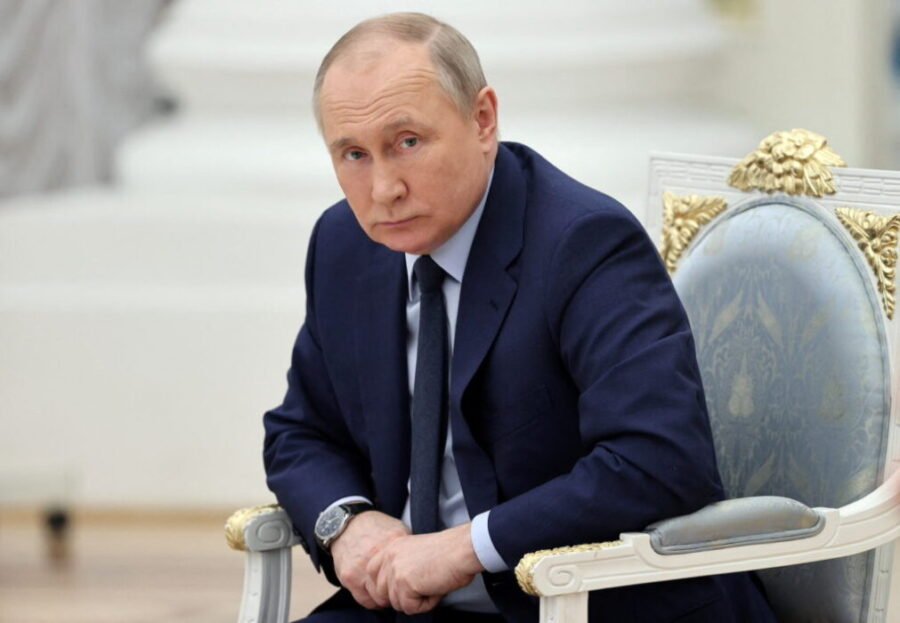

Tensions between Russia and Ukraine escalated again on Monday after Moscow accused Kyiv of attempting a drone attack on President Vladimir Putin’s residence. Russia claimed the alleged incident took place in northern Russia. However, no evidence was provided to support the accusation. Ukraine strongly denied the claim and called it baseless propaganda aimed at sabotaging peace talks.
The fresh war of words has further damaged already fragile prospects for negotiations to end the conflict. The exchange came at a sensitive moment, as diplomatic efforts involving the United States appeared to be gaining momentum.
Russia Claims Drone Attack, Threatens Retaliation
Russian Foreign Minister Sergei Lavrov alleged that Ukraine launched a large-scale drone attack targeting Putin’s residence in the Novgorod region. According to Lavrov, 91 long-range drones were used during the night of December 28–29. He said all drones were intercepted by Russian air defenses.
Lavrov claimed there were no casualties or property damage. He described the alleged operation as an act of “state terrorism.” He warned that such actions would not go unanswered. Lavrov stated that Russia’s armed forces had already selected targets for retaliation.
Despite the serious nature of the accusation, Russian officials did not present any evidence publicly. It also remained unclear whether President Putin was present at the residence at the time of the alleged attack.
Lavrov added that the incident occurred during discussions on a possible peace agreement. He said Russia would review its negotiating position but would not withdraw from talks altogether. An aide later said Putin had discussed the matter with US President Donald Trump by phone.
Ukraine Denies Allegations, Accuses Russia of Manipulation
Ukrainian President Volodymyr Zelenskiy rejected Russia’s claims outright. He said the accusations were fabricated and politically motivated. Zelenskiy accused Moscow of spreading lies to derail diplomatic progress.
“This is another round of lies from the Russian Federation,” Zelenskiy said in remarks shared with reporters. He suggested Russia was preparing the narrative to justify future strikes on Kyiv. He warned that government buildings and the capital could be targeted.
Zelenskiy linked the timing of the accusations to his recent meeting with President Trump in Florida. He said progress in US-Ukrainian talks frustrated Moscow. According to Zelenskiy, Russia does not want the war to end if it loses leverage.
Ukrainian Foreign Minister Andrii Sybiha echoed the denial. Writing on X, he said the alleged drone attack was a fabrication. He accused Russia of seeking a pretext for further aggression. He urged international leaders to condemn Moscow’s claims and protect the peace process.
Peace Talks Face Obstacles Over Territory and Security
The dispute comes as diplomatic efforts intensify. On Sunday, President Trump said the US and Ukraine were close to a deal to end the war. He said progress had been made, though territorial issues remained unresolved.
Zelenskiy said a bilateral framework on security guarantees had been outlined. He later revealed he was seeking a long-term, 50-year security arrangement. Trump said European countries would be expected to take a larger role in Ukraine’s security, with US support.
Territorial disputes remain the biggest obstacle. Russia controls around 20% of Ukraine, including Crimea. Moscow also claims Donetsk, Luhansk, Zaporizhzhia, and Kherson regions. These areas are internationally recognized as Ukrainian territory.
Russia wants Ukrainian forces to withdraw from parts of Donetsk still under Kyiv’s control. Ukraine wants fighting frozen along current front lines. The US has proposed economic incentives tied to troop withdrawals.
Putin Signals Continued Military Push
Underscoring Russia’s stance, Putin told his generals to press ahead in the Zaporizhzhia region. Russia currently controls about 75% of the area. Military commanders told Putin they were just 15 kilometers from the regional capital.
Putin ordered continued offensive operations. His remarks suggested little flexibility on territorial ambitions. The comments further cloud hopes for a near-term ceasefire.
As accusations and counterclaims grow, the path to peace remains uncertain.
