

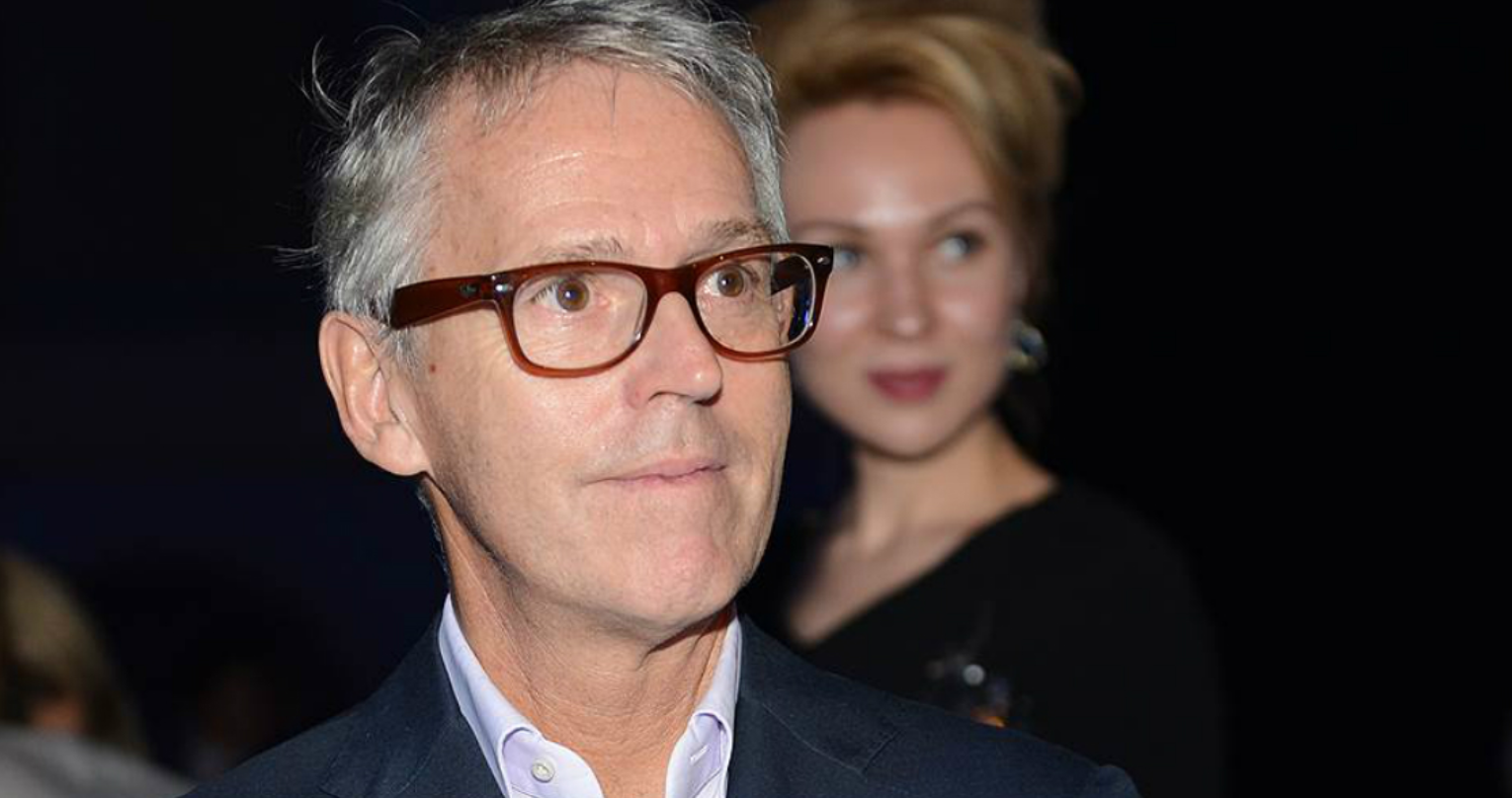

Derk Sauer, the influential Dutch media entrepreneur and founder of The Moscow Times, passed away at the age of 72 due to injuries sustained in a sailing accident a month prior. His family confirmed his passing, noting he had been on the water with his wife, Ellen Verbeek, when the accident occurred.
Born in Amsterdam in 1953, Sauer spent his early years involved in leftist activism before transitioning into journalism. He began his media career with Dutch newspapers and broadcasters and eventually made a bold move in 1989 by relocating to Moscow with Verbeek. This period marked the closing chapter of the Soviet Union, and Sauer was determined to witness history in the making.
“Many people thought we were crazy,” Sauer once said in an interview with a Dutch publication. “But I’m a journalist. The end of the Soviet regime was by far the most important societal development in my lifetime. If you can witness that firsthand, what more could you ask for?”
In 1992, Sauer founded The Moscow Times, an English-language newspaper aimed at the burgeoning expatriate community in post-Soviet Russia. Under his guidance, the publication quickly gained a reputation as a reliable and independent news source, not only for foreigners living in Russia but also for international readers seeking insight into the country’s evolving political and economic landscape. The paper also served as a launchpad for numerous journalists who later went on to prominent careers in international media.
That same year, Sauer and his business partner Annemarie van Gaal launched Independent Media, a company that brought several major Western magazine brands to Russian audiences. These included the Russian editions of Cosmopolitan, Playboy, FHM, Harper’s Bazaar, Esquire, Men’s Health, and Good Housekeeping, introducing a new era of lifestyle journalism in the country.
In 1999, Sauer co-founded Vedomosti, which emerged as one of Russia’s most respected business newspapers. He also served as a director at RBC, another leading financial media outlet in the country. His efforts helped shape a generation of Russian media platforms at a time when the country was undergoing profound transformation.
Sauer maintained a strong presence in Dutch media as well. He regularly contributed columns to the Dutch newspaper Het Parool and was a frequent guest on television, offering commentary on global affairs and media trends.
After selling The Moscow Times in 2005, Sauer returned in 2017 to reacquire and relaunch the paper as a digital-only news outlet. This move ensured its continued operation amid growing challenges to press freedom in Russia. Despite increasing government censorship, The Moscow Times continued publishing from Moscow until March 2022. The implementation of wartime censorship laws forced Sauer and his team to relocate the newsroom to Amsterdam.
In exile, Sauer remained committed to supporting independent Russian journalism. He facilitated the relocation of other prominent media outlets such as TV Rain (Dozhd) and the independent Russian news platform Meduza to Amsterdam, helping create a hub for free press outside of Russia.
Sauer is survived by his wife and their three sons. His legacy is remembered not just for his contributions to journalism but for his tireless advocacy for press freedom. His son, Pjotr Sauer, now a journalist with The Guardian, noted on social media, “He dedicated his life to defending independent Russian media. In his final days, he asked that people continue to support the free press.”
