

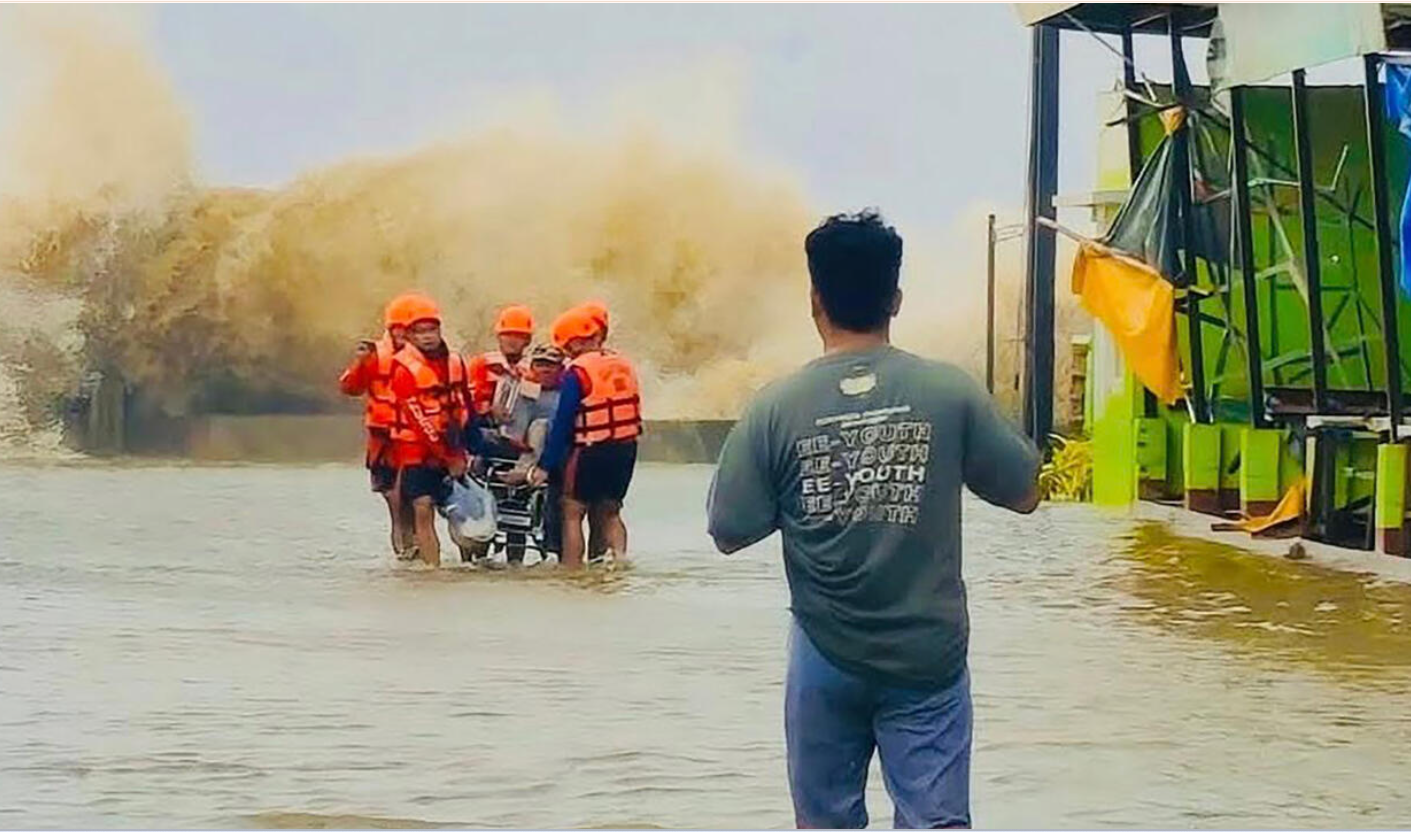

The Philippines continues to grapple with the aftermath of Severe Tropical Storm Bualoi, which has left 11 people dead and forced hundreds of thousands into evacuation centres. The storm battered central regions of the country before moving toward Vietnam, bringing widespread flooding, damaged infrastructure, and destroyed homes.
Widespread Damage in Central Philippines
On Friday, Bualoi struck several small islands in the central Philippines with powerful winds and heavy rain. Trees and electricity pylons were toppled, while roofs were ripped from homes and low-lying areas submerged under floodwaters. The provincial disaster office confirmed that Biliran Island was among the hardest-hit locations. At least eight residents lost their lives there, while two more remain missing. Officials reported that roads were still under water the following morning.
Despite the devastation, improving weather allowed some evacuees to begin returning home. However, many communities continue to face severe disruptions. Across the storm’s path, more than 200,000 people remained in evacuation centres, highlighting the scale of displacement caused by the cyclone.
Fatalities Across Multiple Islands
In addition to Biliran, fatalities were also reported in Masbate and Ticao Islands. At least two victims were crushed when strong winds brought down a tree and a concrete wall. The civil defence office reported that a total of 14 individuals are still missing across the central Philippines, although details remain scarce.
The storm struck just days after Super Typhoon Ragasa swept through northern Philippines, leaving 14 people dead. The back-to-back disasters underscore the nation’s vulnerability to extreme weather.
Storm’s Path Toward Vietnam
By Saturday, Bualoi had intensified to typhoon strength while moving across the South China Sea. Sustained winds reached 120 kilometres per hour (75 miles per hour), raising concerns for its next target. Forecasts indicated the storm would approach the coast of central Vietnam by Sunday afternoon, threatening additional flooding and destruction in the region.
The Philippines experiences an average of 20 storms and typhoons annually, many of which cause catastrophic loss of life and property. Millions of residents live in vulnerable, low-income communities where infrastructure is unable to withstand repeated disasters.
Climate Change Intensifying Storms
Experts warn that human-driven climate change is making storms more intense. Warmer ocean temperatures and shifting weather patterns increase the frequency of heavy rainfall and destructive winds. For countries like the Philippines, this means already fragile communities are now even more at risk.
Public Anger Amid Disaster
The devastation also comes at a time of heightened public frustration. Anger has been rising over allegations of fraudulent flood-control projects that cost taxpayers billions of pesos. Thousands of citizens staged demonstrations over the issue. Initially peaceful, the protests later turned violent, with several police vehicles set on fire and windows at a precinct shattered.
The dual crisis of natural disaster and political scandal has deepened public unease. As Bualoi moves away, attention remains focused not only on recovery and missing persons but also on the need for transparency, accountability, and stronger disaster preparedness.
