

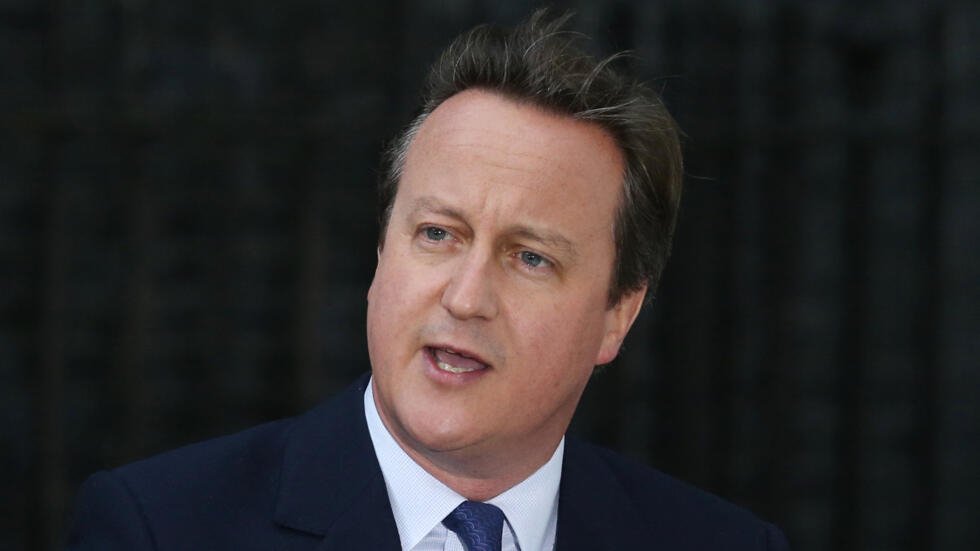

Cameron
LONDON: In an unexpected development, former UK Prime Minister David Cameron returned to the forefront of politics after being appointed Foreign Secretary by current British leader Rishi Sunak in a government reshuffle.
Cameron, who led the UK from 2010 to 2016 and resigned following the Brexit referendum defeat, took over from James Cleverly, who was unexpectedly appointed as Interior Minister.
Cameron’s return to political prominence follows the controversy surrounding the collapse of Greensill, raising questions about the influence former leaders can wield over government policy.
In 2020, Cameron had come under scrutiny for repeatedly contacting senior ministers to advocate for the now-failed firm.
In a noteworthy move, Sunak’s office announced that King Charles had granted approval for Cameron to be given a seat in the House of Lords, the upper chamber of the British Parliament.
This enables Cameron to re-enter the government as a minister, despite no longer holding an elected position in the House of Commons.
Earlier,
British Prime Minister Rishi Sunak dismissed his Interior Minister, Suella Braverman, on Monday, following her critique of the police’s handling of a pro-Palestinian march. A government source revealed that Sunak requested Braverman to “leave government,” a decision she accepted.
The Foreign Secretary James Cleverly would assume her position.
In the midst of reshuffling his ministerial team, former Prime Minister David Cameron’s entrance into Downing Street fueled speculation about his potential return to government.
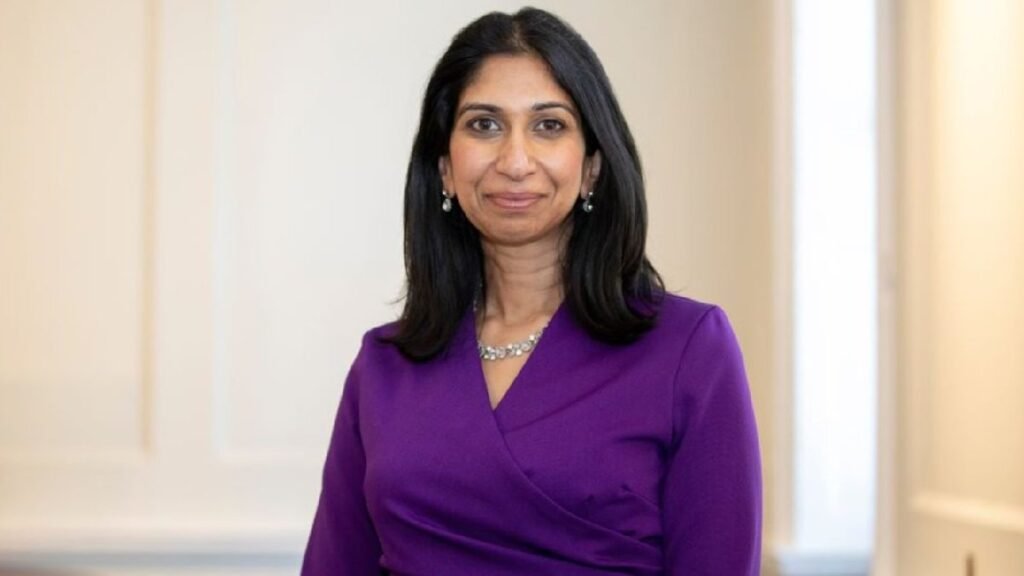
Braverman had defied Sunak the previous week by publishing an article accusing the police of “double standards” in their treatment of protests.
This stance, according to the opposition Labour, heightened tensions during a pro-Palestinian demonstration where over 140 people were arrested due to clashes between far-right counter-protesters and the police, who sought to separate them from the 300,000 pro-Palestinian marchers.
Sunak is anticipated to make broader changes in his cabinet, bringing in allies and removing ministers who, according to his Downing Street office, have not met performance expectations in their respective departments.
The rift between the government and London’s police chief over the handling of the pro-Palestinian march has escalated, with accusations that officers took a softer stance towards left-wing causes.
A clash between the government and police arose over plans for a demonstration in London on Armistice Day, with Sunak holding the force accountable for any trouble. Despite police stating there was insufficient reason to ban the march, Sunak deemed it disrespectful.
