

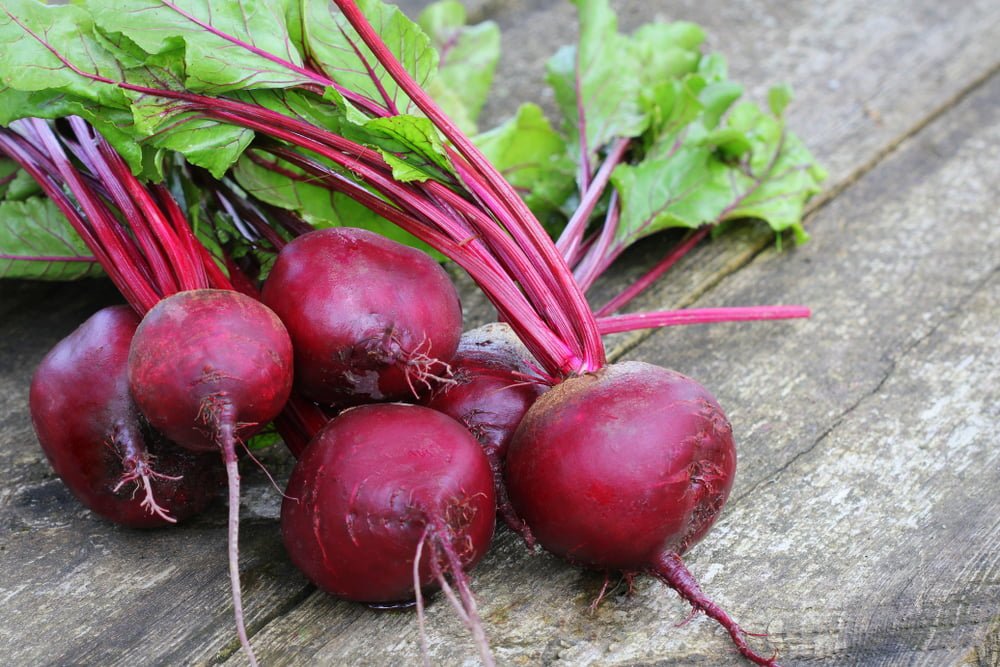

A new study has found that drinking beetroot juice daily may significantly lower blood pressure in older adults and could also reduce the risk of dementia.
Conducted by researchers at the University of Exeter, the study examined how the nitrate-rich properties of beetroot juice benefit both cardiovascular and cognitive health. Participants in their seventies who consumed the juice daily for just ten days experienced a notable drop in blood pressure, bringing their readings into a healthy range.
How Beetroot Juice Works in the Body
Beetroot is high in nitrate, which the body converts into nitric oxide – a compound that helps relax and widen blood vessels, promoting better blood flow and reducing the risk of hypertension and heart disease. As people age, their ability to naturally produce nitric oxide decreases, making dietary sources increasingly important.
Lead researcher Professor Anni Vanhatalo encouraged older adults to include more nitrate-rich vegetables in their diets, such as spinach, celery, cabbage, rocket, and beetroot, to support cardiovascular health.
The study also found that beetroot juice alters the oral microbiome. Older participants showed an increase in Neisseria, a beneficial type of bacteria that supports the conversion of nitrate into nitrite – a precursor to nitric oxide. At the same time, there was a reduction in Prevotella, a bacteria linked to increased mortality in older adults.
Dementia Link and Broader Health Impacts
Researchers believe the improved nitric oxide levels may also benefit brain health, potentially lowering the risk of dementia by enhancing blood flow to the brain. Previous research has linked poor blood flow to cognitive decline and Alzheimer’s disease.
The six-week trial involved 18 participants – nine under the age of 22 and nine over 70 – who were given either concentrated beetroot juice or a placebo during two separate 10-day periods. Throughout the study, blood pressure, blood samples, and arterial stiffness were measured.
While the younger participants showed improvements in oral bacteria, only the older group recorded a significant drop in blood pressure.
Dr Lee Beniston of the Biotechnology and Biological Sciences Research Council, who was not involved in the study, praised the findings:
“This research offers a compelling example of how nutrition, microbiome health, and ageing are closely linked. It opens up new opportunities for improving cardiovascular health through diet.”
According to the British Heart Foundation, around 270 people are hospitalised with a heart attack every day in the UK, and approximately 175,000 deaths per year are caused by cardiovascular diseases.
With its proven effect on blood pressure and vascular health, beetroot juice may offer a simple, natural way to support healthy ageing and reduce the risk of serious illnesses like heart disease and dementia.
