


European Union leaders are facing one of their most difficult decisions yet at a high-stakes summit in Brussels. The talks centre on whether frozen Russian assets should be used to finance Ukraine’s war effort. The outcome is widely seen as a test of the bloc’s unity and political resolve.
The EU views Russia’s war in Ukraine as a direct threat to European security. As a result, leaders want to ensure Ukraine remains financially supported. However, growing public debt across Europe has limited traditional funding options.
To address this, the European Commission has proposed using frozen Russian central bank assets. Most of these assets are held in a Belgian financial clearing house. The plan would use them as security for a large loan to Kyiv.
Despite broad support, the proposal has exposed sharp divisions among member states. Belgium has raised strong concerns about potential legal and financial risks. Italy and several others have also voiced unease about possible liabilities.
Belgian leaders fear their country could face lawsuits if Russia challenges the move. Moscow has already warned that using its assets would be illegal. It has also signalled it will pursue all legal avenues to defend its interests.
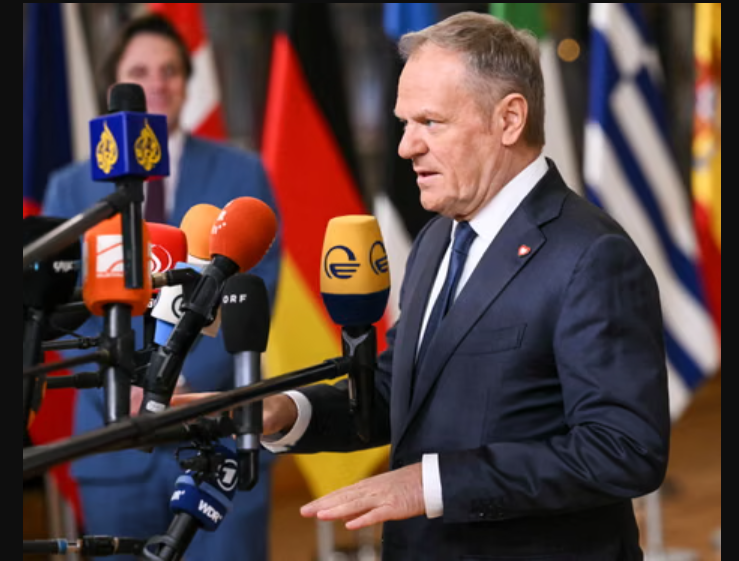
EU leaders arriving at the summit stressed the urgency of reaching an agreement. Many warned that failure would weaken Europe’s credibility. Some also highlighted the need to project strength amid global scrutiny.
Poland’s prime minister framed the choice in stark terms during the discussions. He argued that delayed financial support could cost lives later. Other leaders echoed the sentiment, calling for decisive action.
Ukrainian President Volodymyr Zelensky addressed the summit directly. He urged leaders to approve the plan without delay. He argued that Russian assets should be used to defend against Russian aggression.
Belgium, however, has demanded clearer guarantees on risk sharing. Its government wants assurances that legal costs would be shared across the bloc. Negotiations on these safeguards continued throughout the summit.
Officials warned that Ukraine could run out of funding by mid-next year without EU support. Such a scenario could severely weaken Kyiv’s defence capabilities. EU leaders fear this would embolden further Russian aggression.
Alternative funding options were discussed but faced major political obstacles. Borrowing against the EU budget would require unanimous approval. Hungary has already indicated it would block such a move.
As a result, many diplomats described the frozen assets plan as the only viable option. Draft conclusions suggest leaders may approve the loan in principle. Technical details would then be finalised urgently by officials.
The final decision will shape Europe’s role in the conflict. It may also set a lasting precedent for handling frozen sovereign assets.
