

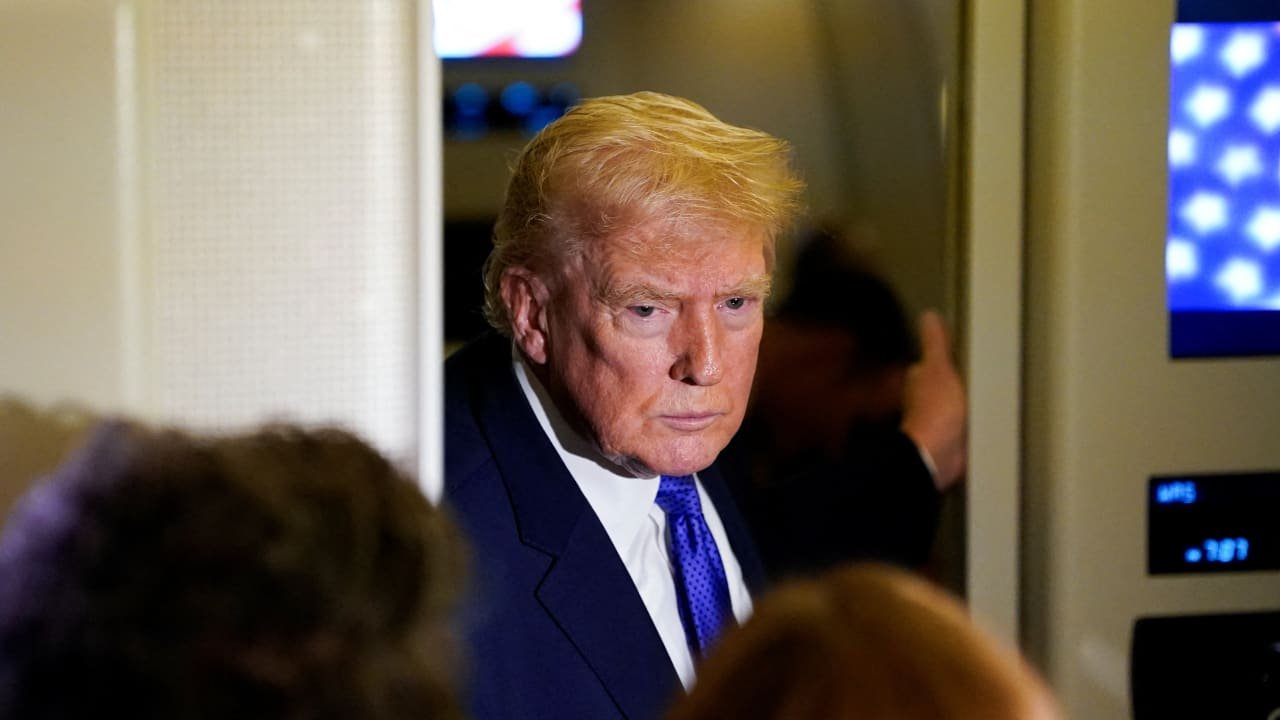

Donald J. Trump sharply criticized the Supreme Court of the United States after it struck down his use of emergency powers to impose tariffs.
In a 6–3 ruling, the court determined that the International Emergency Economic Powers Act did not authorize the president to impose sweeping tariffs. Consequently, the decision dealt a significant setback to Trump’s trade strategy.
The majority opinion stated that while IEEPA allows regulation of imports during emergencies, it does not explicitly permit tariff imposition. Therefore, the court emphasized that major economic measures require clear congressional approval.
Trump Calls Ruling “Disappointing” and “Ridiculous”
Responding to the verdict, Trump described the decision as “extremely disappointing” and “ridiculous.” However, he insisted that the ruling did not invalidate tariffs entirely.
He argued that the judgment only restricted his reliance on IEEPA. Moreover, he maintained that previously imposed tariffs remain in full force.
Trump claimed the decision limits his authority to charge even minimal duties. At the same time, he said broader trade restrictions remain permissible.
He alleged that political pressure influenced the court’s ruling. Furthermore, he suggested that the judgment unfairly curtailed executive power.
Immediate Shift to Section 122 Authority
Despite the setback, Trump announced immediate action. He said he would sign an executive order imposing a 10 percent global tariff under Section 122 of the Trade Act of 1974.
He explained that this provision allows temporary tariff measures to protect US interests. Therefore, the administration aims to bypass the legal barrier posed by IEEPA.
The 10 percent tariff will apply for approximately five months. During that period, investigations will assess fair and long-term tariff structures.
Trump said the duties would take effect within days. Additionally, he confirmed that national security tariffs under Section 301 remain in place.
Economic and Political Implications
Trump defended his tariff policy as vital for national security and economic leverage. He argued that tariffs strengthen the country’s global standing.
Moreover, he reiterated that trade pressure can deter conflicts. He referenced past tensions between Pakistan and India, claiming his policies helped reduce escalation risks.
Trump also mentioned remarks by Shehbaz Sharif during a Peace Board meeting. According to Trump, the Pakistani leader credited him with preventing wider conflict.
Meanwhile, the president asserted that foreign countries are celebrating the court’s decision. However, he warned that their optimism would be short-lived.
Broader Debate Over Executive Authority
The ruling has intensified debate over presidential powers in trade matters. On one hand, the court reaffirmed congressional oversight in major economic actions. On the other hand, the administration argues for flexibility during national emergencies.
Trump emphasized that alternative legal pathways remain available. Consequently, trade tensions may escalate if investigations lead to broader tariffs.
In conclusion, the Supreme Court decision reshaped the legal landscape for US tariff policy. Yet, Trump’s swift move to impose a 10 percent global tariff signals continued determination to pursue an assertive trade agenda.
