

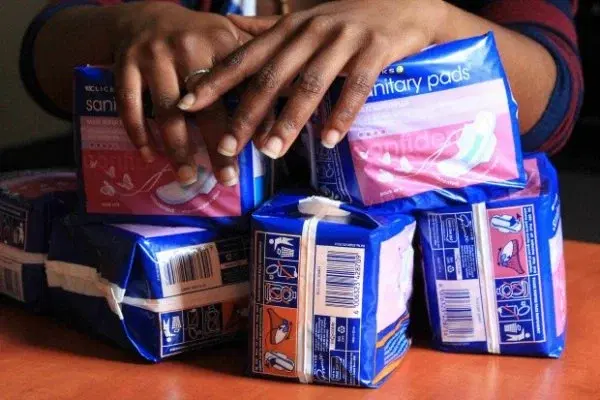

The Lahore High Court’s Rawalpindi Bench on Thursday dismissed the Federal Board of Revenue’s (FBR) objection to its jurisdiction in a petition challenging the nearly 40% taxes and duties imposed on sanitary pads across Pakistan.
The bench, comprising Justice Jawad Hassan and Justice Muhammad Raza Qureshi, ruled that the court has jurisdiction given the impact on millions of women in Punjab and the court’s mandate to hear matters affecting their rights.
The judges expressed displeasure over the failure of government departments to submit written responses and directed the federal government, the FBR chairman, the Ministry of Finance, and the National Commission for Human Rights to file clause-wise replies within two weeks. “Appropriate orders will be issued,” the bench stated.
The FBR had argued that the petition should be filed in the Islamabad High Court because the respondents included the Federation of Pakistan and the FBR. The court rejected this claim, affirming that the Rawalpindi Bench could hear the matter and ordered all respondents to submit written replies before the next hearing.
The petition, filed under Article 199 by 25-year-old lawyer Mah Noor Umar in public interest, contends that high taxation on sanitary pads discriminates against women. With women constituting nearly 48.5% of Pakistan’s population, the petition calls the tax a “punishment for being a woman” and seeks the removal of the so-called “period tax.”
Domestically produced sanitary pads are subject to 18% sales tax, while imported pads and raw materials face 25% customs duty, cumulatively inflating prices by around 40%, according to UNICEF Pakistan. With pads costing Rs. 450 per pack and the average monthly income at roughly $120, menstrual hygiene remains unaffordable for many.
The petition emphasizes that high costs harm women’s health, dignity, and education, particularly in a society where menstruation is stigmatized. It requests the abolition of taxes and duties on sanitary pads and calls for free distribution in schools, citing global examples from India, the UK, and Nepal. Petitioner’s counsel, Ahsan Jehangir Khan, said the case seeks to restore dignity to women, not just financial relief.
Research shows only 12% of Pakistani women use commercial sanitary pads, with most relying on unsafe alternatives, underscoring the urgency of making menstrual hygiene products accessible and affordable.
