

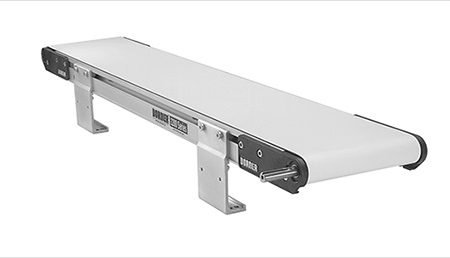

Pakistan’s conveyor belt industry continues to support critical sectors like food processing, cement, mining, and logistics, with a mix of local manufacturing and international suppliers meeting rising industrial demand.
Key Conveyor Belt Types in Pakistan
Industries across the country rely on specialized conveyor systems tailored to their operational needs:
Rubber Belts: Widely used in cement plants, power stations, and mining operations for bulk material transport such as coal, sand, and slag.
Food-Grade PU/PVC Belts: Essential for the food and beverage sector. High-quality belts, often imported from Europe and China, meet strict FDA and EU standards.
Steel Wire Mesh Belts: Designed for high-temperature applications like baking, drying, and sterilizing.
Modular & Roller Systems: Ideal for packaging, warehousing, and assembly lines due to flexibility and ease of maintenance.
Leading Manufacturers and Suppliers
Several companies are driving the growth of the conveyor belt market in Pakistan:
Gujrat Steel: Specializes in hygienic steel and roller conveyor solutions for logistics and manufacturing.
Al-Haq Traders: Major supplier of imported PU/PVC food-grade belts and heavy-duty rubber belts.
Afzal Belting: Offers a wide range of modular and industrial belts certified by international standards.
Pervaiz Mill Store: Supplies conveyor systems for steel, power, and fertilizer plants.
Emerging Industrial Solutions Pakistan (EISP): Provides custom-built automated conveyor systems and maintenance services.
Market Pricing and Availability
Pricing for conveyor belts varies based on type, ply, and jointing requirements:
Industrial Belts: Quoted per meter with specifications such as 2, 3, or 4-ply construction and hot or cold joints.
Small-Scale Kits: Pre-assembled electric conveyor belts for small-scale or educational use are available from Rs. 20,000 to Rs. 40,000.
Industry Outlook
The conveyor belt sector in Pakistan is expected to grow steadily in 2025, driven by industrial expansion and increased demand in food processing, cement, and mining sectors. Experts highlight the importance of investing in high-quality imported belts for specialized applications, particularly in food safety and high-temperature processes.
Conclusion:
With local manufacturers improving their offerings and international suppliers filling niche requirements, Pakistan’s conveyor belt industry is poised to remain a crucial component of the country’s industrial infrastructure in 2025 and beyond.
