

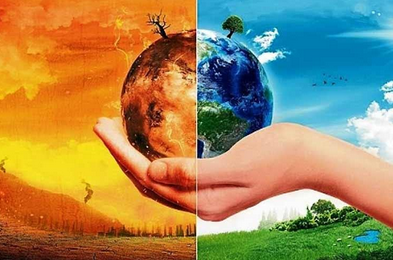

Climate Change in Pakistan: Causes, Effects, and What Can Be Done
Climate change is no longer a distant threat — it’s a present-day crisis, especially for vulnerable countries like Pakistan. Ranked among the top ten most climate-affected nations by the Global Climate Risk Index, Pakistan is already facing the devastating consequences of environmental neglect and global warming.
🔥 What Is Causing Climate Change in Pakistan?
Climate change is driven globally by greenhouse gas emissions, but Pakistan has its unique set of contributors, including:
1. Deforestation
Pakistan has one of the highest deforestation rates in Asia. Forest cover has fallen drastically due to urbanization, illegal logging, and lack of reforestation efforts.
2. Rapid Urbanization and Industrialization
Unregulated construction, vehicle emissions, and industrial waste are worsening air and water pollution, particularly in cities like Lahore and Karachi.
3. Agricultural Practices
Traditional irrigation and excessive use of chemical fertilizers are contributing to methane and nitrous oxide emissions, which are potent greenhouse gases.
4. Energy Sector Emissions
With a high dependency on fossil fuels, the energy sector remains a leading source of CO₂ emissions in Pakistan.
🌊 How Climate Change Is Affecting Pakistan
Pakistan is facing multiple climate-induced challenges, many of which are life-threatening and economically destructive:
1. Glacial Melting and Water Scarcity
The Hindu Kush-Himalayan region, home to many of Pakistan’s glaciers, is melting rapidly. This leads to glacial lake outburst floods (GLOFs) and threatens the long-term availability of freshwater.
2. Extreme Weather Events
In recent years, Pakistan has seen:
-
Devastating floods (like those in 2022)
-
Heatwaves touching 50°C in cities like Jacobabad
-
Droughts in Balochistan and Tharparkar
These events lead to crop failure, food insecurity, and mass displacement.
3. Rising Sea Levels
Coastal areas such as Karachi face coastal erosion and saltwater intrusion, putting livelihoods and infrastructure at risk.
4. Health Impacts
Climate change has increased the spread of vector-borne diseases like dengue and malaria, and worsened air quality, causing respiratory issues.
✅ What Can Be Done to Combat Climate Change in Pakistan?
Fighting climate change requires a collective, multi-sectoral approach involving government, citizens, and international partners.
1. Afforestation and Reforestation
Initiatives like The Billion Tree Tsunami need to be scaled and monitored for long-term impact.
2. Transition to Renewable Energy
Pakistan must invest more in solar, wind, and hydropower to reduce its reliance on fossil fuels.
3. Sustainable Urban Planning
Cities need better public transport systems, green spaces, and waste management to lower urban emissions.
4. Water Conservation and Management
Promoting drip irrigation, building small dams, and fixing water leakage can help preserve water resources.
5. Climate Education and Community Awareness
Public awareness campaigns should promote eco-friendly habits, like reducing plastic use and conserving electricity.
6. Stronger Climate Policies and International Cooperation
Pakistan should strengthen implementation of its National Climate Change Policy and seek climate finance from international bodies like the Green Climate Fund.
